
Discover Cieleśnica
Accommodation in Cieleśnica
Cieleśnica offers a wealth of cultural history: the museum is in the village, while the landscape park of the palace ensemble and a former manor farm are nearby. To get your bearings, it is worth considering the museum visit, the historic garden and the farm buildings as distinct subjects.
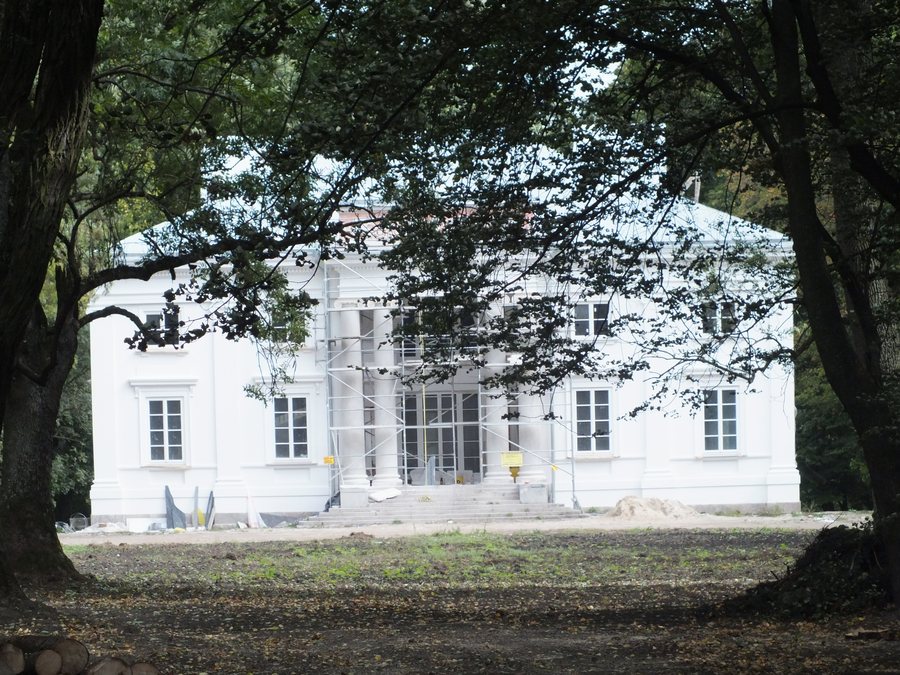
Cieleśnica at a glance
- The landscape park of the palace ensemble dates from the early 19th century; its original design included lawn parterres and ponds.
- Old ash trees, black pines and oaks, as well as an acacia avenue, have been preserved in the park.
- South of the park, nearby, is the former manor farm, with a distillery dating from the third quarter of the 19th century and a granary from the early 20th century.
- The Muzeum Fabryka Wódek i Likierów Cieleśnica is located in Cieleśnica.
What historical traces can be found nearby?
The former manor farm lies south of the park of the palace ensemble. Its surviving buildings include a distillery dating from the third quarter of the 19th century and a granary from the early 20th century. The different dates place the two buildings in separate periods.
The types of buildings also provide a point of reference: a distillery is associated with distilling, while a granary is for storage. If you are interested in historic agricultural buildings, you can compare their functions with their respective ages. The manor farm thus offers a different perspective on the area from the park, whose history is shaped primarily by its original design.
How can you understand the park landscape?
The landscape park dates from the early 19th century. Its original design included large lawn parterres in front of the front and garden sides of the palace, as well as a system of ponds. A parterre is a designed garden area; here, “lawn” describes its surface. The layout therefore extended along both sides of the palace and included ponds as well as lawns.
The park also retains old ash trees, black pines and oaks, as well as an acacia avenue. These trees and the historic design answer different questions: the lawn parterres and ponds describe the original layout, while the tree species and avenue identify surviving features of the park landscape. When exploring the palace ensemble, you can distinguish between the former layout and the trees that remain today.
What should you know about cultural visits and accommodation?
The museum is located in Cieleśnica and is called Muzeum Fabryka Wódek i Likierów Cieleśnica. As a subject in its own right, it complements the park and manor farm with a connection to vodka and liqueurs. Treat a possible museum visit as a separate item on your itinerary rather than automatically equating the museum with the buildings of the former manor farm. Check the museum’s current visitor information before setting a firm date.
If you are looking for a hotel in Cieleśnica, compare the specific location of an option with your planned focus. The cultural and historical subjects described above can help you decide what you would like to make the focus of your stay.
Discover more destinations: Horbów, Solinki, Mokrany Nowe, Małaszewicze, Kukuryki, Meseritz, Grabanów, Gnojno.
FAQ
Where is the former manor farm located?
It lies south of the park of the palace ensemble, near Cieleśnica. Its surviving buildings include a distillery and a granary.
Which trees have been preserved in the landscape park?
Old ash trees, black pines and oaks, as well as an acacia avenue, have been preserved in the park.
How do the park and manor farm differ historically?
The park dates from the early 19th century. The manor farm’s distillery dates from the third quarter of the 19th century, while the granary dates from the early 20th century.
To the main travel overview: Bialski.

