
Otwock: River Landscape, Cycling Routes and Culture
Accommodation in Otwock
Anyone looking for a hotel in Otwock can weigh up nature trails, cycling routes, cultural attractions and rail connections as different priorities when planning a trip.
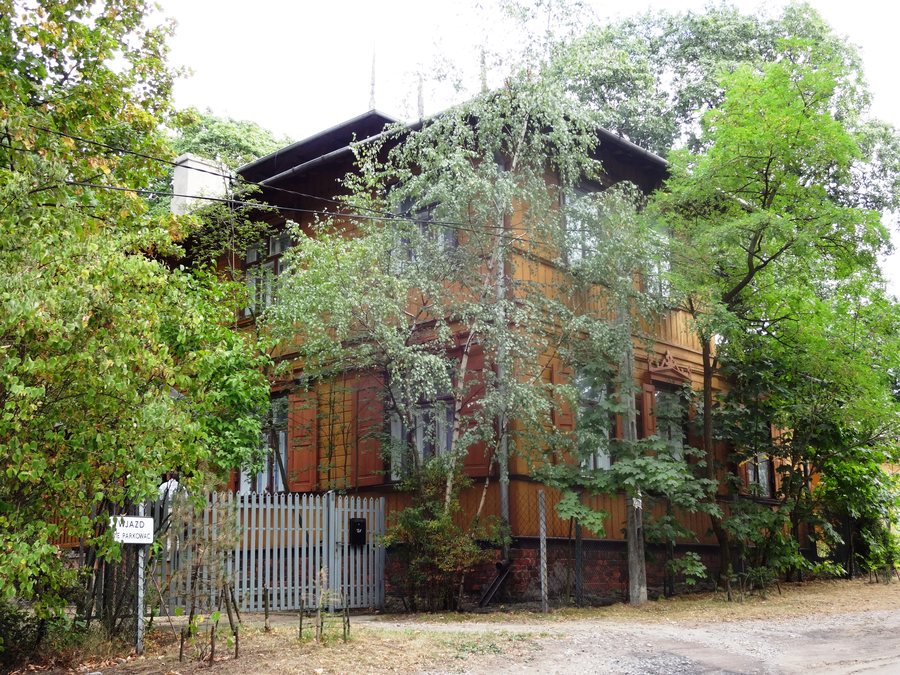
Otwock at a glance
- Otwock is in central Poland, in the Masovian Voivodeship, about 25 kilometres southeast of Warsaw.
- Velo Otwock covers almost 70 kilometres across five cycling routes.
- The city park and the Świder combine recreational spaces with seasonal opportunities for swimming and sports.
- Electric trains run from three stations in Otwock towards Warsaw, Pilawa and Dęblin; check the current timetables before travelling.
What nature and cycling routes define Otwock?
Otwock lies on the left bank of the Świder, near its confluence with the Vistula, amid the pine forests of the Masovian Landscape Park. This setting makes the river landscape and forest central themes for planning a trip. The protected stretches of river in the Świder Valley include 41 kilometres of the middle and lower Świder and five kilometres of the lower Mienia. The protection aims to preserve the rivers’ natural character, including their gorges, meanders and waterfalls, as well as the riverside vegetation and the diverse aquatic and wetland fauna.
Velo Otwock covers almost 70 kilometres across five cycling routes: Nadświdrzański, Letniskowy, Kolejowy, Sosnowy and Alpejski. Running along dune hills and the Świder’s meanders, the network passes through sandy escarpments, meadows, pine forests and dense riverside forests. Visitors may encounter songbirds, deer, hares and even moose in the pine forests. For a route that includes longer stretches alongside the river, consider the Świderski Szlak Wilegiatury Andriollego, which is suitable for walkers and cyclists. The section from Wolimontowice to Bojarów is marked on the ground with white and blue signs.
What do the city park and the Świder offer visitors?
The public city park is in central Otwock and covers approximately 8.1 hectares. It surrounds the former casino, which now houses the K. I. Gałczyński General Secondary School. As a tourist attraction, the park serves recreational, aesthetic and health-related purposes. The combination of a centrally located green space and the river area reveals Otwock’s different sides.
The municipal bathing beach is on the Świder, in an area characterised by pine forests. Its offer is seasonal: it provides opportunities for summer swimming and sports. If you want to include this riverside area in your trip, bear in mind its seasonal nature.
Where can you see Otwock’s history?
The Szlak Willi Otwockich begins at Otwock railway station and runs through a part of the present-day town that developed from the 1880s until the outbreak of the Second World War. Timber architecture is also part of the cultural character of Otwock and its surroundings. It is considered exceptional by Masovian standards and developed in a narrowly defined area along the Nadwiślańska Railway, with Otwock as its centre.
The Muzeum Ziemi Otwockiej moved to its present-day villa on the edge of Soplicowo in 1996. Its collection includes several thousand exhibits, ranging from Palaeolithic finds to objects from recent years. The museum organises lectures, concerts, slide shows and gatherings for people interested in Otwock’s history. Specific programme items may vary. A visit to the museum can therefore be a cultural highlight in its own right, alongside the town’s architecture and trails.
What role does the railway play in planning a trip?
A historic railway station is located in the town centre. Its building, constructed around 1910, has served for years as the main hub of local transport. Electric trains operated by Szybka Kolej Miejska and Koleje Mazowieckie run seven days a week from Otwock, Świder and Śródborów stations to Warsaw, Pilawa and Dęblin. Routes and timetables may change, so check the current connections before travelling.
When looking for a hotel in Otwock, you can start by considering which themes you want your stay to focus on: rail connections, cycling routes, river landscapes or culture.
Discover more destinations: Otwock, Karczew, Sobienie Jeziory, Józefów, Glinianka, Wola Ducka, Nowe Kościeliska, Osieck, Zakręt, Sobienie Szlacheckie, Wiązowna Kościelna, Otwock Wielki, Wiązowna, Lipowo, Otwock Mały.
FAQ
What cycling routes are there in Otwock?
Velo Otwock covers almost 70 kilometres across five routes: Nadświdrzański, Letniskowy, Kolejowy, Sosnowy and Alpejski. The Świderski Szlak Wilegiatury Andriollego is suitable for walkers and cyclists and follows longer stretches of the Świder.
What does the Szlak Willi Otwockich show?
The route passes through the part of present-day Otwock that developed from the 1880s until the outbreak of the Second World War. It begins at Otwock railway station.
What train connections are available from Otwock?
Electric trains operated by Szybka Kolej Miejska and Koleje Mazowieckie run from Otwock, Świder and Śródborów to Warsaw, Pilawa and Dęblin. As routes and timetables may change, check the current connections before travelling.
Is the bathing beach on the Świder open all year round?
It provides opportunities for summer swimming and sports, making it a seasonal offer.
To the overview of the wider region: Masovia.

