
Ponor in the Southern Apuseni
Accommodation in Ponor
Ponor is located in the Southern Apuseni Mountains. The higher ridges north and south of Ponor, including the Munții Metaliferi and Munții Trascău, feature subalpine vegetation at elevations of 950 to 1,130 metres.
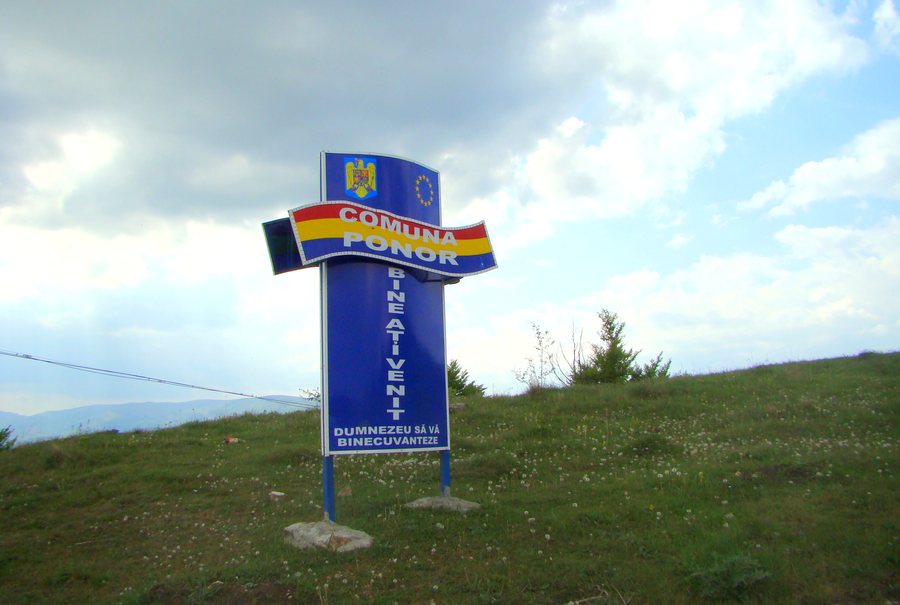
Landscape
The terrain of Ponor commune is relatively highly dissected; the slopes of the adjacent valleys frequently reach 30 to 35 degrees. Ponor’s communal meadows cover 867 hectares, including 64 hectares of wooded pasture known as “Corn”. The fauna characteristic of beech forests in Ponor includes brown bear, wolf, wild boar, roe deer, badger, marten, hare, squirrel and fox.
For planning purposes, you can consider the natural environment, cultural sites, cuisine and active pursuits separately. This arrangement keeps different interests clearly organised side by side.
Nature and Trails
The DJ 107I Aiud–Ponor–Mogoș road runs through Râmeț, Valea Poienii and Ponor to the Vânătările Ponorului Nature Reserve. The nearby nature reserve includes the 25-metre-high Cascada Dâlbina waterfall.
The nearby Cheile Geogelului is a geological nature reserve of national importance, covering an area of 5 hectares within Ponor’s administrative territory, near the village of După Deal. The easiest access is via the DJ 107I, the Transapuseana, to the village of După Deal.
When comparing hotels in Ponor, you can check travel dates, room category and cancellation policies side by side on the respective offer page. This information helps you clearly compare the financial and organisational framework of a stay, while the landscape, culture and cuisine independently form the destination’s thematic highlights.
Culture
The traditional men’s costume in Ponor consists of a long white shirt with black Romanian embroidery, close-fitting trousers and a black silk waistcoat. The traditional women’s costume consists of a white blouse and white skirt components, an embroidered waistcoat, a fabric belt and a headscarf.
Until 1965, a historical wedding tradition in Ponor involved decorating a 25- to 30-metre-long fir pole and all the wedding guests travelling on horseback to the church. During the traditional Colindat, groups appear as Crai, Stea and Turcă; some of the older boys travel around with one or two musicians.
The wooden church “Sfinții Arhangheli Mihail și Gavriil” in nearby Geogel dates from 1751 and is a historic monument. The “Sfântul Nectarie” Monastery can be reached via the DJ 750C from the direction of Teiuș–Stremț–Râmeț; the route then continues through Cheile Râmețului, Brădești and Ponor.
Regional Cuisine
Traditional dishes in Ponor include Balmoș with green salad, sausages, smoked bacon and boiled eggs.
Further destinations: Lancrăm, Vințu de Jos, Pianu De Jos, Sălciua De Sus, Gârda De Sus, Vadu Moților, Ighiu and Șugag.
Climbing
The nearby Cheile Geogelului has a sport climbing sector in the Piatra Nicaia area with more than 50 routes.
For the broader travel overview: Alba.

