
Săliștea: Culture, Churches and Landscape
Accommodation in Săliștea
Săliștea can be understood through a cultural and historical perspective that places everyday culture, religious buildings and places of remembrance side by side. The Săliştea ethnographic exhibition presents traditional furniture, ceramics, historical photographs, musical instruments and folk costumes. The different groups of objects allow for an objective approach through objects, visual sources, music and clothing.
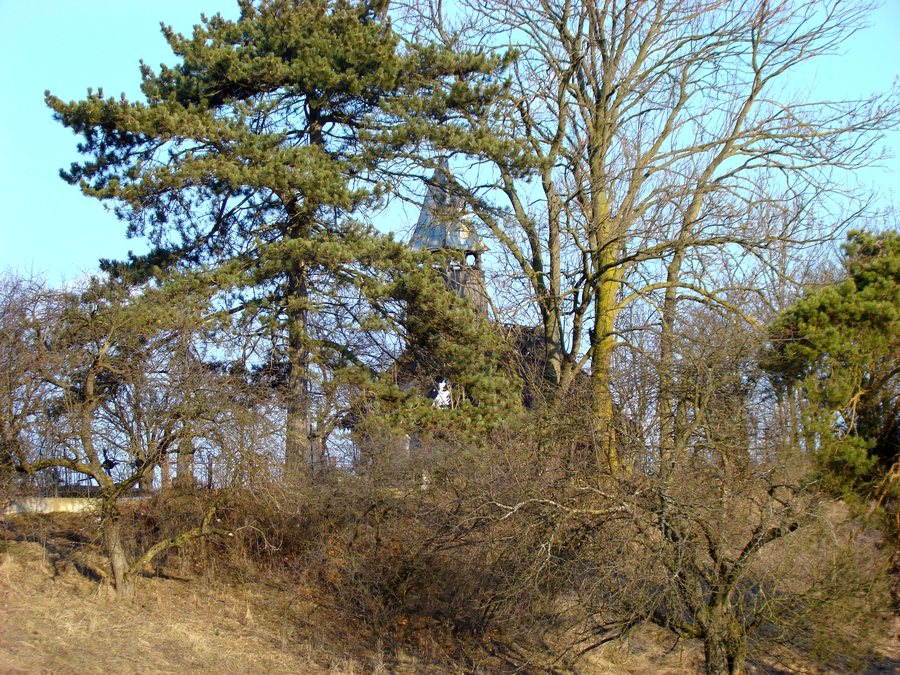 File:Biserica de lemn din Săliștea Veche (1).jpg
Photo: Țetcu Mircea Rareș via Wikimedia Commons, CC BY-SA 4.0
File:Biserica de lemn din Săliștea Veche (1).jpg
Photo: Țetcu Mircea Rareș via Wikimedia Commons, CC BY-SA 4.0
The compilation ranges from individual exhibition objects to buildings and places with clearly dated histories. Furniture, ceramics, photographs, instruments and costumes offer a different approach from the construction dates 1798 and 1908 to 1909. The memorial house, chapel, former residence and Tărtăria monument supplement this perspective with biographical aspects, the social past and an archaeological connection to remembrance.
Culture and Religious History
The Orthodox Church of “Nașterea Maicii Domnului” in Săliștea was built between 1908 and 1909. On November 25, 1931, it hosted the final part of the proceedings of the congress of the Asociației “Andrei Șaguna” of the clergy of the Metropolis of Transylvania, the Banat, Crișana and Maramureș. Those who consider ecclesiastical architecture and institutional history together encounter two different levels of the subject here.
The wooden church of “Sf. Arhangheli Mihail şi Gavriil” was built in 1798 and contains elements from the former Afteia hermitage in Plăișorul Cioarei and the former church of Archișul Românesc. November 8 is given as a religious feast day for this wooden church.
The churches therefore differ in terms of architectural form, chronological context and historical connection. Together with the exhibition, memorial sites and monument, they create a structure based on material objects, religious places and connections to remembrance, without equating these forms of cultural testimony.
Places of Remembrance and Historical Testimony
The Capela Libertăţii was built in 1930 as a memorial to ancestors who had been serfs of the Barcsay and Gluk families. The David-Prodan Memorial House is the house where the academician David Prodan was born and spent his childhood. The former residence of the Barcsay family is a historic stone-and-brick building in the centre of Săliștea. The monument to the “Tăbliţele de la Tărtăria” was erected in 2002 to mark the area where the clay tablets were discovered.
Further destinations in the same broader area include Pianu De Jos, Brăzești, Blaj, Vadu Moților, Mesentea, Pleși, Arieşeni and Poiana Aiudului.
Surrounding Landscape
Afteia Monastery and the Afteia hermitage are located in the village of Mărgineni at an elevation of approximately 600 metres in a picturesque natural setting. Dealul Pleşilor mountain lies in the broader regional surroundings of Săliștea. Dealul Pleşeioara mountain is also located in the broader regional surroundings of Săliștea. Dealul Draşovului hill lies in the broader regional surroundings of Săliștea. Dealul Uroiului hill is likewise located in the broader regional surroundings of Săliștea.
The landscape descriptions distinguish between the specific location of Mărgineni, with its approximate elevation, and four elevations in the broader regional surroundings of Săliștea. Thus, the monastery and hermitage stand as separate geographical points of reference from the mountains and hills.
For the broader travel overview: Alba.

.jpg)