
Blaj: Culture, History and Nature
Accommodation in Blaj
Blaj stands out for a place where a precisely identified historical moment and a visible ensemble of monuments come together—an introduction for visitors who want to experience culture in a tangible way. Câmpia Libertăţii was the site of the Great National Assembly of 3/15 May 1848. At this assembly, around 40,000 Romanians called out: “Noi vrem să ne unim cu țara!”
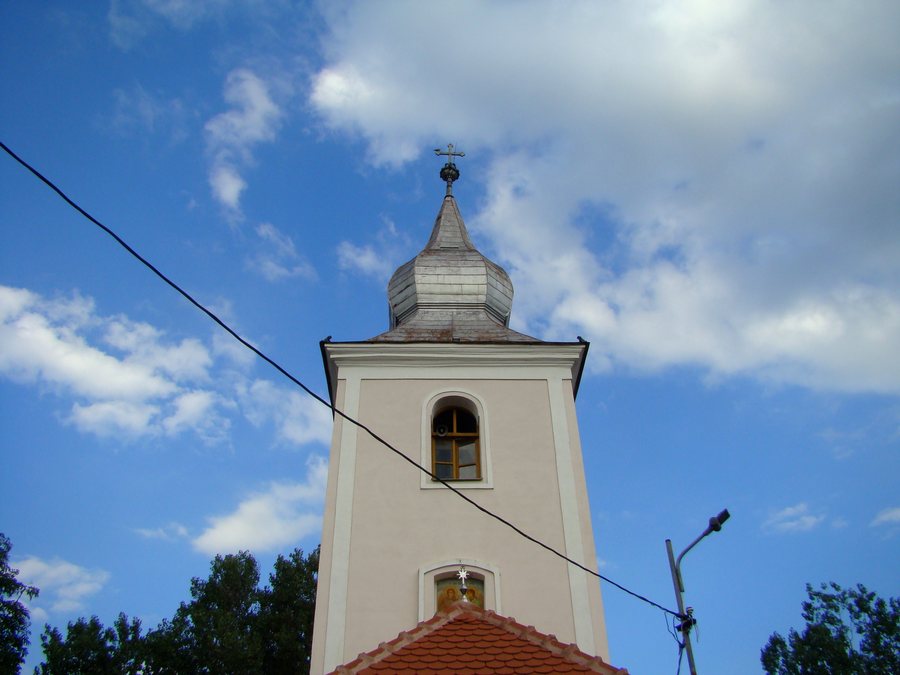 File:Biserica Grecilor din Blaj 2023 (7).jpg
Photo: Țetcu Mircea Rareș via Wikimedia Commons, CC BY-SA 4.0
File:Biserica Grecilor din Blaj 2023 (7).jpg
Photo: Țetcu Mircea Rareș via Wikimedia Commons, CC BY-SA 4.0
Culture
At Câmpia Libertăţii, visitors can see a monumental complex with 24 bronze busts of figures from the 1848 Revolution. The pulpit of Catedrala Sfânta Treime was used by Simion Bărnuţiu for a speech before the Great National Assembly of 1848.
The Augustin Bunea History Museum contains an old wooden printing press used to print the New Testament in Alba Iulia in 1648. The museum primarily displays archaeological objects discovered around Blaj from the Neolithic period, especially ceramics. Dacian objects from the 5th to the 1st century BC are also exhibited. Visitors who prefer to explore historical topics through concrete exhibits rather than dates will find several clearly distinct points of reference here.
The former “Sfanta Terime” monastery complex in Blaj was built between 1731 and 1747. The former Central Archiepiscopal Library in Blaj housed a library with more than 70,000 volumes and almost 1,000 old manuscripts. The two former institutions complement the historical sites with architectural and educational history.
Routes
The Ruta Unităţii Naţionale 1848 – 1918 – 1922 begins in Blaj and leads through Sântimbru, Alba Iulia, Zlatna, Abrud, Câmpeni, and Avram Iancu. It is approximately 135 kilometres long. The approximate length and the sequence of place names provide two separate points of reference for planning your own route.
Nature
Avram-Iancu Park offers green space for walks and outdoor activities. The park has old trees, colourful flowers, and shady paths. The description combines its use as a green space with specific elements of the park landscape.
The Botanica school garden in Blaj was founded in 1881. Teiul lui Eminescu is designated as a natural monument. Culture, the route, and nature can be considered as different focal points when planning.
The content also differs in form. Some information relates to a single place or individual object, while other information concerns a sequence of several places. For your own travel planning, these levels can be considered separately: culture and history provide named sites and exhibits, the route forms an independent spatial connection, and the nature topics represent green space, a garden, and a natural monument. Depending on the available time frame, the focal points can be addressed individually or combined.
With different interests, the focal points can also be weighted separately. History, the route, and nature do not have to be covered in the same order; they can stand as independent topics alongside one another. This creates a clear structure for planning each day without specifying a particular duration or fixed programme.
More pages about places: Vadu Moților, Sohodol, Jidvei, Câmpeni, Rimetea, Pianu De Sus, Brăzești and Alba Iulia.
To the higher-level travel overview: Alba.

.jpg)