
Straja – Landscape, Churches and History
Accommodation in Straja
Landscape and History
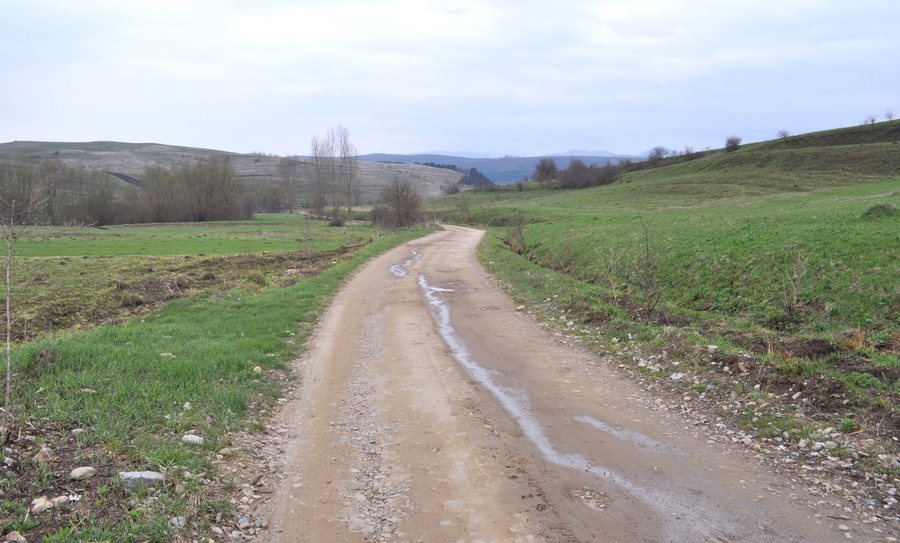
Straja has been documented in historical records since 1274. The slopes between Berghin and Straja are predominantly gentle and exceed 20 degrees only in isolated places. The terrain around Straja includes marl, sands, sandy marl, conglomerates, sandstone and brightly colored marly clays, among other materials.
 File:RO CJ Biserica de lemn din Straja (1).jpg
Photo: Țetcu Mircea Rareș via Wikimedia Commons, CC BY-SA 4.0
File:RO CJ Biserica de lemn din Straja (1).jpg
Photo: Țetcu Mircea Rareș via Wikimedia Commons, CC BY-SA 4.0
Those who wish to consider landscape and history separately can first read about the landforms and then about the historical references. The gentle slopes describe the shape of the terrain, while the various materials identify the geological composition of the area.
Culture and Historical Figures
Straja's cultural profile brings together churches, biographical information and a historical event. The Greek Catholic priest and historian Zenovie Pâclișanu was born on May 1, 1886, in Straja, Alba County. Ștefan Manciulea was born on December 6, 1894, in Straja, Alba County.
Ștefan Manciulea is also specifically associated with the Great National Assembly of December 1, 1918, in Alba Iulia. Together with teachers and priests from Straja, Hăpria, Dumitra, Henig, Berghin, Ghirbom and Totoi, he prepared the peasants for the Great National Assembly and organized the delegations' journey.
Buildings in the village are also part of this subject area. Straja has an Orthodox church. The church Biserica Sf. Treime is also located in Straja. For personal trip planning, such historical topics can be distinguished by location, biography and event.
Churches in the Wider Regional Area
Mânăstirea Cergău Mic is a monastery in the wider regional area around Straja. Biserica Cimitir Cergău Mic is a church in the wider regional area around Straja. Biserica Ortodoxă Cergău Mic is an Orthodox church in the wider regional area around Straja. Biserica Sfinţii Arhangheli is a church in the wider regional area around Straja.
The four names add different ecclesiastical designations to the location reference. When planning, you can therefore distinguish between the buildings directly in Straja and those in the named places in the wider regional area, without equating the two areas.
Nature and Landforms
Dealul Draşovului is a hill in the vicinity of Straja. Dealul Ungureiului is also a hill in the vicinity of Straja. Dealul Bozului is another hill in the vicinity of Straja. Dealul Pleşilor is a mountain in the wider regional area around Straja.
The various designations give the landscape a clear gradation: Some of the elevations mentioned are in the vicinity, while another is assigned to the wider regional area around Straja. This distinction helps to read the landscape information as spatially separate.
More Destinations
More destinations include Poiana Aiudului, Alba Iulia, Pleșcuța, Pianu De Sus, Mesentea, Sălciua de Jos, Laz and Ighiu.
Route near Straja
A described Via Transilvanica route near Straja passes a monument with three Via Transilvanica markings.
For the higher-level travel overview: Alba.

.jpg)