
Bughea de Jos: Ciocanu Monastery and Ciocanu Hill
Accommodation in Bughea de Jos
Mănăstirea Ciocanu is located in the municipality of Bughea de Jos in Argeș County. It has been documented since 1547, when it was founded by villagers from Malu. The foundation stone for the newer church was laid in 1994.
Nature and Landscape
Bughea de Jos lies in the north of Argeș County, in the Subcarpathian zone of the Southern Carpathians and on the left bank of the Bughea River. At 886 metres, Dealul Ciocanu defines the elevation of Bughea de Jos.
The hills are predominantly covered with deciduous and coniferous forests, along with meadows and orchards. The municipality’s wildlife, typical of hilly landscapes, includes hares, foxes, wolves, and bears, among other species.
Riverbanks, elevation data, and different landscape features provide concrete reference points for planning your own day. You can consider nature, cultural history, and routes as separate topics instead of basing your choice of destination solely on a single activity.
Culture and History
Bughea de Jos has been documented as a village since 1549. Schitul Ciocanu dates from the 17th century and was rebuilt in 1825.
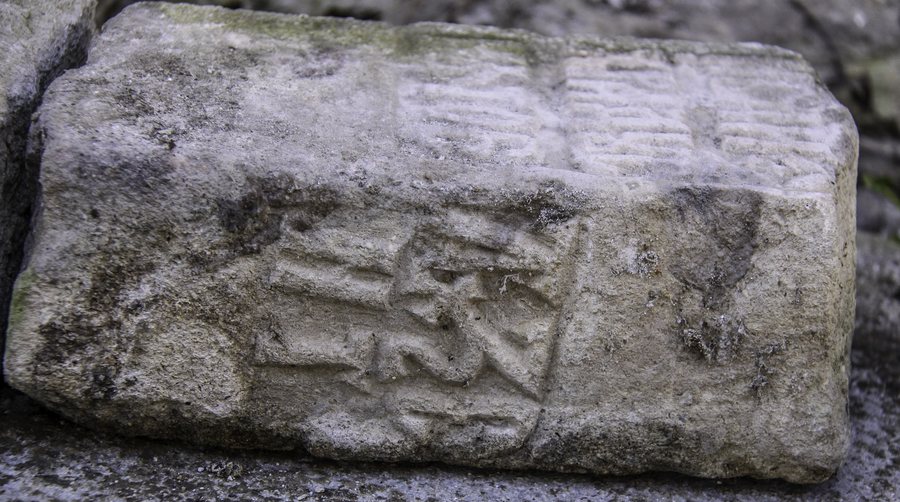
The Schitul Ciocanu complex includes the wooden church “Intrarea în Biserică” from 1825. Another historic landmark is the stone cross opposite the Amzică Ana house in the Hulubești area; it dates from 1757.
Mănăstirea Ciocanu has a newer church dedicated to “Sfinții Apostoli Petru și Pavel”. In 1992, the Ciocanu site was converted from a skete into a monastery.
The Muzeul Sătesc Bughea de Jos is a local cultural institution. Historic local crafts included leatherworking, woodworking, and the production of “pâslari”.
Customs
“Focul lui Sumedru” is a dated tradition: it marks the beginning of the pastoral year and is lit on the night of October 25 to 26.
For choosing a hotel in Bughea de Jos, travel dates, room category, prices, and cancellation conditions provide practical comparison data. Alongside these are local details about the monastery’s history, the hilly landscape, routes, and the dated tradition; this makes it possible to consider the objective accommodation data and the different themes of the destination separately and organise them clearly for your own travel planning.
Getting Around
Rail access to Bughea de Jos is via Câmpulung. The cycling community from Câmpulung has created cycling routes on Dealul Ciocanu.
The DJ732C county road runs through the area around Bughea de Jos; it leads east towards Câmpulung and southwest towards Godeni and Schitu Golești. Râpa Șoimului is considered a hiking area. The information about the cycling routes, county road, and hiking area describes different ways to explore the surroundings in separate day trips, without presupposing a shared route or a fixed itinerary.
More local pages: Bradu, Oarja, Budeasa Mare, Valea Hotarului, Mioveni, Vlădești, Lunca Corbului, Bălilești.
To the higher-level travel overview: Argeş.

