
Poşta Câlnău between Pottery Tradition and Regional Landscape
Accommodation in Poşta Câlnău
Poşta Câlnău offers several specific starting points for planning your trip: cultural topics, a connection to a local event, and a landscape setting defined at different geographical scales.
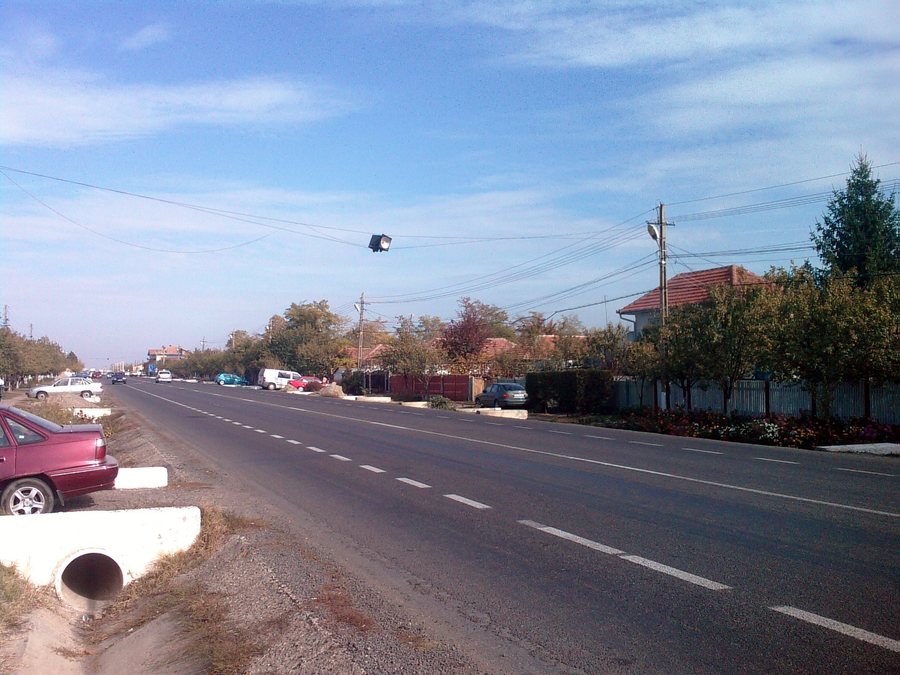
Poşta Câlnău was among the best-known traditional pottery centers in Buzău County. The pottery tradition in Poşta Câlnău was associated with an exceptional clay vein. Together, these two aspects give the place a clear connection to historic craftsmanship and regional raw materials. For travelers who want to understand culture not only through major attractions but also through established local activities, this creates a distinct way of approaching the destination.
At the “Zilele Dovleacului” event, only local producers were represented. The local focus is therefore an essential part of the event’s character. No timeframe for the event can be inferred from this; for your planning, the connection with local producers remains the main relevant aspect.
What cultural points of interest does Poşta Câlnău offer?
The pottery history is suitable as a cultural focus for visitors interested in traditional skills, materials, and regional history. The emphasis is not on an abstract buzzword, but on Poşta Câlnău’s specific connection with a well-known pottery center in Buzău County and an exceptional clay vein. Couples can use this focus as a calm topic of conversation during their shared trip, while families can accommodate different interests within the same cultural theme.
For your travel decision, it is also helpful to consider the historic craft tradition and local event topics separately. Pottery points to a cultural influence dating further back, while “Zilele Dovleacului” sets its own tone through the exclusively local group of producers. This creates not a uniform, overstated impression, but a differentiated picture consisting of craftsmanship and regional everyday life.
What defines the connection with the local event?
“Zilele Dovleacului” represents an event setting in which only local producers were represented. For you, this aspect may be more important when choosing a travel theme than a generally worded reference to folklore or regional culture.
The historic craft aspect and the focus on local producers address different questions: one concerns the cultural development of the place, while the other concerns the regional orientation of a specific event. This distinction helps you formulate realistic expectations for a stay and determine the appropriate emphasis for your trip.
How can you organize the topics for planning your trip?
A useful initial classification leads from cultural history to specific local connections. You can first decide whether the pottery tradition or the local character of the event is your main interest. You can then consider the importance that religious sites and landscape names have in your personal planning. This sequence is not a fixed route, but one way to keep the various topics clearly separate.
This thematic separation is also useful when choosing accommodation. Anyone considering a hotel or another type of accommodation for a stay in Poşta Câlnău can first determine the desired focus: cultural history, regional producers, or geographical orientation in the surrounding area. This does not imply any specific statements about the location, distance, facilities, or availability of individual accommodations. The decision therefore depends on which verified topics offer you the greatest value as an experience.
What role do the geographical connections play in your orientation?
Some of these local references concern the immediate surroundings, while others relate to the wider regional area. This distinction is important for your planning because a regional connection should not be equated with a location directly in the village.
For regional classification, you can also consult the local pages for Măgura, Valea Sălciilor and Chiojdu. In addition, Sarata-Monteoru, Berca, Buzău, Cozieni and Cislău offer further regional points of reference for your orientation.
FAQ
Which archaeological site lies on the western edge of Poşta Câlnău?
The archaeological excavation site “Situl arheologic de la Poşta Câlnău - Malul lui Ştefan Leu” lies on the western edge of the village of Poşta Câlnău. The geographical reference is therefore clearly limited to the western edge of the village.
Which Orthodox churches are located in the surrounding area?
The surrounding area of Poşta Câlnău includes the Orthodox church Biserica Ortodoxă Boboc, the Orthodox church Biserica Ortodoxă Scurteşti, the Orthodox church Biserica Ortodoxă Stănceşti, and the Orthodox church Biserica Ortodoxă Dâmbroca. For travelers interested in culture, they represent several distinct religious points of reference in the surrounding area.
Which hills are located in the surrounding area or the wider regional area?
The hills Dealul La Câmpuri and Dealul Racoviţeni are located in the surrounding area of Poşta Câlnău. The hills Movilă Briceag and Movilă Orzăneasca are located in the wider regional area. The different geographical ranges help you distinguish nearby local references from broader regional topics.
For the overarching travel overview: Buzau.

