
Buzau: Hotels and accommodations
Accommodation in Buzau
The Buzău Land UNESCO Global Geopark is located in the Carpathian arc and makes around 40 million years of geological development visible.
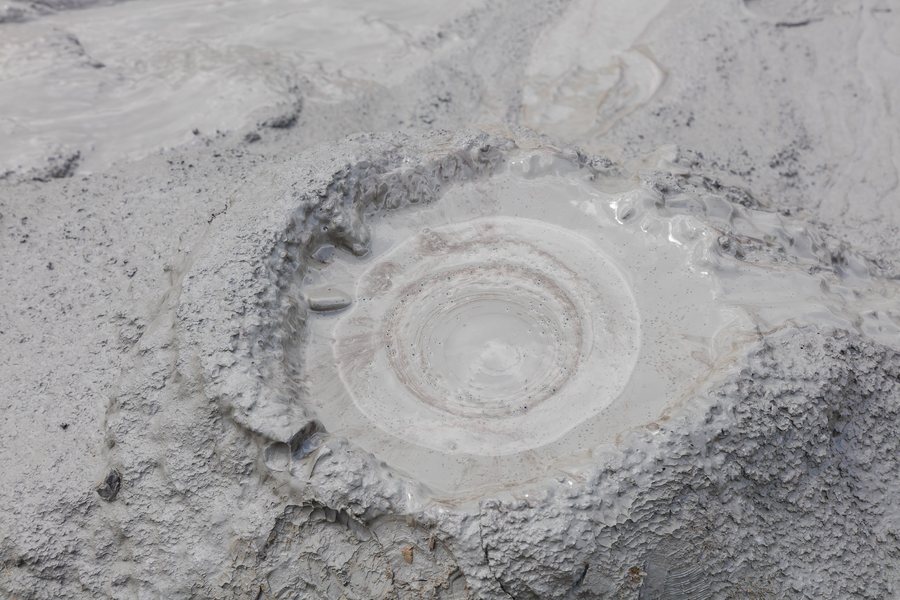 File:Volcanes de lodo, Buzau, Rumanía, 2016-05-29, DD 15.jpg
Photo: Diego Delso via Wikimedia Commons, CC BY-SA 4.0
File:Volcanes de lodo, Buzau, Rumanía, 2016-05-29, DD 15.jpg
Photo: Diego Delso via Wikimedia Commons, CC BY-SA 4.0
Finding or booking a hotel in Buzău can be part of travel planning.
Culture
The Muzeul de Arheologie, Istorie și Artă Buzău is housed in the former girls’ school building, which is classified as a historic monument. The permanent exhibitions opened in 1980–1981 and were subsequently updated several times, including in 1986, 1990, 1999–2001, 2004, and 2015–2017. The telephone collection of the Muzeul Județean Buzău comprises more than 300 Romanian and foreign telephone sets and presents the history of the telephone chronologically; it includes an Ericsson telephone set from 1898.
The Măgura Sculpture Camp comprises 256 sculptural groups and statues by 153 Romanian sculptors. It is located in clearings near Ciolanu Monastery in the area of the municipality of Tisău. In Năeni, the Biserica Dintr-o Piatră was built entirely from white Năeni limestone; the iconostasis, altar, surrounding walls, and interior furnishings are also carved from stone. It can be visited on Saturdays, Sundays, and religious holidays.
The proposed tourist route through the Nișcov Valley follows county road 100H through Vernești, Nișcov, Cârlomănești, Mierea, Grăjdana, Izvoranu, Leiculești, Haleș, and Tisău and can end at the “Fântâna lui Mihai Viteazul” monument in Măgura. The Casa Memorială “Vasile Voiculescu” in Pârscov reconstructs the writer’s family environment and presents aspects of his private and professional life in a thematically structured exhibition. The regional route “Drumul pietrei și al cramelor din județul Buzău” combines history, archaeology, religion, and local traditions with viticulture and winemaking to create an integrated visitor experience.
The Bucur and Margareta Chiriac Collection presents contemporary Romanian art together with folk art objects, including ceramics, wooden cutlery, masks, decorated eggs, and carved chairs. With its rich stone decoration, the Brâncovenesc Ensemble in Râmnicu Sărat is one of the defining monuments of the Brâncovenesc architectural style. The exhibition on the collection of Dumitru Dan documents a journey around the world begun on April 1, 1910, by Dumitru Dan and three other companions.
The “Timpul Omului” collection in Mânzălești is an ethnographic collection that symbolically interprets local life through stone, clay, and salt. The “Casa Timpului” collection in Valea Salciei, which is open to visitors, is housed in a farmhouse and comprises three rooms: a living room, an old bedroom, and a room with traditional tools. The building complex of Răteşti Monastery comprises two side wings and a central building with the “Sfântul Epifanie, arhiepiscopul Ciprului” chapel. The prehistoric caves of Năeni are more than 4,000 years old.
Nature
The mud volcanoes extend across the municipalities of Berca and Scorțoasa and form a landscape of badlands and volcanic cones that bring cold black mud to the surface. Access to the Vulcanii Noroioși is via DN 10 from Buzău to Brașov, as far as Sătuc in the municipality of Berca, and from there for another 20 kilometers.
The Bozioru trovants are sand deposits and layers of cemented sandstone in the Bălănesei Valley, approximately one kilometer from the village of Ulmet. The Colți geological reserve covers 2.52 hectares. Colți is the only place in Romania where organized amber mining was carried out. The Muzeul Chihlimbarului Colți contains amber nuggets, jewelry, tools for extracting and processing amber, mineral specimens, and paleofaunistic exhibits.
Activities
From the parking lot near the Bozioru trovants, visitors walk approximately 500 meters and then follow a stepped path through an alder grove to the “Babele de la Ulmet.” The Muzeul Formelor in Bozioru opened in 2018 and uses augmented reality to explain the formation of the trovants to visitors.
The moderately difficult rafting and kayaking route on the Buzău River begins at the Nehoiașu hydroelectric power station near the confluence of the Bâsca and Buzău, leads toward Nehoiu, and reaches the Valea Lupului area in the town of Pătârlagele; it includes fast-flowing and calm sections. Clubs and specialized instructors are available for the rafting and kayaking route; including the briefing, the trip can take 3 to 4 hours.
Further regional pages: Lopătari, Cozieni, Cislău, Mierea, Comuna Valea Râmnicului, Valea Sălciilor, Ciuta, Comuna Tisău, Odaile, Balta Alba, Buzău, C. A. Rosetti, Fântânele, Poşta Câlnău, Nehoiu, Măgura, Plaiu Nucului, Orașul Pătârlagele, Berca, Sarata-Monteoru, Chiojdu.
For the overarching travel overview: Romania.

