
Călăraşi: Danube, springs and regional customs
Accommodation in Călăraşi
Culture
Călărași combines the Danube riverbank and the plain with a local history connected to wells, a religious building and personal memories. Cișmeaua Alba was built in 1831 by Popa Stan Călărășanu from the former drawing well Fântâna Grecului. The church „Sf. Nicolae“ and „Adormirea Maicii Domnului“ in Călărași was built by Hagi Enuși between 1820 and 1833 using bricks. The Maria-Tănase Fountain was created in 1996 in connection with one of the singer Maria Tănase’s final wishes. Cișmeaua Alba is therefore associated both with the water supply and with a historic festive custom. The religious building, the fountain and the memory of Maria Tănase belong to different periods and bring together religious, everyday and personal associations. The three sites differ both in the period in which they originated and in the occasion with which they are associated.
Nature
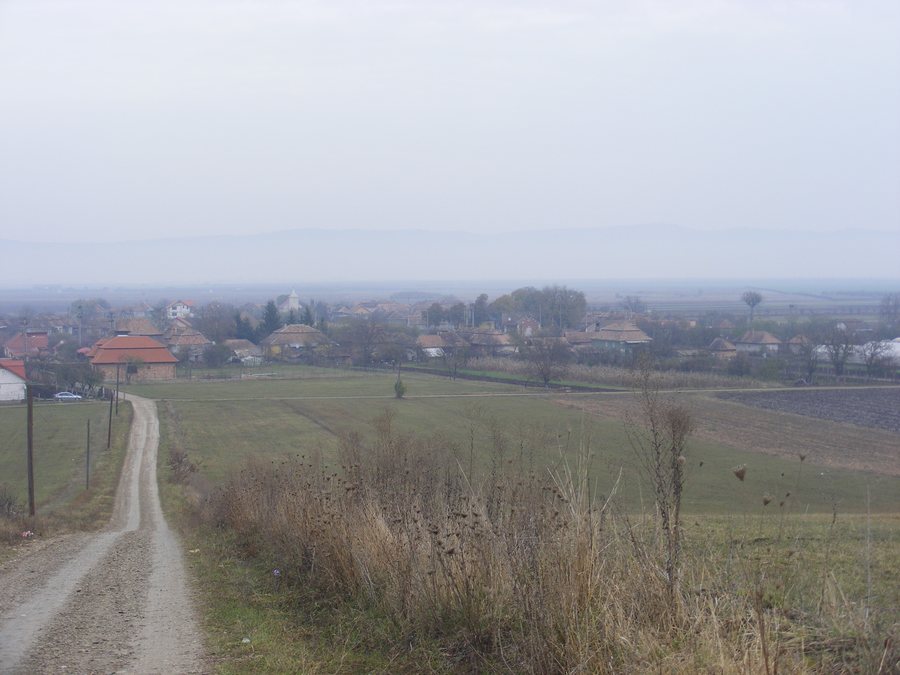
The municipality of Călărași lies as a border settlement on the left bank of the Danube. At the same time, it is located in the Romanați Plain, a lowland landscape shaped by sand dunes. The Fântâna cu 32 de guri spring is located in the Ascunsa area of the municipality. It is considered one of the strongest springs in the Oltenian Plain. The Danube riverbank, the sand-dune landscape and the spring form three specific landscape features within the municipality’s setting. The left bank of the Danube and the Romanați Plain represent different forms of the same landscape area: here the riverbank, there the sand-shaped lowland. The riverbank, sand dunes and spring thus represent three different natural forms: watercourse, lowland and spring area.
Further travel destinations: Bechet, Afumați, Podari, Craiova, Vârtop, Başcov, Calafat and Coţofenii Din Faţă.
Connections
National road DN 54A crosses the administrative area of the municipality of Călărași and connects Călărași with Corabia. This road connection complements the location on the river with a specifically named route across the municipal area. For journeys on national roads, current route conditions and traffic information should be checked before departure.
Customs
During the Hora de pomană for those who died young, a fir tree is decorated in Călărași with apples, sweets and handkerchiefs; the ritual is repeated for three consecutive years. In Călărași (Săpata), the ritual death-dance tradition Hora de pomană is observed on the first or second day of Easter. The Strigarea peste sat tradition is still practiced today in some localities in Dolj County, including Călărași.
Community
Another custom was dedicated to Saint Trifon. On 1 February according to the old calendar, the inhabitants of Călărași gathered at Cișmeaua Alba with wine and food to celebrate the fertility of the vineyards. This traditional celebration continued at least until after the First World War. The Municipality Day of the municipality of Călărași is associated with 21 May, the feast of Saints Constantine and Helena. The Trifon custom and the Municipality Day are tied to different religious references; one is associated with vineyards and a historic celebration, while the other is connected with the feast of Saints Constantine and Helena.
To the higher-level travel overview: Dolj.

