
Pielești: Village Museum, Folklore and Landscape
Accommodation in Pielești
Pielești leads from an inherited village culture to an open landscape of fields, valleys and hills. The village museum, archaeological sites, folklore events and the area's historical connection to the railway offer several clearly distinct ways to experience the place. For your planning, culture and landscape are therefore not interchangeable keywords placed side by side, but specific subject areas.
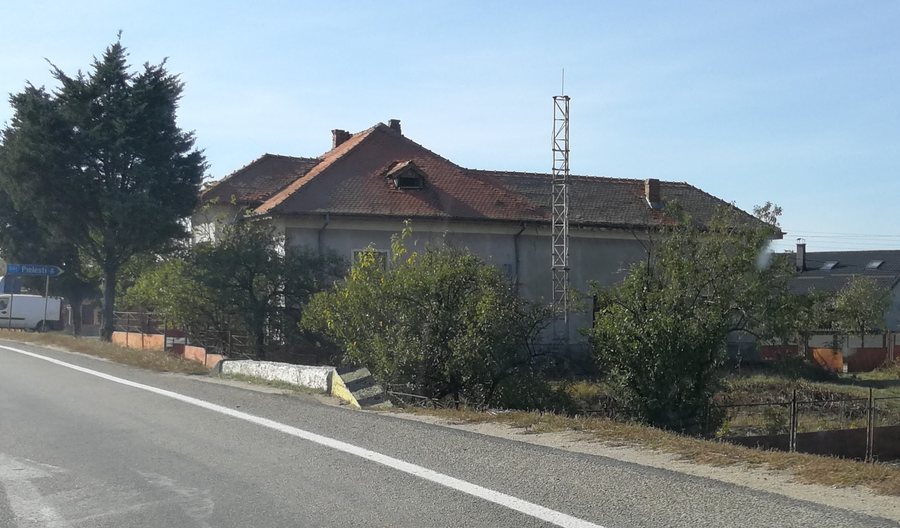
Culture and History
The area of today's Pielești commune was already inhabited in the Neolithic period, around 5000 BC. Archaeological sites are located within the commune, where objects from the Iron Age and the Neolithic period have been found. Pielești is among the communes identified in the greater Craiova area where elements of folk culture and folk tradition have been preserved.
The Pielești Village Museum is one of the five culturally and touristically significant destinations of the “History and Tradition in Dolj” project. It houses a traditional țest, as well as pots, jugs and bowls. The collection also includes traditional costumes, photographs, a cart and a traditional room beside a country road.
The “Alunelul” folklore ensemble belongs to the cultural center of Pielești commune; the cultural center was under construction at the time.
Festivals and Traditions
Local events in Pielești commune include the Festivalul Floriilor on Palm Sunday. The Festivalul Înfrăţirii prin Cântec şi Joc is associated with Câmpeni in Pielești commune. In 2012, the “Vara Pieleșteană” International Folklore Festival was considered an annual event held in Pielești around Pentecost.
Girls also took part in a staged Căluș performance by the group from Pielești in 2013. A Căluș group from Pielești took part in the Alaiul Călușului Oltenesc in Craiova in 2013. One edition of the “Doljul in Bucate” event took place at the Pielești Village Museum.
Landscape
Pielești commune has extensive fields separated by deep valleys. Within the commune's territory, hills 30 to 40 meters high form the riverbed of the Teslui. The Lacul Vlașca fishpond is a 10,000 m² site that is among the recreational areas of Pielești commune and was intended to be developed for tourism.
Local Areas
Parcul Central in the village of Pielești is designated as a local recreational area. The park contains a large flower display representing the name of Pielești commune.
Getting There and Location
Railway line 901 between Bucharest and Craiova passes through Pielești commune; the line entered service on January 5, 1875. Pielești railway station is located 2 km south of Pielești.
When comparing hotels in Pielești, you can review travel dates, room category and cancellation conditions side by side on the respective offer pages. This allows anyone considering different time periods to keep the same comparison points in view. These three factors can be compared independently of the cultural and landscape themes of the place.
More local pages: Afumați, Craiova, Bechet, Coţofenii Din Faţă, Podari, Başcov, Vârtop, Calafat
For the broader travel overview: Dolj.

