
Afumați: Cantacuzino Manor, Archaeology and Recreational Lakes
Accommodation in Afumați
Afumați draws attention to historic buildings, archaeological traces and waterside landscapes at the same time. The topics range from several centuries of history and a long-standing tradition to forest and lake areas.
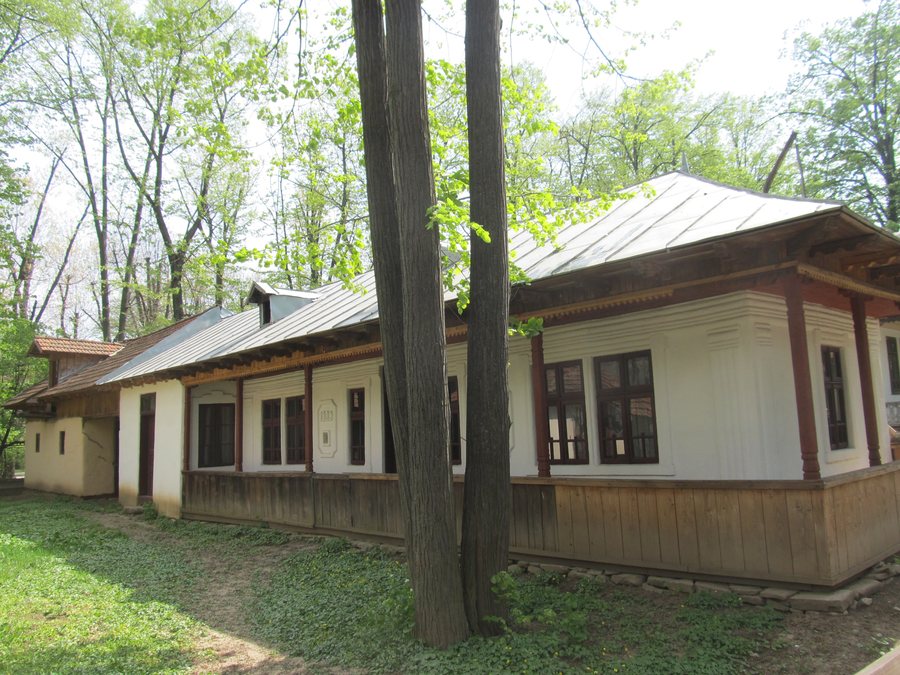 File:Gospodărie Afumați, Ilfov (Muzeul Satului).01.jpg
Photo: Nenea hartia via Wikimedia Commons, CC BY-SA 4.0
File:Gospodărie Afumați, Ilfov (Muzeul Satului).01.jpg
Photo: Nenea hartia via Wikimedia Commons, CC BY-SA 4.0
Those who first want to organize the historical topics can distinguish between the manor ensemble, church and archaeology; as for the landscapes, forest, river and lakes stand alongside one another as different points of reference. Such comparisons help with setting personal priorities without establishing a specific order.
When comparing a hotel in Afumați, first check the travel dates, room category and cancellation conditions on the respective offer pages. These three fields make differences between offers visible, while the choice of location can be assessed based on the culture, forest and water themes.
Culture and History
The former manor estate of Stolnicul Constantin Cantacuzino – later Baron Dumba – at 57–59 Strada Ștefănești in Afumați was built at the end of the 17th century and remodeled in the 19th century. The Cantacuzino Manor ensemble comprises the manor house, the “Adormirea Maicii Domnului” Church and the surrounding walls.
The “Adormirea Maicii Domnului” Church at 59 Strada Ștefănești was built in 1691 and remodeled in the 19th century. The former manor estate stands on the site of the older princely manor of Radu de la Afumați.
The archaeological evidence also covers several periods. The Afumați–La Moară archaeological site includes a Geto-Dacian settlement from the La Tène period and a Dacian-Roman settlement dating from the 3rd to the 4th century AD. The archaeological site at Pârâul Pasărea also includes a necropolis from the 15th and 16th centuries.
Another historical connection leads to the manor of the Dobrițoiu family, which originated in Afumați, was built in the 1920s and donated to the Muzeul Satului in 2011.
Nature and Water
The Pădurea peisagistică de la Afumați landscape forest covers approximately 300 hectares and is part of the Codrii Vlăsiei. The approximate size indicates a spacious natural area without specifying an exact boundary.
Pădurea Afumați forest consists of mixed stands of oak, beech, maple, black locust and linden. Thus, alongside the classification by area, the composition of the forest is also established as a distinct landscape aspect.
The recreational ponds along the Pasărea River are spread across the northwestern, central and southeastern parts of Afumați commune. Afumați’s tourist attractions include five recreational lakes. The different nature-related details can be compared for personal planning according to forest, river and lake themes.
Traditions and Visitor Experiences
Olelia, also called the “Fires of Afumați,” is a tradition passed down from generation to generation. Olelia takes place on Lăsata Secului, the last day before the beginning of the Easter fasting period.
Wine tastings for visitors are offered in the former wine cellar of the Cantacuzino Manor. Guided tours were offered at the Cantacuzino Manor starting in 2011.

.01.jpg)