
Islaz: Historical Sites and Danube Nature
Accommodation in Islaz
Culture and History
Islaz provides access to Romanian history through named places rather than just dates. At the centre is the monument commemorating the Adunarea de la Islaz. It is a protected historical monument in the centre of Islaz and is dated to 1969. Also in the centre is the Biserica Sf. Trei Ierarhi church, a protected historical monument dating from 1848.
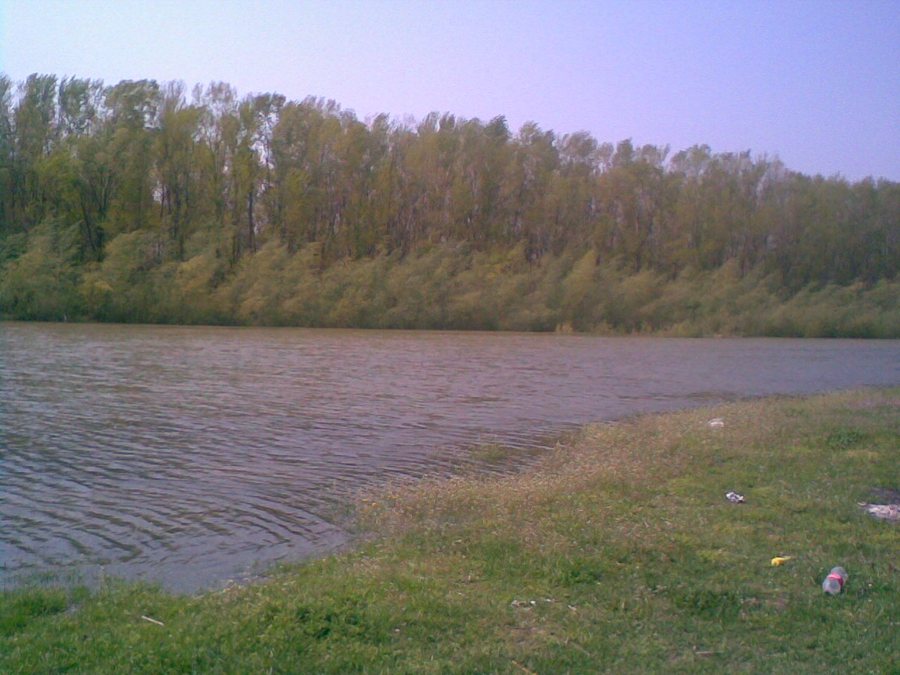 File:Comuna Islaz, Romania - panoramio.jpg
Photo: chilipirea tatiana via Wikimedia Commons, CC BY 3.0
File:Comuna Islaz, Romania - panoramio.jpg
Photo: chilipirea tatiana via Wikimedia Commons, CC BY 3.0
On the outskirts of Islaz towards the Danube stands Casa Toma Ghigeanu, a protected historic building at Strada Dunării 4 dating from the late 19th century. Casa Dumitru Găvănescu is located in the south of Islaz and is likewise a protected historic building from the mid-19th century. You can consider the different location details separately when comparing the historical sites.
Another archaeological trace leads to Castrul de la Islaz-Racoviţa: the site dates from the Roman era, lies below the old cemetery in the north-east of Islaz, and is dated to the 2nd to 3rd century AD. Castrul roman de la Islaz-Verdea lies south-south-east of Islaz on a terrace along the Danube.
Museum and Memorabilia
The Gheorghe-Zărafu Museum in Islaz is an informal museum set up in three barns in an apple orchard. The collection includes, among other things, paraffin and wick lamps, spinning wheels, distaffs, benches, clocks, lanterns, and radios. Two carriages, records by Romanian artists, and issues of the Femeia magazine from the 1970s are also on display. The combination of everyday objects, vehicles, music, and magazines can be read in the museum as a succession of different themes.
Revolution and Via Danubiana
The Adunarea de la Islaz marked the first major moment of the 1848 Revolution on 9/21 June 1848. On the same date, Ion Heliade Rădulescu read the Proclamation of Islaz in Islaz. The epaulettes of First Sergeant Florea Blejan can be seen in the Church of the Three Hierarchs; at the entrance, there is also a bronze wreath dedicated by Queen Elisabeth of Romania.
The approximately 110-kilometre section of the Via Danubiana in Teleorman County can be travelled on foot or by bicycle using a GPS track as well as signposts and markings. A Via Danubiana marker has been erected in front of the town hall in Islaz; initial route markings and information boards have also been installed along the route. The stated means of transport and orientation aids can be considered separately when planning your own trip.
Other Places
Nature Along the Olt and Danube
Near Islaz, the Olt flows into the Danube. In the area around Islaz, Calnovăț Island belongs to the protected natural area B10 – Ostrovul Mare, a nature reserve for flora and fauna. In the immediate vicinity of Islaz, colonies of pygmy cormorants, squacco herons, and ruddy shelducks gather on Calnovăț Island and the Danube islands.
For the higher-level travel overview: Teleorman.

