
Râmnicu Vâlcea – Museums, Monuments and Culture
Accommodation in Râmnicu Vâlcea
Râmnicu Vâlcea is located at the confluence of the two rivers Olănești and Olt. The Vâlcea County History Museum is housed in the building of the former “Școala cu ceas”, a 19th-century structure representative of the city.
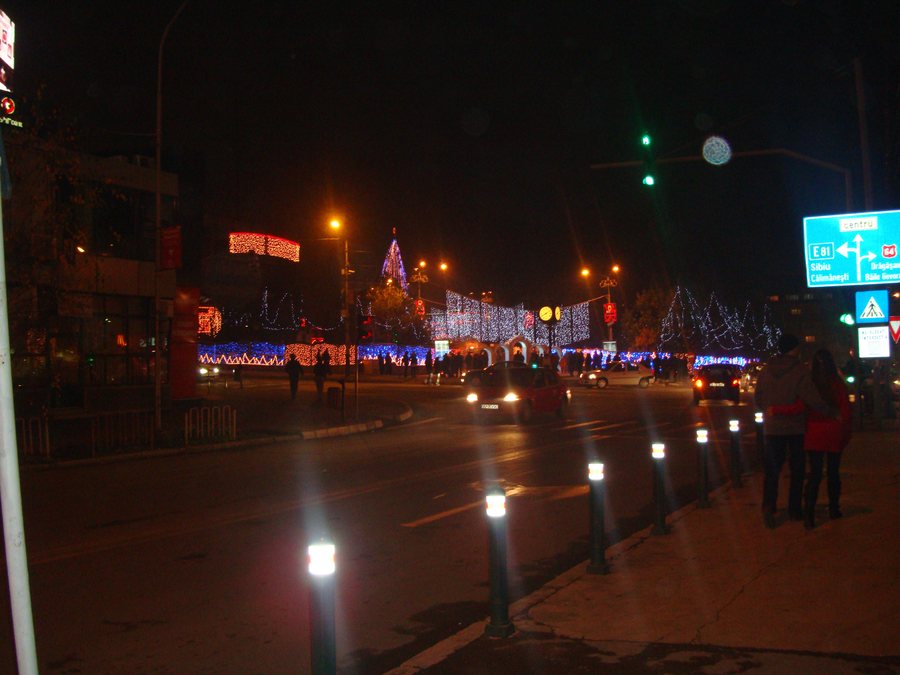 File:Centru, Râmnicu Vâlcea, Romania - panoramio (1).jpg
Photo: Akrep Scorpion via Wikimedia Commons, CC BY-SA 3.0
File:Centru, Râmnicu Vâlcea, Romania - panoramio (1).jpg
Photo: Akrep Scorpion via Wikimedia Commons, CC BY-SA 3.0
Culture and History
The Muzeul de Artă Casa Simian is located in a house built in 1940 in the Neo-Romanian style. Its permanent exhibition includes Romanian paintings and sculptures from the late 19th to the 20th century. The house also hosts annual exhibitions of contemporary painting and sculpture.
The Anton Pann Memorial House is an urban architectural monument dating from the mid-18th century, with a veranda and cellar. In the courtyard of the Biserica “Buna Vestire” stands the Crucea Mișeilor; it bears the monument-list code VL-III-m-B-09986 and is dated 1580. The Biserica “Buna Vestire” appears in the 2015 list of monuments for Vâlcea County under position 249 as a national historic monument with the code VL-II-m-A-09617; its dating is given as 1747 or the 18th century.
Cityscape and Open Spaces
Dealul Capela is considered a preferred recreation area for the residents of Râmnicu Vâlcea. A bobsled run almost 3.5 km long was built on the hill around 100 years ago. Parcul Zăvoi is the most important park in Râmnicu Vâlcea.
The Arhiepiscopia Râmnicului, with its complex of religious buildings, is associated with pilgrimages and spiritual retreat. The revolutionary marching song “Deșteaptă-te, române” was sung for the first time in Parcul Zăvoi on 29 July 1848. Anton Pann took part together with the city authorities in the ceremony for the consecration of the banners of national freedom following the new constitution.
Leisure and Events
The Baza de Agrement Ostroveni in Râmnicu Vâlcea comprises four swimming pools, including two saltwater pools. The two freshwater pools have a combined area of 4,240 m², while the two saltwater pools cover a combined area of 3,108 m².
The new home of the Teatrul Anton Pann comprises two theater halls, an open-air amphitheater, a rehearsal room, accommodation and a terrace in a modern and functional structure. Râmnicu Vâlcea hosts cultural events every year, including theater festivals, traditional markets and art exhibitions. The Grădina Zoologică din Râmnicu Vâlcea is suitable for visitors of all ages.
Regional Insights
The Muzeul Satului Vâlcean in Bujoreni, on the outskirts of the municipality of Râmnicu Vâlcea, preserves and displays traditional houses, farm buildings and various cultural assets. They reflect the culture, customs and activities of the inhabitants of Vâlcea County and the Oltenia region. The museum also presents traditional activities of farmers from Vâlcea, including woodworking and metalworking, weaving, pottery and beekeeping.
Getting There
Râmnicu Vâlcea is located on the Bucharest–Pitești–Râmnicu Vâlcea–Sibiu road corridor of DN 7.
Further destinations: Obârşia Lotrului, Horezu, Perişani, Baile Govora, Vaideeni, Marița, Câinenii Mici, Curăturile
For the higher-level travel overview: Vâlcea.

.jpg)