
Adjud between Churches, Museum and Cultural Events
Accommodation in Adjud
Adjud offers you several clearly distinct ways to approach a destination: Orthodox religious buildings, archaeological themes, a museum with a regional focus, cultural events and a Natura 2000 site. This allows you to view the city not only through a single interest, but also to plan your trip around culture, history and nature.
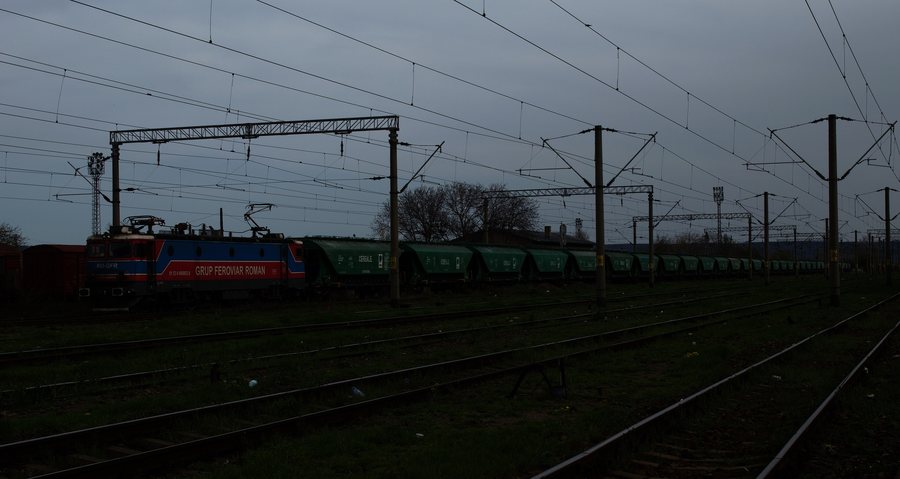 File:14.04.23 Adjud 400083 (52839527746).jpg
Photo: Phil Richards from London, UK via Wikimedia Commons, CC BY-SA 2.0
File:14.04.23 Adjud 400083 (52839527746).jpg
Photo: Phil Richards from London, UK via Wikimedia Commons, CC BY-SA 2.0
The Orthodox Church of “Buna Vestire” in Adjud is a monumental cruciform building. A large tower rises above the naos, while two small false towers are arranged above the gallery. The architecture thus gives you a concrete example of the religious character of the place and provides a clear focus for a culture-oriented exploration of Adjud.
The Church of “Buna Vestire” also features a new fresco. Its execution began in 2012 and was undertaken by the painter Armand Kutcha.
The Muzeul Vrancei – Secția Adjud presents archaeological discoveries, documents and information particularly about Adjud and Adjudu Vechi. Șișcani, Domnești Sat, Valea Domoșiței, the left bank of the Siret, as well as Lespezi, Homocea and Ploscuțeni are also central topics. The museum thus broadens the perspective beyond the city area to include several places and landscape references in the surrounding region.
The Casa de Cultură “Tudor Vornicu” in Adjud is a public institution. It carries out activities in the cultural sector that are of public interest. For your trip planning, this place is primarily relevant as part of Adjud’s cultural profile: In addition to individual buildings and museum topics, organized cultural work is also part of the city’s character.
What historical themes does Adjud offer?
In the northwest of the Municipality of Adjud, a Bronze Age settlement belonging to the Monteoru culture was identified.
Which cultural events shape the perspective on Adjud?
The “Ion Dichiseanu” Festival of Theatre, Film and Music returned to Adjud for its fifth edition. The combination of these three disciplines alone makes the festival a diverse cultural topic. When planning your trip, you can therefore also view Adjud from the perspective of contemporary theatre, film and music events and distinguish this focus from the historic churches and archaeological themes.
The “Tradiții și Obiceiuri Românești – Sărbătorile de iarnă” Festival-Contest took place on December 12, 2025, in its 14th edition. The title refers to Romanian traditions and winter customs; the specific edition forms part of a precisely dated event. Together with the “Ion Dichiseanu” Festival, this example shows that the cultural perspective on Adjud consists not only of buildings and museum topics, but also includes performances and competition formats.
The Casa de Cultură “Tudor Vornicu” and the festivals can be understood as different aspects of cultural life: The public institution represents cultural work of public interest, while the festivals combine specific formats involving theatre, film and music with Romanian traditions. This allows you, when preparing for a trip, to distinguish between permanently established cultural venues and individual events.
How can you combine culture, history and nature when planning your trip?
The Natura 2000 site ROSPA0071 Lunca Siretului Inferior covers the administrative area of Adjud. For a balanced trip plan, you can therefore consider whether, alongside churches, the museum and archaeology, the inclusion of the administrative area in this Natura 2000 site is also part of your focus.
When choosing a hotel in Adjud, you can use your personal interests as a practical starting point. Those interested in culture may compare how to incorporate the Church of “Buna Vestire”, the fresco, the Muzeul Vrancei – Secția Adjud and the Casa de Cultură “Tudor Vornicu” into their daily itinerary.
For comparing other places within the same overarching travel structure, you can also research Valea Neagră, Tulnici, Golești, Vidra, Vulcăneasa, Focşani, Nănești and Odobești.
FAQ
Which is the oldest place of worship in Adjud?
The Orthodox Church of “Sfântul Dumitru” is the oldest place of worship in Adjud.
When was the Church of “Sfântul Dumitru” built?
The Church of “Sfântul Dumitru” was built between 1880 and 1888.
Where is Adjud’s city museum located?
Adjud’s city museum is located on the E85 in the park near the library.
When was Adjud railway station inaugurated?
Adjud railway station was inaugurated on September 13, 1872.
To the overarching travel overview: Vrancea.

.jpg)