
Žalec: Hotels and Accommodation
Accommodation in Žalec
The municipality of Žalec lies in the heart of the Lower Savinja Valley, is considered the center of the region, and is the heart of hop growing and the brewing industry in Slovenia. The Green Gold Fountain commemorates Žalec’s rich hop-growing tradition and serves beer from Slovenian microbreweries.
When planning a trip to Žalec, you may wish to book a hotel in Žalec.
Geographical Setting
Žalec and the Lower Savinja Valley are surrounded by a ring of hills: the Dobrovlje Plateau to the west, the Zasavje Hills to the south, and the Ponikva Plateau to the north.
Nature
Vrbje Pond lies south of Žalec near the Savinja River in a protected area. A 3 km-long ecological educational trail leads around it and can be used in all four seasons. More than 170 bird species have been recorded at Vrbje Pond.
Pekel Cave has a well-secured path past numerous stalactite and stalagmite formations and side tunnels, leading to a 4 m-high underground waterfall on the Peklenščica stream.
The Kotečnik natural climbing area has more than 300 climbing routes with difficulty ratings from 4b to 8c. It is suitable for all seasons as well as for beginners and highly experienced climbers, and is also visited by mountain hikers.
Culture
The archaeological park of the Roman Necropolis in Šempeter is one of the most significant and best-preserved monuments from the Roman era in Slovenia and Central Europe. More than 100 family tombs have been excavated in the Roman Necropolis in Šempeter, including large tombs made of Pohorje marble with statues of the families buried inside.
The Savin House houses the memorial room of composer Risto Savin, the Jelica Žuža Gallery, and a gallery of artists from the Savinja region. Novo Celje Manor was built from 1756 to 1764 as a planned new center for the nobility of Celje.
The Church of Saint Cantianus was built during the Roman era and contains a painting of Saint Cantianus and his companions, the martyrs, painted by Valentin Metzinger in 1757. The Basilica of the Holy Mother of God in Petrovče is an important pilgrimage site. It contains the Plainer Altar from 1605, considered the oldest Slovenian wooden Renaissance altar.
Zotl’s Forge is a 16th-century building with contemporary vaults, cobblestone paving typical of the period, and a Gothic stone portal.
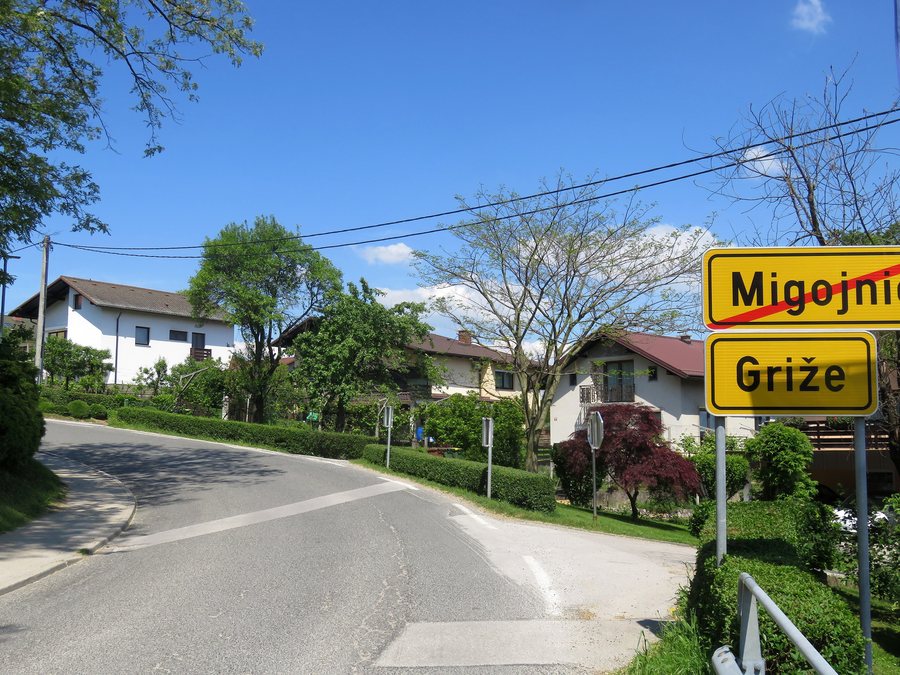
The Mining Museum in Griže features a permanent exhibition with historical documents and antiques from the Zabukovica–Liboje mining area. It can be visited by prior arrangement.
History
The Eco-Museum of Hop Growing and the Brewing Industry is located in a former hop-drying facility and has four floors with exhibitions on hop cultivation and processing. The defensive tower next to St. Nicholas Church was built at the beginning of the 16th century and is the only surviving part of the former fortified wall in this area.
The defensive tower houses a wine cellar with a selection of the best wines from the Savinja Valley, as well as a permanent ethnographic exhibition on tools and equipment used for viticulture and winemaking. At the defensive tower, the herb park showcases familiar plants traditionally used by Slovenians for culinary purposes. The medicinal and spice plant garden provides insights into the cultivation and use of plants.
Getting Around
The Savin’s Trail passes through twelve stations in the town and can be explored independently with a brochure or with a local guide. The traditional Hop Trail hike begins on the last Saturday in August at the Eco-Museum of Hop Growing and the Brewing Industry and follows a level route of approximately 14 km.
More local pages: Vransko, Žalec, Polzela, Prekopa, Petrovče, Braslovče, Prebold, Tabor
To the higher-level travel overview: Slovenia.

