
Sevastopol Naval Base: Port and History
Sevastopol lies on a deeply indented bay on the southwestern coast of Crimea. Its sheltered location made it an important port and naval center on the Black Sea. The city, civilian port, historic memorial sites and areas used by the military are treated as distinct in this overview.
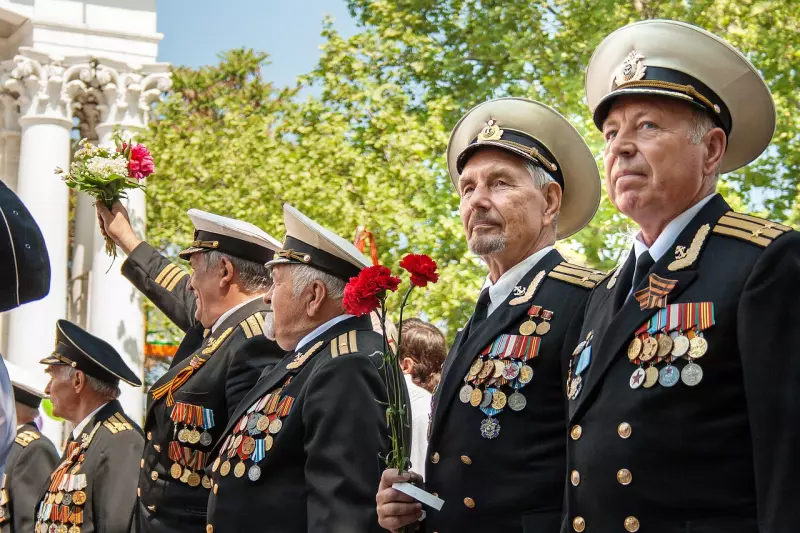 Veteranen auf dem Flottenstützpunkt Sewastopol
Photo: Svetlana_Novikova auf Pixabay.de
Veteranen auf dem Flottenstützpunkt Sewastopol
Photo: Svetlana_Novikova auf Pixabay.de
Quick facts: Sevastopol naval base
- Sevastopol lies on a deeply indented bay on the southwestern coast of Crimea.
- The modern Russian naval base was developed as a port and naval center from 1783 onward.
- The Crimean War, sieges and the battles of World War II have shaped the city’s historical memory.
- For a long time, Soviet authorities treated Sevastopol as a closed military city.
- Under international law, Sevastopol is part of Ukraine; Russia has controlled the city de facto since 2014.
- The port, military areas, historic sites and civilian attractions do not necessarily offer unrestricted access.
Establishment and development of the naval port
The modern naval base was developed from 1783 onward under Russian rule. The several bays provided space for port facilities, shipyards and vessels. The site’s history is therefore closely linked to the development of the city, although not every historic port area is publicly accessible today.
The Crimean War and the siege
During the Crimean War of 1853–1856, Sevastopol was besieged for many months. Fortifications, the scuttling of ships and the fighting shaped the city’s military history and memory. Claims about specific troops, figures and monuments are included only when supported by reliable sources; the siege does not imply any present-day right to visit.
Sevastopol in World War II
The battles of 1941 and 1942, as well as the recapture of the city in 1944, left further profound marks. Museums, monuments, cemeteries and remnants of fortifications can offer different perspectives on war and occupation. Historical memory and present-day military use are not the same thing.
The Soviet era and the closed military city
In the Soviet Union, Sevastopol was treated as a closed military city for a long time. The port and the Black Sea Fleet shaped employment, the cityscape and the city’s political significance. After the dissolution of the Soviet Union, state responsibilities and the naval base’s treaty status changed.
Ukraine, Russia and the international legal status
Under international law, Sevastopol is part of Ukraine. Russia has controlled the city and Crimea de facto since 2014. UN Resolution 68/262 on the territorial integrity of Ukraine documents the international legal position. Effective control, political self-description and international legal status should be considered separately.
For geographic and historical context, see the geographic overview of Sevastopol. Regional points of reference include Ukraine, Crimea and Sevastopol. Getting there and transportation and entry requirements and documents are practical considerations, but do not confirm that access is permitted.
Distinguishing the port city, military history and legal status
Sevastopol lies on a sheltered bay on the southwestern coast of Crimea. The geographic and historical overview of Sevastopol provides further context on the port. The city, the port used by the military and historic memorial sites are distinct areas and are not treated as a single freely accessible destination.
Establishment and development of the naval port
The modern naval base was developed from 1783 onward under Russian rule. Its location on several bays facilitated the construction of port facilities and shaped the city’s development. The history of the Black Sea region places Ukraine, Crimea and Sevastopol within a shared geographic context.
The Crimean War and the legacy of the sieges
During the Crimean War of 1853–1856, Sevastopol was besieged for many months. The fighting, fortifications and scuttling of ships are part of the city’s military history and memory. Historic memorial sites are distinct from current military installations; the city’s history does not imply any present-day right to visit.
Sevastopol in World War II
The battles of 1941 and 1942, as well as the recapture of the city in 1944, also left a profound mark on its history. Museums, monuments and cemeteries can offer different perspectives on war and occupation. Names, casualty figures and access information should be included only on the basis of reliable sources and up-to-date information.
The Soviet era and international status
In the Soviet Union, Sevastopol was a closed military city for a long time. Since the dissolution of the Soviet Union, the city has been part of Ukraine under international law. Russia has controlled Crimea de facto since 2014. UN Resolution 68/262 on the territorial integrity of Ukraine documents the international legal position; effective control and international legal status are not the same thing.
A decision about possible travel should not be based on historical descriptions of the port. Before making any plans, check the latest travel and safety advice for Ukraine, as well as entry requirements, insurance, payment options, communications and return arrangements. Getting there and transportation, entry requirements and documents, travel preparation, staying safe while traveling and travel checklist and timeline are practical resources only, not authorization to enter restricted or dangerous areas.
For historical context, it is also important to distinguish the port’s function from everyday life in the city. Shipyards, naval administration, residential neighborhoods, memorial sites and civilian waterfront areas did not all develop for the same purposes. Historical maps and accounts therefore each show only part of the picture. Looking at the city’s history without attempting to photograph or enter military exclusion zones allows for a more objective understanding.
FAQ about the Sevastopol naval base
Why is Sevastopol significant in military history?
The sheltered bay, the naval port developed from 1783 onward, the Crimean War and the battles of World War II have shaped the site’s history.
Is the naval base open to the public?
A port used by the military is not an ordinary museum. Access, restrictions and photography rules must not be inferred from historical descriptions.
What is the legal status of Crimea?
Under international law, Crimea and Sevastopol are part of Ukraine. Russia has controlled the area de facto since 2014. These two aspects should be considered separately when making legal and travel decisions.
Can you visit Sevastopol at present?
This cannot be answered on the basis of old travel accounts. Before making a decision, check the security situation, entry requirements, access, transportation and return arrangements against current official guidance.
