
Orsha in Belarus: the Dnieper, history, and travel planning
Orsha lies on the Dnieper River in the Vitebsk Region in northeastern Belarus. The city brings together its riverside setting, textile and machinery production, and an important railway hub. Its position between regional cities and long-distance routes makes it a potential stop with its own industrial and historical character.
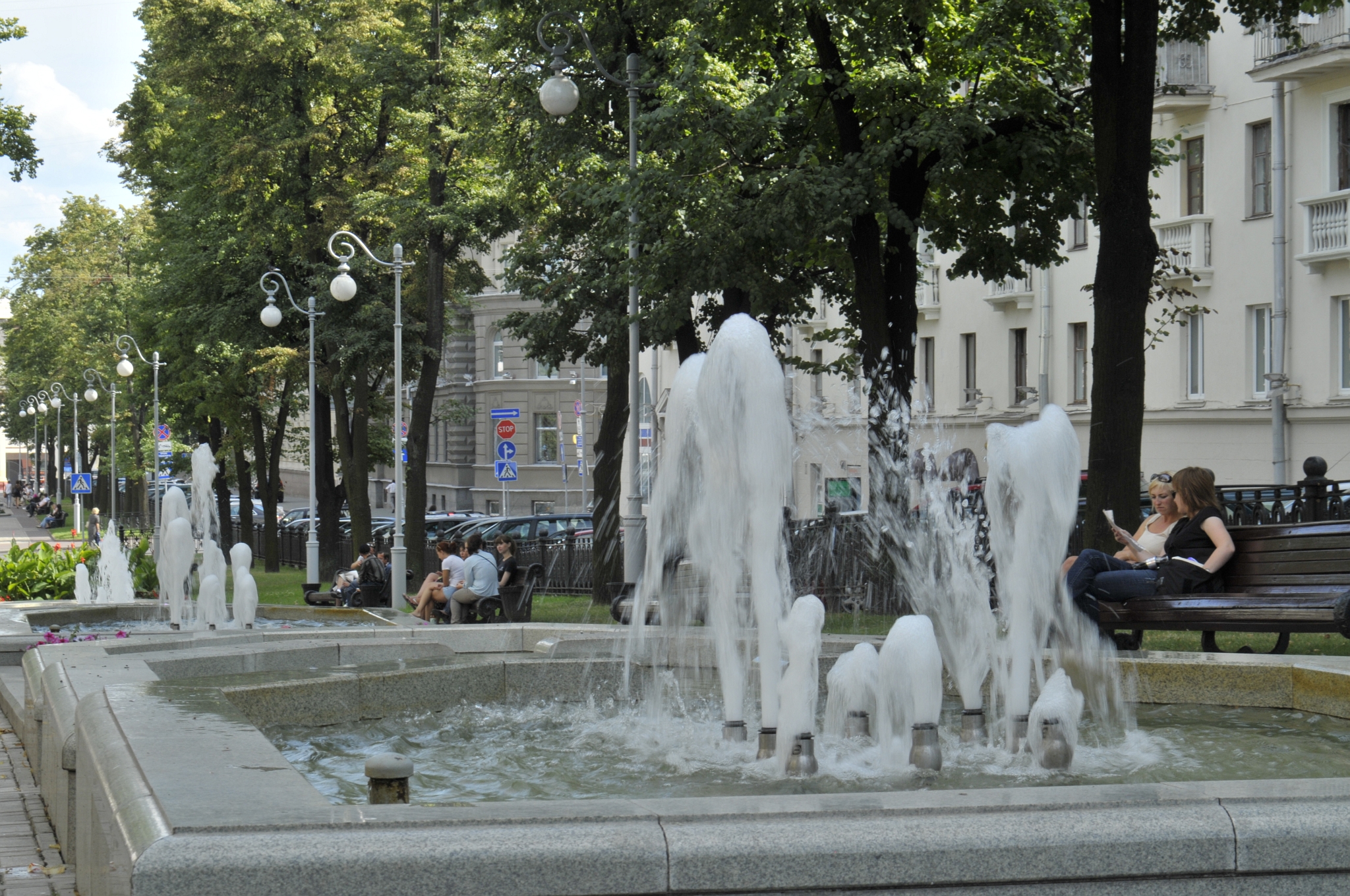 Städtischer Brunnen mit Fontänen und Sitzgelegenheiten
Photo: Alesia Belaya
Orsha at a glance
- Orsha lies on the Dnieper River in the Vitebsk Region.
- Orsha-Tsentralnaya passenger railway station offers regional and passenger train services.
- The Orsha Flax Mill represents the textile industry; local machinery manufacturers are another major industrial sector.
- The 1514 Battle of Orsha is part of the region’s history.
- Border and payment restrictions affect travel to the city and entry requirements.
The Dnieper setting and the city’s development
Orsha lies on the Dnieper River in the Vitebsk Region. Its riverside location and position on long-distance transport routes have helped shape the city’s character as an industrial site and transport hub.
The Battle of Orsha in 1514 links the city’s name to the history of eastern Europe. Today, textile and machinery businesses are central to its industrial development. The Orsha Flax Mill produces, among other things, table and bed linen, fabrics, and towels. Svitank manufactures children’s outerwear, while Krasny Borets builds grinding machines. These businesses represent different areas of the textile and machinery industries.
A visit can focus on the riverfront, the city’s history, and its present-day industries. As a city on the Dnieper, Orsha makes a distinctive stop in Belarus. Minsk and Vitebsk are separate destinations, each requiring its own stay planning. A trip to Minsk or Vitebsk is a distinct long-distance leg of the journey.
Passenger station and regional stops
Orsha-Tsentralnaya is the city’s passenger railway station. If you plan to travel to Orsha by train, arrange your arrival, onward journey, and return trip around the services running on your travel day. A journey through Belarus combines long-distance routes with local travel at your destination. Planning should cover both getting there and getting around and the relevant transport connections within the country.
If you travel via Minsk, Minsk railway station and the capital’s bus stations form a separate leg of the onward journey. For longer trips, Mogilev, Brest, and natural attractions in Belarus offer other regional highlights.
The hotels in Minsk are part of the capital-city leg. For an overnight stay in Orsha, choose accommodation based on its location, taking your arrival, travel around the city, and onward journey into account. On a multi-day trip through Belarus, Orsha can be planned as a distinct city and history stop.
Current entry and safety requirements
In general, EU banknotes may not be taken out of Belarus; there is a narrowly defined exception for personal needs. These nationwide conditions also apply when traveling to Orsha. Your personal entry and document requirements and the current situation regarding money and payments depend on your nationality and travel dates. For travel through Belarus, the applicable document rules remain decisive; they determine whether onward travel to Orsha is possible.
When traveling to Orsha, plan your specific connection, documents, and return trip within the same itinerary. Travel preparation, language and communication, and staying safe while traveling are practical parts of any stay; current routes and local rules determine the arrangements.
Frequently asked questions about Orsha
Where is Orsha?
The city lies on the Dnieper River in the Vitebsk Region in northeastern Belarus.
What role does the passenger railway station play?
Orsha-Tsentralnaya has separate timetable sections for regional and passenger services. Available trains and transfers depend on the current travel day.
Which industries shape the city?
Textile production and machinery manufacturing are among the city’s main industries. The flax mill and manufacturers of machinery and tools represent different areas of industrial production.
What does the Orsha Flax Mill produce?
The company produces table and bed linen, fabrics, towels, clothing, yarn, and other textile goods.
