
Dalmatia: Coast, Islands and Cities in Southern Croatia
Dalmatia stretches along Croatia’s Adriatic coast, linking historic cities, port towns, islands, bays and inland landscapes. The region is large enough that planning a trip based on individual destinations alone can quickly become complicated. First decide whether the focus is a single beach destination, a city break, an island-hopping route or a road trip. Only then can you sensibly plan travel times and excursions.
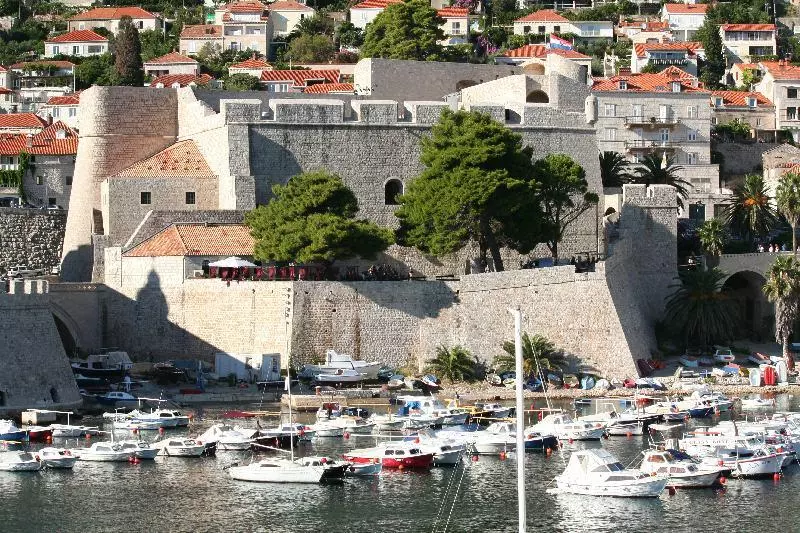 Blick auf den alten Hafen von Dubrovnik mit Booten vor den Stadtmauern.
Photo: Dago Wiedamann
Blick auf den alten Hafen von Dubrovnik mit Booten vor den Stadtmauern.
Photo: Dago Wiedamann
Quick facts: Dalmatia
- Dalmatia stretches along Croatia’s Adriatic coast, from northern Dalmatia to the Dubrovnik area.
- Split, Zadar and Dubrovnik each offer a different mix of history, harbor life and city atmosphere.
- Brač, Hvar, Mljet and other islands each require their own time planning, depending on the ferry port and accommodation.
- Pebble beaches, bays, old towns and mountain landscapes are often closer together than the actual travel times might suggest.
- Seasonal traffic, parking, ferry services, weather and accommodation locations can all affect the best order for your trip.
- Check timetables, access, conservation rules and current travel advice for your specific dates.
Cities on the Adriatic coast
Split is an important base for sightseeing and island connections. Diocletian’s Palace, the old town and the port are all part of a lively urban setting. Zadar offers a different focus, with its old town, waterfront location and access to excursions farther north. If you want to visit both cities, don’t judge the journey by distance alone: factor in parking, arrival time and how long you want to spend sightseeing.
Šibenik is a historic coastal city and a good base for nature and island destinations. Dubrovnik lies much farther south and deserves its own block of time because of its old town, traffic and crowds. A route from north to south can be rewarding, but it will be more manageable if you don’t fill every day with another long excursion.
Islands, ferries and beach destinations
The Dalmatian islands are not all alike. Hvar combines port towns and bays, Brač offers coastal towns and landscapes, while Mljet is known more for nature and tranquility. For island hopping, consider ferry schedules, luggage, port locations and the return journey. If you’re taking a car, you’ll also need to account for reservations, queues and parking. Without a car, choose accommodation with convenient access to the port and local buses.
If you want to combine islands with a coastal route, compare Hvar, Brač, Mljet and other Croatian islands based on ferry schedules, accommodation locations and the time available. If you’d rather stay on the mainland, you could make Makarska or Trogir a destination in its own right. Before booking, check beach access, shade, changes in elevation and the evening atmosphere.
Nature and excursions
Dalmatia offers more than the sea, with canyons, rivers and protected areas to explore. The Krka Nature Park can be combined with Šibenik and other inland destinations, but allow time for the journey, trails and visitor regulations. On a trip to the south, islands and cities can’t simply be strung together without regard for distance. A spare day or a deliberately slower stretch of the trip helps avoid an itinerary that only works with ideal traffic conditions.
For a beach holiday, accommodation close to the water is convenient; for a road trip, a good location along your planned route matters more. Many bays are reached by stairs or rocky paths. Bring water shoes, sun protection and drinking water, and check parking options and local access routes as part of your preparations.
When to travel and sources
July and August bring warm beach weather, but also heat, high demand and heavy traffic. May, June and September are often better for sightseeing and driving, though you should check the weather and opening hours for your dates. Ferry schedules and seasonal services may be limited in spring and autumn. The official Croatia tourism website is a good starting point for regional information.
For historic sites and protected areas, also check the relevant official information. Before booking, check accommodation locations, ferries, parking, border formalities if continuing your journey, the weather and current traffic conditions. That way, your route will still make sense if you need to change an excursion.
Connecting coastal cities, islands and the hinterland
Dalmatia can’t be summed up by a single coastal town. Split combines Diocletian’s Palace with harbor life and a lively city atmosphere; Zadar offers a different focus on the northern Dalmatian coast; and Dubrovnik brings history and city walls together in a busy coastal destination. Your base and length of stay determine which combination is realistic.
When visiting the islands, plan your arrival port, accommodation, vehicle, luggage and return journey together. Brač, Hvar, Cavtat and Makarska represent different kinds of coastal stays. Brela adds a beach destination on the Makarska Riviera; trying to fit several of these places into one day is often too ambitious in peak season.
Before booking, check the latest information on getting there and getting around, travel preparation, money and payments and nature and landscapes. The official Croatian tourism information provides additional regional advice. Confirm ferry times, parking options, beach access, weather and opening hours for your travel dates.
Dalmatia FAQ
Which places are part of Dalmatia?
The Dalmatian coastal region includes Zadar, Šibenik, Split and Dubrovnik, among other places, as well as numerous islands and inland towns.
How many bases make sense?
Staying in one coastal location and taking selected day trips is usually more relaxing than changing accommodation every day. Treat islands and distant cities as separate stages of your trip.
Can you combine Split, Dubrovnik and an island?
Yes, on a longer trip. Travel times, ferry services, seasonal traffic, luggage and the amount of time you want to spend at each place all need to fit together.
What should you check before your trip?
Confirm schedules, tolls and traffic, parking, accommodation, weather, beach access, admission arrangements and current guidance from the places you plan to visit.
