
Slavonia: Eastern Croatia’s cities, river landscapes, and culture
Slavonia lies in eastern Croatia and offers a different travel experience from the Adriatic coast, with rivers, plains, towns, villages, and wine regions. You can combine Osijek, Đakovo, nature at Kopački Rit, and regional food and wine experiences into an itinerary based on travel times and the season.
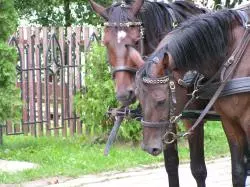 Pferde in Slawonien - als Zugtiere oder Reitpferde - gibt es nicht nur im bekannten Lipizzaner-Gestüt von Dakovo
Photo: Ilya Kalachev
Pferde in Slawonien - als Zugtiere oder Reitpferde - gibt es nicht nur im bekannten Lipizzaner-Gestüt von Dakovo
Photo: Ilya Kalachev
Slavonia at a glance
- Slavonia lies in eastern Croatia and is markedly different from the coast and islands.
- The Drava, Danube, and Sava rivers shape the landscape, routes, and choices for regional excursions.
- Osijek and Đakovo offer distinct urban and cultural experiences.
- Kopački Rit Nature Park is a major destination for wetlands and birdwatching.
- Regional cuisine, wine, and rural areas add to days spent exploring culture and nature.
Osijek on the Drava
Slavonia is easy to explore from Osijek. The city combines the Tvrđa fortress complex, riverside paths, squares, museums, and an active urban life. A walk along the Drava complements the historic districts and helps you understand the city’s setting. For a first visit, it’s best not to rush through both Tvrđa and the river in a short stop; set aside a full day for the city, meals, and breaks.
Osijek also makes a good base for excursions. If you’re traveling without a car, check bus connections, departure points, and return journeys. By car, parking options and the time needed to get back matter more than the distance alone. You can stay and plan your days closer to the center or somewhere quieter outside it; what matters is whether city visits or trips into nature are your priority.
Đakovo, villages, and regional culture
Đakovo is known for its grand cathedral and Lipizzaner tradition. Check current opening hours, performances, and any access requirements directly before your visit. The stud farm is more than a photo opportunity; it is part of the region’s cultural history. Taking time to explore the town makes it easier to connect its architecture, horse breeding, cuisine, and rural surroundings.
Slavonian villages and wine regions suit travelers who prefer to take things slowly. For a tasting or farm visit, make sure to arrange reservations, transportation there, and a return trip. Naturally, drinking and driving should be kept separate. Regional cuisine, river fish, paprika, and hearty dishes provide a distinctive culinary focus that differs from the typical coastal offerings.
Nature along the Danube and Drava
The Kopački Rit Nature Park lies in a river and wetland area between the Drava and the Danube. Water levels, trails, weather, and seasonal wildlife viewing all affect the experience. Keep your distance from birds and other wildlife; observe nature from designated paths or as part of an appropriate guided tour. Sturdy footwear, sun protection, and extra time are more useful on outdoor trails than a tightly packed sightseeing schedule.
The rivers also shape longer itineraries. If you add an overview of Croatia, Central Croatia, Istria, Dalmatia, or the Croatian islands, keep in mind the differences between inland areas and the coast. Slavonia is more than just a brief detour on the way to the sea. A dedicated stay gives you a much better sense of the region.
Seasons and itineraries
Spring and autumn are often well suited to city visits, cycling routes, and wildlife watching. Summers can be hot, but the long days leave plenty of time for river and village destinations. In winter, take shorter days, reduced opening hours, and different conditions for outdoor activities into account. Check wine and cultural attractions in advance, as not every venue is open daily.
For a first trip, Osijek combined with a nature or wine focus is a good choice. You can add Đakovo as a day trip if the drive and return journey are realistic. On a longer trip around Croatia, Slovenia and Serbia offer connections to neighboring regions; check border crossings, tolls, rental car conditions, and current traffic rules separately.
Frequently asked questions about Slavonia
What is Slavonia particularly good for?
Cities, river landscapes, wildlife watching, regional cuisine, wine, and culture. The region offers a quieter alternative to coastal tourism in Croatia.
Which places are good starting points?
Osijek is the main urban base. Depending on your interests, you can add Đakovo and Kopački Rit as day trips or separate stops.
How much time should you plan for?
A full day in Osijek, plus at least one more day for nature or Đakovo, will give you a first impression. More time allows for a slower pace and visits to additional villages.
Slavonia is well worth visiting for travelers who want to experience Croatia through its rivers, regional culture, and quieter pace than in many coastal towns. Osijek can serve as an urban base, while nature, Đakovo, and rural areas each deserve time of their own.
For additional regional information, consult the Croatian National Tourist Board; check specific opening times and events separately.
