
Vladivostok: Pacific port city in the Russian Far East
Vladivostok lies on the Pacific in Russia’s far southeast, bringing together a harbor, hills, bridges, and maritime history. For many travelers, it is either a destination in the Far East chosen in its own right or the endpoint of a long journey on the Trans-Siberian Railway. Given its distance from Moscow and Europe, Vladivostok should not be treated as a brief stopover. The key considerations are allowing enough time, planning realistic connections, and deciding whether the focus is on the city, the coast, or other destinations in Primorye.
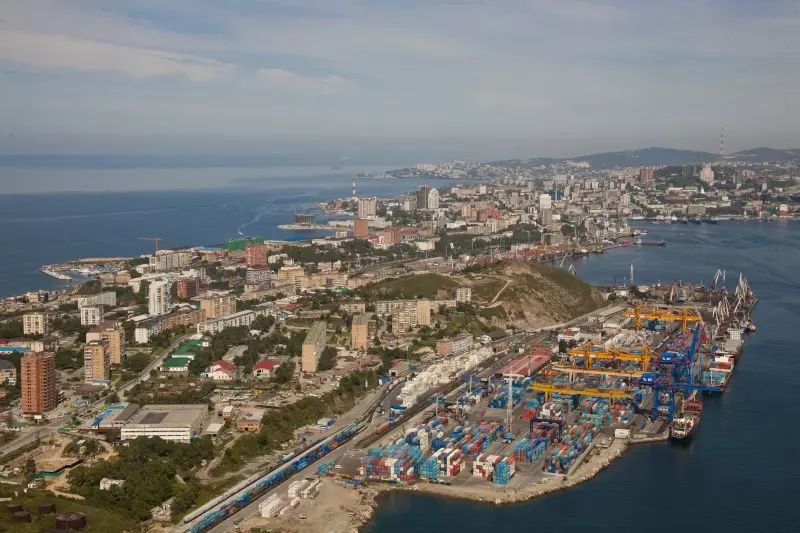 Wladiwostok ist die größte Stadt Russlands im Fernen Osten. Der Name nennt die Bedeutung der Stadt Beherrsche den Osten.
Photo: Russian.dissident at Wikipedia, gemeinfrei
Wladiwostok ist die größte Stadt Russlands im Fernen Osten. Der Name nennt die Bedeutung der Stadt Beherrsche den Osten.
Photo: Russian.dissident at Wikipedia, gemeinfrei
Vladivostok at a glance
- Vladivostok lies on the Pacific in Russia’s far southeast and is a major port city.
- Hills, bays, bridges, and islands shape the way around the city.
- The Trans-Siberian Railway makes Vladivostok a possible endpoint for a long rail journey.
- The harbor, downtown, viewpoints, and islands each require their own time block, depending on traffic and access.
- The distance from Moscow and Europe makes it worth planning as a longer leg of a trip.
- Check the latest entry, safety, transport, and access information before traveling.
- Vladivostok lies on the Pacific coast and is a major port in Russia’s Far East.
- Hills, bays, and large bridges shape the way around the city.
- The Trans-Siberian Railway ends in Vladivostok; traveling there by train is a trip in its own right.
- The harbor, viewpoints, museums, neighborhoods, and islands each offer a different focus.
- Summer and early fall are often better for waterside walks, while winter weather brings different challenges.
- Check current entry requirements, safety information, transport connections, and local rules before planning a specific trip.
A port city between hills and bays
Vladivostok is not a flat, walkable city that can be planned as such. Steep climbs, stairways, and the bay-shaped layout affect how you get around more than a simple city map might suggest. It is therefore best to plan walks by neighborhood. Harbor areas, central squares, viewpoints, and waterfront paths can each be grouped into separate sections. If you spread too many destinations across the city, traffic and hills will eat up time unnecessarily.
The city’s maritime character is one of its defining impressions. Ships, shipyards, ferry terminals, and port areas sit alongside residential neighborhoods, universities, markets, and cultural venues. Not every stretch of waterfront is open to the public; respect operational areas and local restrictions. For a first visit, it makes sense to set aside one day for the city’s history and harbor atmosphere, then another block of time for a viewpoint, an island, or the coast.
Bridges, islands, and Pacific views
The large bridges are striking features of the cityscape, connecting the city center with other parts of the bay. They serve mainly as landmarks, not necessarily as places to visit on foot. When planning, take traffic, access, weather, and the return trip into account. A viewpoint overlooking the water and bridges can make a good focus for an outing, rather than trying to fit in several far-flung islands at the same time.
Those who want to experience more of the coastal landscape can combine Vladivostok with the Russian Far East and regional port or nature destinations. The existing feature on the Port of Vladivostok adds context to the city. For a longer trip around Russia, the pages on Russia, Siberia, and Lake Baikal can also help put the geography into perspective. However, map connections are no substitute for checking actual schedules.
Getting there and combining destinations
Flying is usually the easier option, while the Trans-Siberian rail journey can itself become the main event of a trip. If a specific link or connection is not currently available, check schedules and booking options directly with the relevant provider. Travelers arriving from Europe should plan a day without a packed itinerary. Long flights or train rides, the time difference, and getting oriented in a hilly city all affect the first day.
As a contrast to Vladivostok, you could visit Khabarovsk, the Arctic north, or Yekaterinburg. These destinations are not close by and should only be combined with a suitable transport plan. For connections via Moscow airports, check layover times, terminal transfers, and current entry requirements separately. This helps keep the route coherent rather than turning it into a list of far-flung places.
Season and practical preparations
Summer and early fall are often pleasant for city views, waterfront walks, and excursions. In winter, cold, wind, ice, and shorter daylight hours can change your plans. Spring and fall bring changeable weather, but also different light and less of the strain of summer heat. Whatever the month, pack warm layers, sturdy shoes, and a backup plan for changing weather.
Before booking, check current entry and safety requirements, available transport connections, opening hours, and local access rules. The German Federal Foreign Office publishes travel and safety advice for the Russian Federation. For a longer stay, also check how accommodation, local payments, communications, and the return journey will work under the conditions in force at the time.
Explore the harbor, hills, and Pacific in stages
Vladivostok is best understood through its harbor setting, bays, hills, and bridges. The Russian Far East provides the regional context, while Khabarovsk is a distinct city and river destination. Russia and Siberia show just how great the distances can be on a combined route.
For a day in the city, group central routes, harbor sights, and viewpoints together. Islands and more distant areas need their own time block. Comparing the city with Lake Baikal and Yekaterinburg brings out the different character of each trip. Flights via Moscow should only be planned using current flight and entry information.
Before planning a specific trip, update information on getting there and getting around and travel preparations. The German Federal Foreign Office’s country information for the Russian Federation takes precedence over older information about connections, sightseeing, and access.
Vladivostok FAQ
What is Vladivostok known for?
Vladivostok is associated with the Pacific, its harbor, hills, bays, bridges, and the Trans-Siberian Railway.
How many days should you allow for the city?
Allowing several days makes it easier to combine downtown, the harbor, viewpoints, and a possible trip to an island or the coast.
Is Vladivostok a good endpoint for the Trans-Siberian Railway?
The city can be planned as the endpoint of a long rail journey. Check schedules, entry requirements, accommodation, and current conditions separately.
What affects the timing of a trip?
Weather, daylight, traffic, and access to islands or viewpoints all affect the day’s schedule and should be taken into account for your travel dates.
