
Moscow’s airports
Moscow’s airports can be considered as part of a travel plan when the route, season, travel times, and current conditions align. Not every historical description reflects an offering available today. Before making a decision, check specific locations, access, opening hours, and safety information again.
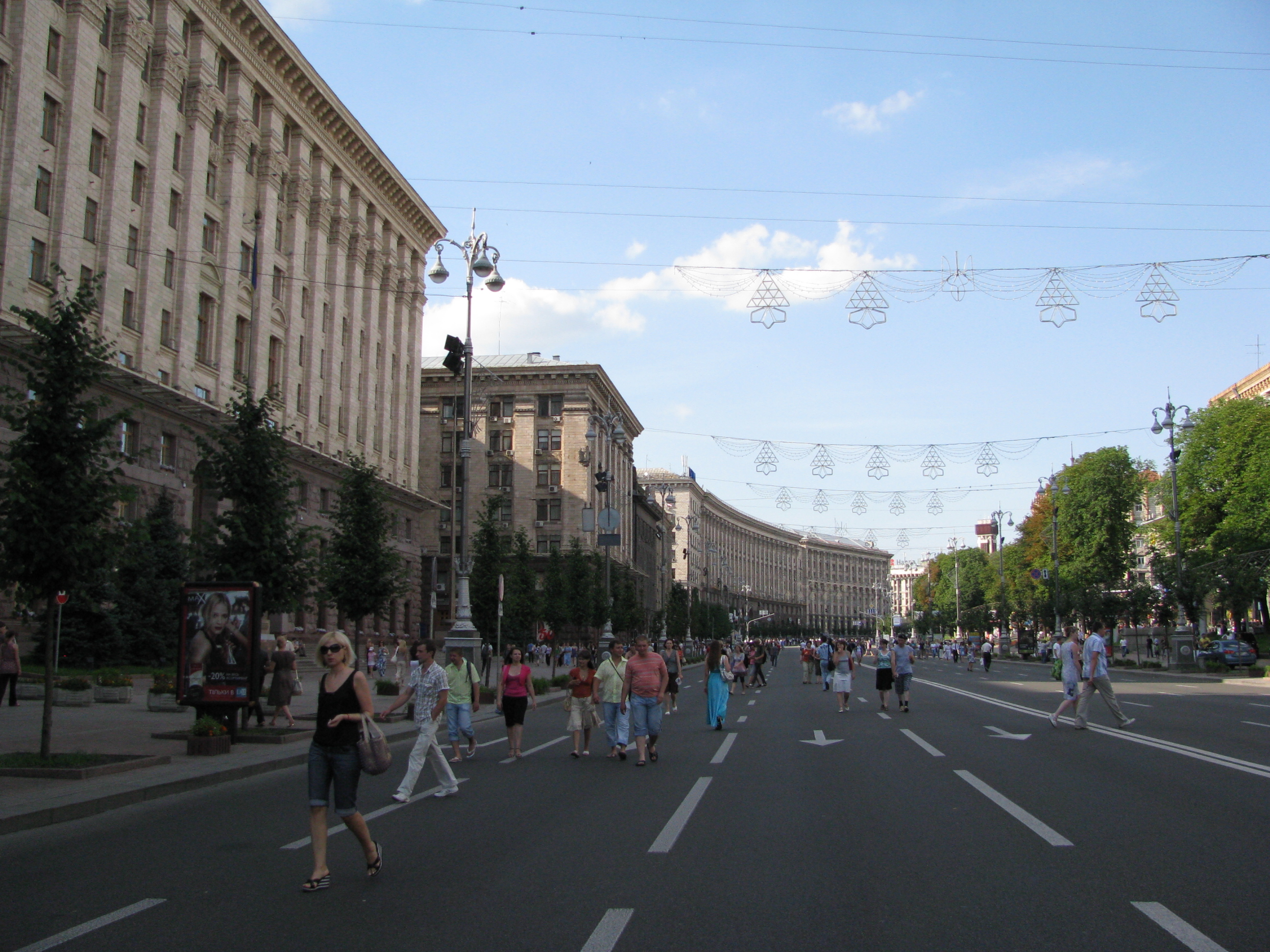 Belebte Straße im Zentrum von Kiew als Motiv für eine Städtereise.
Photo: Ilya Kalachev
Belebte Straße im Zentrum von Kiew als Motiv für eine Städtereise.
Photo: Ilya Kalachev
Quick facts: Moscow’s airports
- The experience can vary greatly depending on the region, season, and personal travel destination.
- Plan a specific route with realistic travel times and enough breaks.
- Current operating, entry, and safety information matters more than old travel accounts.
- Local rules, photography permissions, and consideration for residents and staff are all part of being prepared.
- Planning alternatives helps you stay flexible if the weather, traffic, or available services change.
For many trips to Russia, Moscow’s airports are the first practical point of contact with the capital and should be considered as more than just arrival points. If you’re including Moscow’s airports in your trip, first decide what role they should play in your itinerary: a starting point, a stop on a round trip, a base for exploring the city, a nature stop, or a longer stay. This helps create an itinerary that doesn’t just list lots of places, but works well on the ground.
Travel overview and character
The planning is shaped by multiple airports, long distances, city traffic, rail and road connections, and connection times. It’s important to consider distances, border crossings, the season, and modes of transport together. Especially between the Balkans, Central Europe, and Central Asia, short distances on a map can take much longer because of mountains, borders, timetables, or poor connections.
For visitors, the key factors are which airport they’re using, where their accommodation is, and whether they’ll continue by train or domestic flight. Realistic planning means choosing just a few fixed stops and allowing time between them for transfers. This is helpful on arrival days, during long bus or train journeys, and in regions where the weather, season, or local holidays can change the day’s plans.
Cities, landscapes, and culture
Terminals, transfer zones, rail connections, buses, taxis, routes to baggage claim, and waiting times are the key points to get your bearings. A good itinerary combines well-known places with quieter stretches. Capitals, old towns, museums, and markets help you find your way, while coasts, mountains, rivers, lakes, or spa towns change the pace and make a trip feel less packed.
A relaxed start in Moscow often depends less on the flight itself than on a realistic transfer plan and enough time to spare. It’s especially helpful to set one clear focus for each day. A museum, a neighborhood, a viewpoint, or a stretch through the countryside is more memorable than a packed schedule linking too many stops in too little time.
Routes and combinations
Moscow’s airports work well for trips to Moscow, train stations, domestic flights, and onward journeys around Russia. Moscow Moscow train stations Russia The best combinations follow real transport corridors and related themes. A country overview can help you organize your options, but it doesn’t replace checking individual routes, places to stay, and seasonal connections.
Before booking, check the arrival time, traffic conditions, last train, hotel address, and any transfers together. For a round trip, two to four well-chosen bases are often more comfortable than changing locations every day. From there, you can better combine excursions, city visits, and nature destinations. If traveling by car, consider parking and road conditions; for buses and trains, frequency, transfers, and return services matter more than straight-line distance.
When to travel and practical tips
Winter weather, holiday periods, and rush hour can make transfers take longer; long summer days are useful, but city traffic remains a factor. Spring and fall often work well for cities, round trips, and active days outdoors. Summer is especially suited to coasts, lakes, long evenings, and mountain regions, but accommodation and transport may be under greater strain. In winter, short distances, museums, cafés, thermal baths, and winter sports resorts become more important.
Before booking, check the latest entry requirements, timetables, opening hours, public holidays, local rules, and weather conditions. It’s worth checking again shortly before your trip if you’ll be visiting border regions, national parks, islands, mountain routes, or historical sites. A little extra time in your daily schedule isn’t wasted; it makes room for spontaneous discoveries and breaks. For Moscow’s airports, compare the location of your accommodation with your main daily routes and realistic breaks.
Conclusion for travel planning
Planning around Moscow’s airports helps you avoid stress on arrival, during transfers, and when continuing your journey through Russia. Planning around your own interests makes it easier to find the right mix of well-known places, regional culture, and quieter stretches. This turns an overview into a useful starting point for a trip that works in terms of timing, themes, and geography.
Understanding Moscow’s airports
Moscow’s airports lie in different directions outside or on the edge of the city, and can have a significant impact on the rest of your travel plans. For arrivals, transfers, or departures, it’s important to know more than just the airport’s name: you’ll also need to consider its connections to the metro, trains, taxis, and long-distance transport.
Before setting off, travelers should check which airport they’ll actually be using, how much time they have for the transfer, and whether they’ll be continuing elsewhere in Moscow or to other regions. Given the city’s vast distances, allowing a good time buffer can make the journey much more relaxed.
Practical preparations
For geographical context, air travel and airport arrivals is a good starting point. A travel checklist, up-to-date travel and transport information, and maps saved for offline use can all help you prepare. Double-check your documents, addresses, and booking details before setting off. If you’re linking several stops, don’t leave your return journey to the last possible connection. For Moscow’s airports, compare the location of your accommodation with your main daily routes and realistic breaks.
Air travel and airport arrivals and travel checklist and itinerary and passport and personal documents and transfers and local transport help you prepare when you consider routes, timing, and current conditions together.
Train travel and stations and offline maps and map, cash, and a second payment option and more vacation ideas help you prepare when you consider routes, timing, and current conditions together.
The best travel decisions come from choosing a suitable pace and checking the information. Compare your specific reason for traveling with the duration, budget, routes, and kind of stay you want. If part of the plan remains uncertain, a shorter leg or a different kind of trip may be the more reliable choice. For Moscow’s airports, consider not just your reason for traveling, but also route conditions, weather, daylight, and a safe return.
FAQ
How can I fit this into an itinerary?
Make it part of a realistic day or multi-day itinerary, and allow time for travel and breaks, as well as an alternative.
Which details need to be up to date?
Immediately before your trip, check access, opening hours, transport, costs, and any safety or entry requirements.
What should I keep in mind about older information?
Older texts can explain history and geographical context; current decisions require additional sources.
