
Ukrainian Bacon: Salo as a Culinary Tradition
Salo refers to cured or salted pork fat and is one of the best-known foods in Ukrainian cuisine. It is eaten in thin slices, used in cooking, or served with bread, garlic, pickled vegetables, and herbs. For visitors, salo is less a single defined specialty than a glimpse into regional food preservation, home cooking, and varied tastes.
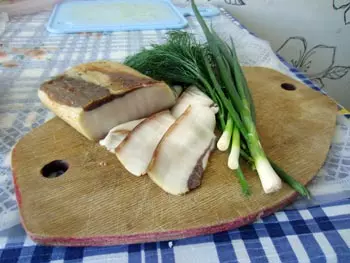 Salo als ukrainische Speise mit Brot und typischen Beilagen.
Photo: Markus Lenk
Salo als ukrainische Speise mit Brot und typischen Beilagen.
Photo: Markus Lenk
Quick facts about salo
- Salo is traditionally prepared pork fat tissue.
- It is salted, cured, smoked, or seasoned with spices.
- Its texture and seasoning vary from region to region and from household to household.
- Typical accompaniments include rye bread, garlic, onions, and pickled vegetables.
- For chilled products, hygiene and transport are especially important.
- Those who do not eat pork will find plenty of other dishes in Ukrainian cuisine.
A food with many variations
The simple translation “bacon” only tells part of the story. Salo can be soft or firm, freshly salted, aged for longer, smoked, or seasoned with pepper and garlic. Some varieties are thinly sliced and eaten cold, while others are used as a hearty cooking ingredient. The combination of fat, salt, and flavor helps explain why a small amount is often enough as a side dish.
In Ukrainian cuisine, salo is not served on its own. At markets and restaurants, it is found alongside bread, soups, dumplings, vegetables, and pickled foods. Those interested in discovering regional food culture can also explore the flavors of cities such as Kyiv, Odesa, or Lviv. Their cuisines and market traditions differ, and no single preparation should be considered universal.
Trying and buying salo
A small portion is a good way to try salo for the first time. It is rich and can have an intense flavor depending on how salty or strongly seasoned it is. At a restaurant, you can ask how it has been prepared: is it smoked, heavily salted, or seasoned with garlic? If you are sensitive to certain ingredients, ask about spice blends and accompaniments as well.
When shopping while traveling, take the same precautions as with other chilled meat products. Keeping it properly chilled, knowing where it came from, and eating it within a short time are more important than buying from a market stall that looks appealing. Salo is not automatically suitable as a souvenir for long road trips or flights. Check customs and import rules, as well as the carrier’s transport conditions, in advance.
Enjoying salo while respecting different diets
Salo is a pork product, so it is not suitable for every diet or religion. It is still easy to put together a good meal in Ukraine to suit your preferences: bread, potato dishes, mushrooms, cabbage, beetroot, cheese, and dumplings offer plenty of alternatives. A visit to restaurants in Kyiv or restaurants in Odesa can also introduce you to a range of regional cuisines without committing to a single dish.
The photo shows salo as a food. It is intended to provide culinary context and makes no claim about the ingredients, quality, or availability of any particular offering.
FAQs about Ukrainian salo
What exactly is salo?
Salo is salted pork fat tissue, sometimes cured or smoked, traditionally used as a side dish or ingredient in Ukrainian cuisine.
How is salo served?
It is often served in thin slices with bread, garlic, onions, herbs, or pickled vegetables. Preparation varies by region.
Is salo always smoked?
No. It comes in salted, cured, smoked, and variously seasoned versions.
Can you take salo with you when traveling?
That depends on refrigeration, shelf life, transport, and the applicable import rules. Check these factors before buying.
Poltava and the Ukrainian Carpathians also have their own regional culinary traditions. When comparing ingredients or dishes, it is best to consider them in their local context.
Flavor and dietary considerations
Depending on the recipe, salo can vary considerably in its saltiness, smokiness, and seasoning. If you are new to the flavor, start with a small slice and pair it with plain bread or vegetables. If you have allergies, follow a particular diet, or have health-related dietary requirements, it is a good idea to ask about the ingredients. This is especially true of homemade products, whose seasoning may not always be listed. That way, culinary curiosity can go hand in hand with making an informed choice.
