
Regional Cuisine in Eastern Europe and Central Asia
Regional cuisine often makes a destination easier to understand than a long list of sights. Across Eastern Europe and Central Asia, dishes, ingredients and eating habits vary not only from country to country, but also between cities, villages, coastlines, mountains and steppes. If you want to try local specialties, stay curious, ask where they come from, and match your culinary choices to your route.
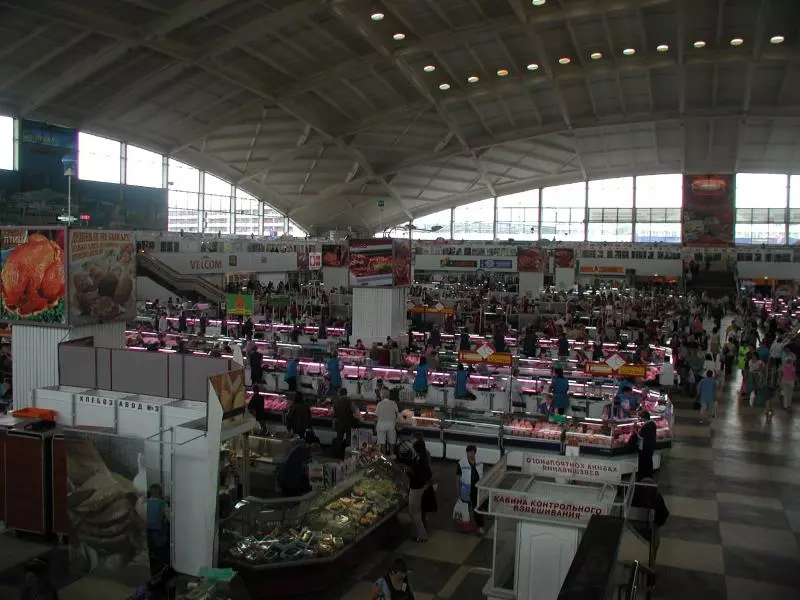 Innenansicht des Kamarowka-Marktes in Minsk mit zahlreichen Marktständen, Waren und einkaufenden Menschen.
Photo: Markus Lenk
Innenansicht des Kamarowka-Marktes in Minsk mit zahlreichen Marktständen, Waren und einkaufenden Menschen.
Photo: Markus Lenk
Regional Cuisine: Quick Facts
- Soups, dough-based foods, bread, grains, potatoes, cabbage, dairy products and meat play an important role in many regions.
- Climate, agriculture, religion, trade routes and history all shape regional cuisine.
- The same dish can be prepared quite differently depending on the place, family and season.
- Markets often reveal more about everyday food culture than tourist menus.
- When ingredients are unfamiliar, ask questions and consider ordering a small tasting portion.
- Meal times, table manners and religious rules can vary considerably.
Cuisine as Part of Trip Planning
When taking a holiday in Eastern Europe and Central Asia, it is worth treating food as more than a break between activities. A visit to a market, a morning stop at a bakery or a simple local eatery can offer a better sense of a place than a standardized restaurant on a shopping street. At the same time, travelers should adjust their expectations: a familiar dish may not have the same seasoning, presentation or name everywhere.
The Balkans, for example, bring together influences from the Mediterranean, the Ottoman Empire and Central Europe. In Bulgaria, yogurt, vegetables, cheese, dough-based dishes and grilled foods are familiar features of many menus. That does not mean every meal has to include these ingredients; regional cuisine is always more varied than a short list of typical dishes can suggest.
How Regions and Landscapes Differ
In Ukraine, soups, bread, dough-based foods and vegetable dishes are important touchstones of food culture. The UNESCO entry on the culture of Ukrainian borscht cooking also makes clear that cooking is about more than ingredients: it is connected to knowledge, transmission and everyday community life. So when traveling, it is worth looking beyond a dish’s name and asking how and in what setting it is eaten.
In Russia, vast distances and varied landscapes influence the range of ingredients and cooking methods. Cities, river regions and northern areas each have their own specialties. Poland offers travelers a cuisine in which soups, dough-based foods, potatoes, cabbage and mushrooms are often combined in different ways. If you visit several countries, don’t assume that familiar dish names always refer to identical recipes.
Romania also shows how strongly landscape and history can shape what people eat: cities, the Carpathian regions and rural areas each have their own ingredients and customs. The Baltic states bring together the Baltic Sea, forests, agriculture and Nordic influences. In the Caucasus, mountain regions, viticulture, herbs, dough-based foods and a wide range of local traditions meet.
Markets, Local Eateries and Meal Times
Markets are particularly good places to start exploring. You can compare seasonal fruit and vegetables, bread, cheese, spices, pickled foods and sweets. The selection does not necessarily show what every family cooks, but it gives a better sense of the available ingredients and local preferences. When buying unpackaged food, travelers should consider cleanliness, refrigeration and their own health.
At simple local eateries, ordering a small portion can help if the menu is unfamiliar. It is sensible to ask about meat, nuts, dairy, gluten, spice and alcohol, especially if you have allergies or religious dietary requirements. Translation apps can help, but they are no substitute for a clear answer. When invited into someone’s home, patience, gratitude and tact when expressing criticism help foster respectful interaction.
Meal times are another practical consideration. Breakfast may be a simple meal of bread, dairy products, tea or pastries, while the main hot meal is commonly eaten at midday or in the evening, depending on the region. In smaller towns, opening hours are less predictable than in major cities. If you are planning a long drive or an excursion, don’t assume you will always find a restaurant open.
Choose Thoughtfully and Try Something New
Regional cuisine is best discovered when your choices fit your travel plans. A longer stay in one place gives you more opportunities to try seasonal dishes, visit different eateries and explore markets. On a multi-stop trip, rather than trying to tick off as many specialties as possible each day, take time to notice the differences between regions. Respect matters, too, even when a flavor doesn’t meet your expectations.
The best approach balances curiosity with caution: listen to local recommendations, check ingredients, pay attention to hygiene, and avoid making broad claims about an entire population based on a few meals. This makes food an accessible part of the journey without reducing traditions to mere scenery.
Frequently Asked Questions
Which dishes should I try first?
Start with dishes that are commonly served where you are and whose ingredients can be clearly explained. A small portion is an easy way to try something new.
Are regional dishes always spicy?
No. Spiciness depends on the country, region, recipe and personal taste. If you are unsure, ask before ordering.
How can I find good local food?
Markets, bakeries, eateries frequented by locals and seasonal offerings often provide better clues than heavily standardized tourist menus.
What should I keep in mind if I have allergies?
Explain your allergies clearly, preferably in the local language. If you cannot get a clear answer, choosing another dish or a packaged product is the safer option.
