
Odesa: Port City, Old Town and the Black Sea
Accommodation in Odessa, Ukraine
Odesa lies on the Black Sea and brings together a port, historic old town, broad streets, courtyards, theatres and coastal scenery. The city also represents a layered history shaped by Ukrainian, Jewish, Greek, Russian and other influences. For geographical context, UNESCO’s description of the historic centre is helpful. Before planning a specific trip to Ukraine, however, the latest guidance from the Federal Foreign Office takes precedence over older tourist texts.
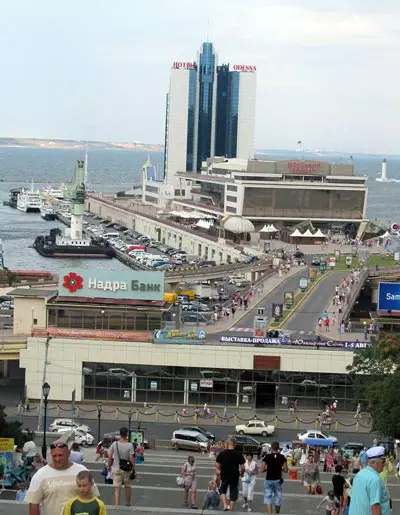 Der Hafen von Odessa und die Potempkinschen Treppen sind große Sehenswürdigkeiten der tollen Hafenstadt Odessa
Photo: Daddy
Quick facts: Odesa
- Odesa is a major port city in southern Ukraine.
- The Potemkin Stairs, the opera house, Primorsky Boulevard and the old town are among its best-known landmarks.
- The port, city centre and coast together form an urban environment that is not freely accessible everywhere.
- The city’s architecture and cultural history have been shaped by several population groups and eras.
- Beaches and coastal destinations do not automatically fit into the same day’s itinerary as the old town.
- The security situation, transport, opening hours and access arrangements should be checked using up-to-date information.
The port, the stairs and the historic centre
The Potemkin Stairs connect the city centre with the port area and are Odesa’s most iconic urban landmark. From there, routes lead to Primorsky Boulevard, the opera house and the streets of the historic centre. A walking tour should do more than tick off individual photo spots; it should help visitors understand the relationship between the port, trade, urban planning and public life.
In the old town, grand façades, courtyards, religious buildings and modern uses sit side by side. The opera house is an important cultural landmark; visits and performances depend on current conditions and local regulations. When planning, it is sensible to choose a few key destinations and leave time in between for detours, checks or short-notice restrictions.
Cultural history and the Black Sea
Odesa’s culture cannot be reduced to a single national narrative. Port trade, migration, literature, music and Jewish life have all helped shape the city. Museums and historic buildings can add to this picture, where accessible. The overview of Ukraine provides the wider context, while Lutsk and the Dnipro region offer different geographical and historical perspectives.
The sea shapes the climate and the feel of the city, but the beach, port and old town are separate destinations. Coastal areas may not be usable as usual because of the season, weather or security concerns. When planning a stay, first decide whether architecture, culture, sea views or a longer day on the coast is the main focus. Older information about swimming spots, nightlife, timetables or excursions should not be treated as a reliable promise of current availability.
Getting there and current considerations
Odesa can be considered as a destination in its own right or as part of a longer trip around Ukraine. Kyiv and Sevastopol represent different urban and coastal areas; however, a connection between them makes sense only after checking current transport, security and access conditions. Yalta is likewise not an automatically reachable onward destination.
Those travelling at a later date should recheck entry requirements, transport links, accommodation, return travel, insurance and local guidance. A flexible itinerary with a backup plan is more sensible than a fixed list that works only under normal conditions. It is especially important to behave respectfully near cordons, avoid taking sensitive photographs and be prepared to change routes at short notice.
For getting around locally, a clear order of priorities helps: start with accessible areas in the centre, then visit a museum or a stretch of waterfront if conditions allow. For longer stays, plan for drinking water, weather-appropriate clothing and a safe way back. Anyone travelling with children or older companions should also take stairs, uneven paths and possible wait times into account. This keeps the focus on culture without treating an older description as a guarantee of current conditions.
Bringing the port, old town and coast together
A city walk in Odesa works best when it focuses on a few key places that are easy to reach. The old town, Ukraine, the port area and the coast should not be treated as a single short route. Comparing Odesa with Kyiv highlights the difference between a capital and a port city, while Lutsk offers a different historical and geographical perspective.
For further regional context, see the Dnipro region, Dnipro, Sevastopol and Yalta. Each should be considered a separate destination, with its own route, time budget and current access conditions. A beach or port day needs a realistic alternative in case the weather, transport or security situation changes the plans.
Before any specific trip, check entry requirements and documents as well as how to travel safely using current information. The Federal Foreign Office’s country information for Ukraine takes precedence over older guidebook details. Historical and cultural context can help explain a place, but it does not replace checking the current situation.
Odesa FAQ
What is Odesa especially known for?
For its combination of a port, historic city centre, Potemkin Stairs, opera house, cultural history and Black Sea setting.
Can you visit the old town and the beach in one day?
That depends on access, transport, weather and the current situation. The two should be planned as separate parts of the itinerary, with extra time allowed.
What information is especially important before travelling?
Current security and travel advice, entry requirements, transport, accommodation, opening hours and local access rules matter more than older guidebook information.
Odesa remains a distinctive destination on the Black Sea, known for its port and cultural heritage. A responsible perspective combines an appreciation of the city’s historical diversity with a current assessment of conditions, and avoids making promises about access or services that can change at any time.
