
Visit monasteries and sacred buildings respectfully
Monasteries, churches, mosques, synagogues and other sacred buildings are more than historic structures. They can still be places of prayer, community and remembrance. Travellers should therefore first decide whether they want to admire the architecture, learn about the art, join a guided tour or quietly experience a place of worship. Appropriate conduct matters more than ticking off as many buildings as possible.
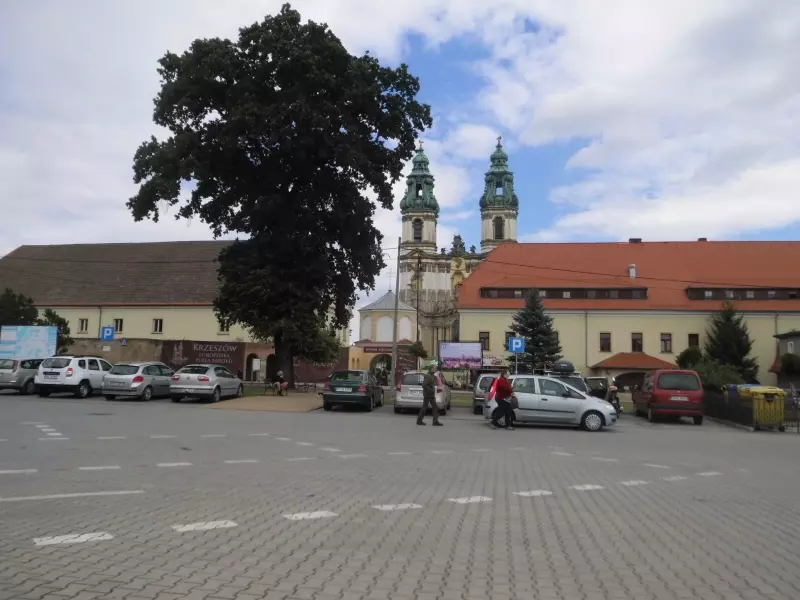 Kirche der Zisterzienserabtei in Krzeszów mit zwei Türmen und Platz davor.
Photo: Bernd Hermann, Neandertours.com
Kirche der Zisterzienserabtei in Krzeszów mit zwei Türmen und Platz davor.
Photo: Bernd Hermann, Neandertours.com
Quick facts: Monasteries and sacred buildings
- Sacred buildings can be places of worship, monuments, museums or active monasteries all at once.
- Services, holidays and monastic routines can affect access at short notice.
- Rules on clothing, head coverings, footwear, quiet and photography vary from place to place.
- Interiors are often darker, more delicate and more demanding to conserve than exterior areas.
- Monasteries are often outside larger towns, so allow realistic time for the journey there and back.
- A guided tour can explain the architecture, but it does not replace consideration for worshippers and residents.
Put religious significance before the itinerary
Before visiting, check the website of the congregation, monastery or responsible institution, along with any current notices. A building may be open only for services at certain times. At an active monastery, quiet and consideration are part of the visit, even if some areas are open to tourists. If you are unsure, ask at the entrance rather than guessing the rules from photos or previous trips.
The regions of Poland offer numerous churches and monastic complexes with layers of history. Krzeszów combines a major Baroque religious complex with its surrounding town and landscape. In the Baltic states, Christian, Jewish and other religious traditions intersect with urban and regional history. Information on culture and history can help you combine your visit with museums or historic sites.
Preparation and conduct
Modest clothing, covered shoulders and knees, and quiet behaviour are a good starting point in many places of worship. Depending on the tradition, there may be additional rules about head coverings or footwear. Bags, strollers and large backpacks may not be allowed inside. Photography, filming and flash are not automatically permitted. On-site instructions always take precedence over general travel habits.
When visiting a monastery, check which areas are open to the public. Gardens, cloisters, guesthouses and service buildings may each have different access boundaries. Stairs and cobblestones can make access difficult; visitors with limited mobility should ask about an accessible entrance. For families, brief explanations and a break outside the worship space are more helpful than a long, restless tour.
The surrounding area is also part of the plan. A sacred building can be paired with a nature walk, a quiet stay or regional cuisine. If the last bus leaves early, do not leave your visit until the very last minute. For remote sites, drinking water, an offline map and a safe return journey are especially useful.
When visiting several sacred buildings in one region, choosing a theme is more rewarding than racing to see as many towers as possible. A Baroque interior, a simple village church and a monastery can each reveal different aspects of religious and regional history. Leave time for travel and breaks between visits. This gives you space to take in what you have seen and enter the next place with the attention it deserves.
The season and time of day also affect a visit. In winter, remote routes can grow dark early; in summer, weddings, services and events are more frequent. Current notices are therefore more useful than an old travel guide. If you cannot join a guided tour, at least note the building’s name, date of construction and current use beforehand. This preparation helps you observe more thoughtfully on site.
Understanding art, history and remembrance
Altars, icons, frescoes and tombs often have religious and art-historical significance at the same time. Yet elaborate decoration should not be separated from the context of religious life. Confessional conflicts, displacement and political instrumentalisation call for careful language. A museum visit can offer additional sources and explanations, while a memorial site calls for a different kind of attention.
Visitors should not photograph or disturb people at prayer. Processions, funerals and private conversations also require distance. Those who take their time often notice details of the building, light and materials without commenting loudly on every room. Other travel activities can then be planned so that a sacred place does not become merely a backdrop to an overly packed day.
FAQ
What should I wear to visit a church?
Modest clothing that covers your shoulders and knees is often appropriate. You should also check the specific rules of the place.
Can I take photographs inside sacred buildings?
Only if it is expressly permitted. Flash, tripods, services and individual works of art may be subject to specific restrictions.
Can I visit a monastery at any time?
No. Services, monastic routines, holidays and tour schedules may restrict or change access.
