
Polní Voděrady: Castle, Church and Cycling Plans
Accommodation in Polní Voděrady
Polní Voděrady offers concrete points of interest for a trip combining cultural history and cycling: the present-day castle is Neoclassical, the Church of the Visitation of the Virgin Mary has Baroque facade details, and a route plan from 2022 lists the town as a stop.
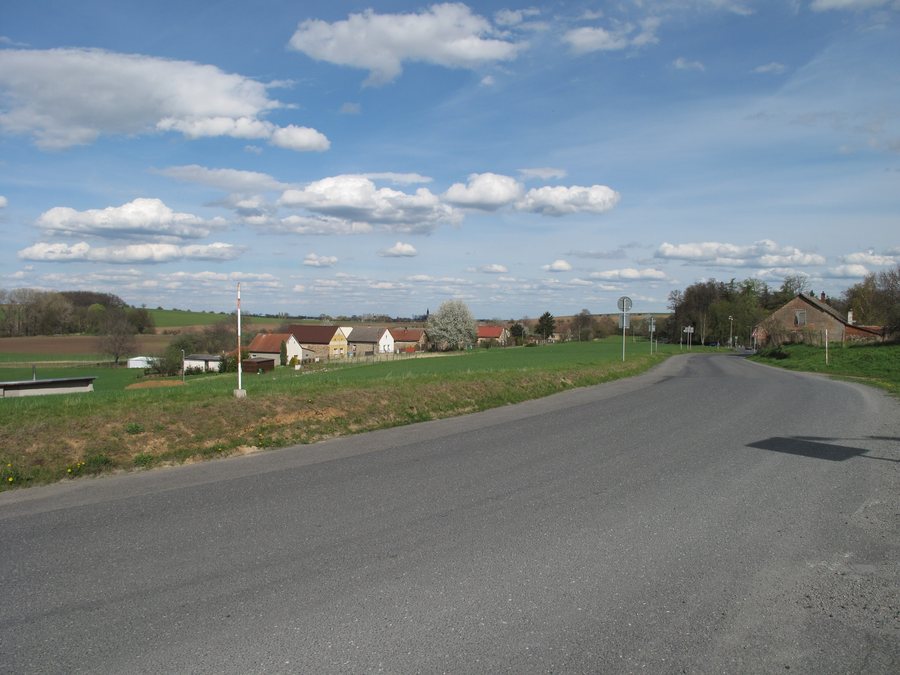
Polní Voděrady at a glance
- First mentioned: 1088, as property of the Vyšehrad Chapter.
- Polní Voděrady Castle: a Neoclassical replacement built in 1810–1811, with no older structural elements.
- Church of the Visitation of the Virgin Mary: Baroque porch and stone group on the gable, dated 1770.
- Location: 8.5 kilometers southwest of Kolín, at an elevation of 322 meters.
What architectural history shaped the castle?
Polní Voděrady is first mentioned in 1088 as property of the Vyšehrad Chapter. The present-day castle belongs to a different period: it was built in 1810–1811 as a Neoclassical replacement and has no older structural elements. The dates therefore mark two different things: 1088 is the town’s first mention, while 1810–1811 is when the castle was rebuilt.
The castle stands on the eastern edge of the town, on the road to Kolín, and is surrounded by a park. Several aspects help characterize the building: its Neoclassical design, its clearly defined construction period and its location at the edge of town. The park is part of the castle’s described setting.
What architectural details define the church?
A Baroque porch, a covered entrance area projecting from the building, stands in front of the west facade of the Church of the Visitation of the Virgin Mary. The facade is topped by a Baroque gable with a stone group depicting the Visitation of the Virgin Mary, dated 1770. These features illustrate different elements of the facade: the porch in front of it and the dated sculptural group on the gable.
The listed complex also includes the cemetery’s boundary wall, its gates and steps, and valuable tombstones. These features, together with the church grounds, are listed in the Ústřední seznam nemovitých kulturních památek České republiky (Central Register of Immovable Cultural Monuments of the Czech Republic). The listing therefore explicitly covers elements of the cemetery complex in addition to the church grounds.
What does the cycling plan mean for your trip?
The regional cycling trip “Cyklovýlet za Labskými vyhlídkami a údolím Polepky” (“Cycling trip to the Elbe viewpoints and the Polepka Valley”) is described as a planned route in a tourism strategy document from December 2022. The listed route starts in Kolín and runs via Nová Ves I, Křečhoř, Libodřice, Polní Voděrady, Lošany, Kbel, Ratboř, Pašinka and Polepy, returning to Kolín. In the stated sequence, Polní Voděrady comes after Libodřice and before Lošany.
The route sequence should be understood as a plan from 2022; current signage and maintenance are not guaranteed. Road conditions and practical rideability can change. Check the current route conditions, signage and accessibility before setting out.
Where is Polní Voděrady in relation to Kolín?
Polní Voděrady lies 8.5 kilometers southwest of Kolín, at an elevation of 322 meters. Kolín is both the starting and ending point of the route plan described. This location places the town in direct relation to the city, while the planned cycling route makes it part of a longer regional sequence. The local buildings and the historical route plan therefore offer different travel interests to explore.
Discover more destinations: Polní Chrčice, Kšely, Radovesnice Ii, Tatce, Vitice, Drahobudice, Poříčany, Kolín
FAQ
When is Polní Voděrady first mentioned?
The town is first mentioned in 1088 as property of the Vyšehrad Chapter.
What characterizes the present-day castle?
It is a Neoclassical replacement built in 1810–1811 with no older structural elements. It stands on the eastern edge of town, surrounded by a park.
Is the planned cycling route currently signposted?
The route plan dates from 2022 and does not guarantee current signage or maintenance. Check conditions before setting out.
To the main travel overview: Okres Kolín.

