
Modřišice: Log houses, monuments and paths
Accommodation in Modřišice
Modřišice is a place where you can include architectural heritage and movement together in your travel planning. The village centre, individual monuments and paths in the surrounding area offer different focal points when choosing your accommodation.
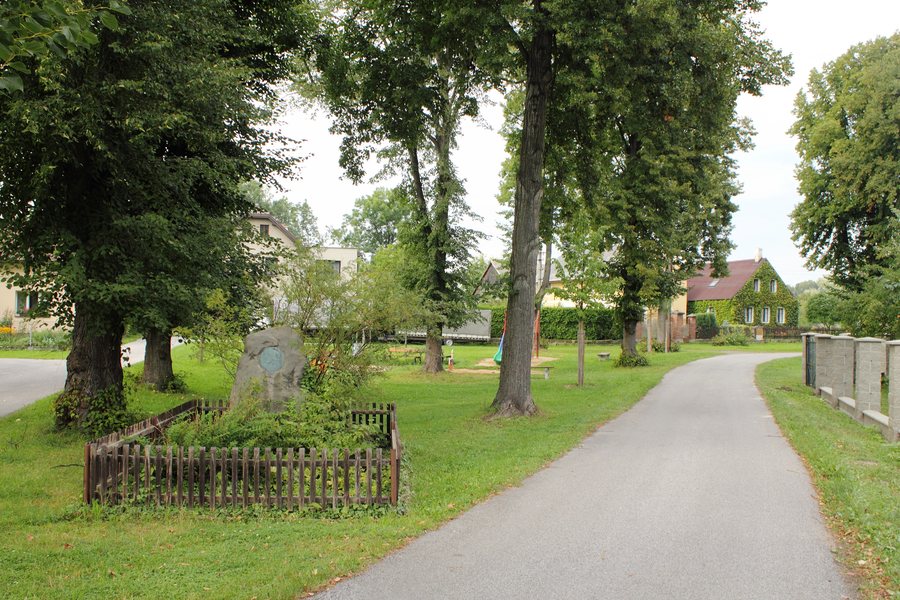 File:Modřišice (6).jpg
Photo: Photo: This image is a work by Miloslav Rejha ( User:M.Rejha ). When reusing, please credit me as: Miloslav Rejha, Wikimedia Commons . I would appreciate being notified if you use my work outside Wikimedia. Do not copy this image illegally by ignoring the
File:Modřišice (6).jpg
Photo: Photo: This image is a work by Miloslav Rejha ( User:M.Rejha ). When reusing, please credit me as: Miloslav Rejha, Wikimedia Commons . I would appreciate being notified if you use my work outside Wikimedia. Do not copy this image illegally by ignoring the
Several log houses have been preserved in the older centre of Modřišice. Mature lime trees provide greenery in the middle of the village square. Both features give the place a clearly recognisable architectural and village character, without requiring you to focus on just one theme.
Another distinctive cultural feature is Farmstead No. 1 at Kvapilů, which is designated as a state monument. Anyone who wants to get to know a place not only through its landscape but also through its buildings will find several points of interest here.
Which buildings shape the village centre?
In the centre of Modřišice, next to the bell tower and House No. 1, stands a stone cross dating from 1796. The cross is an immovable cultural monument. Its location next to two other architectural points of reference makes it a permanent part of the village character, which you can include in a walk through the central area.
The combination of the bell tower, House No. 1 and the stone cross shows how closely various historic features stand together in the centre. You should not, however, combine the individual buildings into a single complex: the cross is an independent stone object, while Farmstead No. 1 is a state monument. This distinction in particular helps you understand the characteristics of the village clearly.
House No. 10 at Marků is considered a notable building in Modřišice. It was probably built in the 18th century, has two storeys and is an example of vernacular log-house architecture in the central Pojizeří region. For travellers interested in culture, the combination of its presumed construction date, two-storey form and regional classification is especially interesting. You should understand the cautious dating accordingly: it is a presumed construction in the 18th century.
Another example is Farmstead No. 14. It dates from the 19th century and consists of a two-storey log house with a post-and-beam structure, a carved gallery, a richly decorated gable and a detached log barn.
If you are interested in regional architectural history, you can examine the buildings from different perspectives: by their presumed or documented date, their construction or their decorative details. House No. 10 represents vernacular log-house architecture in the central Pojizeří region, while Farmstead No. 14 brings together several architectural elements, including a gallery, gable and detached barn.
Which paths suit a stay in Modřišice?
A walk is possible along the flood-protection embankment that separates Modřišice from the Jizera.
In the surroundings of Modřišice, hiking trails lead, for example, to the Hruboskalsko rock town. This means that the hiking theme extends beyond the immediate village centre. If you like to combine your trip with a focus on nature or the landscape, you can include Modřišice in your plans as a starting point for exploring such paths, without reducing the place exclusively to a single hiking route.
You can give the themes of the village centre, the embankment walk and the hiking trails different weight in your travel planning. You can focus your stay more strongly on buildings and cultural features, or place movement at the centre of your plans.
How can you choose accommodation based on your interests?
When choosing a hotel or other accommodation, you can first decide which of the themes found in Modřišice are important for your stay. Those interested in architecture will focus on the older village centre, the stone cross, the farmsteads and the preserved log houses. Anyone who wants to combine their stay more strongly with movement can consider the walk along the flood-protection embankment or the hiking trails in the surrounding area.
The regional perspective can also play a role. 10 is an example of vernacular log-house architecture in the central Pojizeří region, while the paths and the Jizera offer a different way of experiencing the stay. Modřišice can thus be viewed both as a specific place with independent buildings and as part of a broader travel plan.
Which places can you compare as well?
For a broader comparison of places, you can also include Rovensko Pod Troskami, Tatobity, Bozkov, Horka U Staré Paky, Kruh, Turnov, Paseky Nad Jizerou and Jablonec Nad Jizerou in your travel plans.
FAQ
What can be found in a field near Modřišice?
Wayside shrines of the Boží muka type have been preserved in a field near Modřišice. The figure contained inside them is kept there.
Where is the statue of Saint John of Nepomuk?
The statue of Saint John of Nepomuk stands at the wayside cross between Modřišice and Podháj.
What access to cycling routes is there from Modřišice?
There is easy access to cycling routes from Modřišice.
To the broader travel overview: Semily District.
