
Mtskheta-Mtianeti
Accommodation in Mtskheta-Mtianeti
Mtskheta-Mtianeti brings together very different travel interests: Mtskheta is known for its churches and historical sites, while Juta and Kazbegi National Park are defined by alpine landscapes. Lake Bazaleti offers additional activities on the water. When choosing accommodation, consider which of these aspects matters most for your trip.
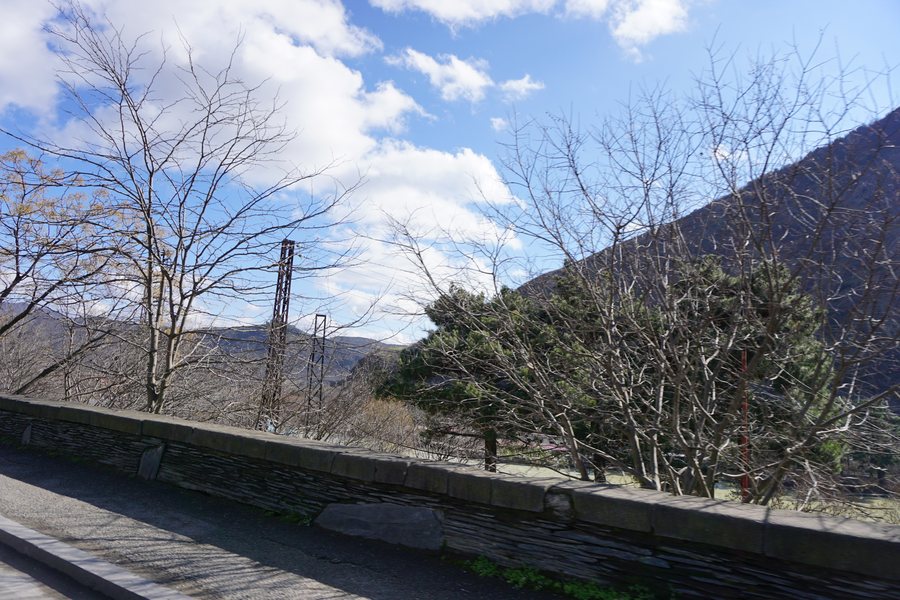 File:Mtskheta, Georgia (39658073210).jpg
Photo: Andrew Milligan sumo via Wikimedia Commons, CC BY 2.0
File:Mtskheta, Georgia (39658073210).jpg
Photo: Andrew Milligan sumo via Wikimedia Commons, CC BY 2.0
Mtskheta-Mtianeti at a glance
Mtskheta is the region’s administrative center and is considered a museum city. Kazbegi National Park encompasses forests, alpine pastures, moraines, snow-capped peaks and rugged rocks. Juta lies at an altitude of 2,200 meters and is one of Georgia’s highest mountain settlements.
What landscapes define the region?
Kazbegi National Park lies in a historic valley on the northern slopes of the Caucasus. Forest covers 35% of its area; the rest consists of alpine pastures, moraines, snow-capped peaks and rugged rocks. The park’s landscape therefore ranges from forest to open high-mountain terrain and rocky ground. For nature lovers, the transition from forest to alpine pastures and rocky terrain is a defining feature of the park.
Another natural area is Sabaduri Forest: an 8 km stretch of the road from Gldani to Tianeti runs through the forest, which is home to beech, oak and linden trees. This figure refers to the section of road through the forest. It can therefore help travelers planning to visit Tianeti and drive through the forest.
Lake Bazaleti is a volcanic lake in the Dusheti region. It covers 1.22 km² and has a maximum depth of seven meters. Visitors can swim, fish, go boating and enjoy beach sports there. This makes a stay by the water an option to weigh against a trip focused on mountain landscapes or culture.
What does Mtskheta offer culture lovers?
Mtskheta is not only the region’s administrative center but is also considered a museum city. Among its historic buildings is Samtavro Monastery: the present complex includes a stone-built episcopal church dating from the first half of the 11th century. The present Svetitskhoveli Cathedral was built between 1010 and 1029. Both buildings offer a concrete reason to include Mtskheta as a cultural destination in your travel plans.
East of the city, Jvari Monastery stands on a rocky cliff. Armaztsikhe, south of Mtskheta, existed from the 4th century BC to the 8th century AD. Its structures include a royal palace, a church, a wine cellar and ancillary buildings. Samtavro, Svetitskhoveli, Jvari and Armaztsikhe thus represent different historical sites and architectural forms. Tianeti Local Museum exhibits archaeological materials discovered in the surrounding area.
What nature experiences are there around Juta and Tianeti?
Juta lies at an altitude of 2,200 meters and is one of Georgia’s highest mountain settlements. The main hiking trail starts in the village center and leads to Juta Lake at the foot of the Chiukhi Massif. The route is almost 4 km long and takes about 1.5 hours. Both figures are approximate. The Chiukhi Massif is used for hiking, mountaineering, climbing and winter sports.
There are several campsites in the Iori River valley north of Tianeti. Dambalkhacho is listed as one of Georgia’s monuments of intangible cultural heritage. These two aspects add to the range of nature and cultural topics to consider when exploring the region.
More places in the region: Birkiani, Tsodoreti, Chargali, Ananuri, Karsani, Ganisi, Roshka, Chinti, Misaktsieli, Dzegvi, Natakhtari, Dzalisi, Passanauri, Saguramo, Bazaleti, Juta, Kvesheti, Akhmeta, Stepantsminda, Arsha, Lami, Tianeti, Dusheti, Gudauri and Mtskheta.
FAQ
How long is the main hiking trail from Juta?
The trail from the village center to Juta Lake at the foot of the Chiukhi Massif is almost 4 km long and takes about 1.5 hours.
What activities are possible at Lake Bazaleti?
Visitors can swim, fish, go boating and enjoy beach sports at the lake.
What makes Kazbegi National Park distinctive?
Forest covers 35% of its area. The rest consists of alpine pastures, moraines, snow-capped peaks and rugged rocks.
For the main travel overview: Georgia.

.jpg)