
Halászi: Riverbank, Cycling Route and Szigetköz Cuisine
Accommodation in Halászi
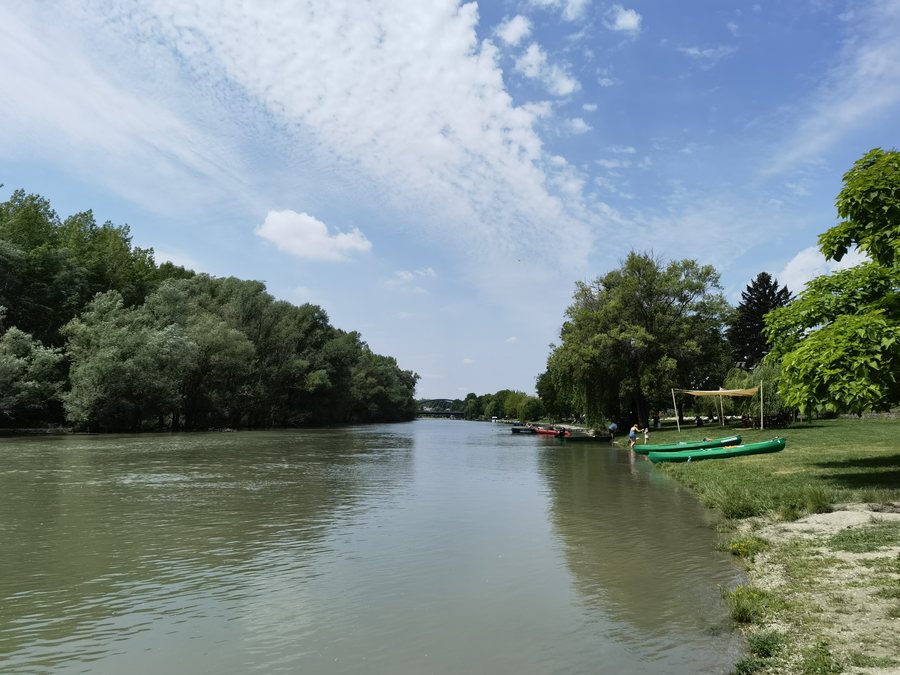
Halászi is located in Szigetköz on the banks of the Mosoni-Duna. Riverside walks, a cycling route that passes through the town and a competition celebrating traditional Szigetköz cuisine give this destination a distinct character.
Halászi at a glance
- Halászi is located in Szigetköz on the banks of the Mosoni-Duna.
- The 84-kilometre “Nagy kör a Szigetközön” cycling route passes through Halászi twice.
- Visitors can go for walks along the banks of the Mosoni-Duna.
- The Nepomuki Szent János Chapel stands near the Mosoni-Duna bridge and was built in 1895.
- Near Halászi, the road between Mosonmagyaróvár and Győr crosses the Danube.
What can you experience by the river and on a bike?
The “Nagy kör a Szigetközön” cycling route is described as being 84 kilometres long in total and passes through Halászi twice. This makes the town a recurring point along the route. The river offers a different way to experience the area: visitors can walk along the banks of the Mosoni-Duna. The two options are clearly distinct in format: a named cycling route with a specified total distance on the one hand, and a walk along the riverbank on the other. You can plan your trip according to whether you want to focus mainly on cycling or on spending time by the water.
What cultural themes shape Halászi?
The Szigetköz fish and game cooking competition in Halászi showcases and promotes the traditional cuisine of Szigetköz. According to the municipal website, the competition began in 2003 with the aim of establishing a tradition. Its theme connects Halászi as the event venue with the region’s culinary heritage.
The Nepomuki Szent János Chapel offers a different cultural and historical connection. It stands near the Mosoni-Duna bridge and was built in 1895. The town’s profile thus brings together different themes: regional food culture at the competition and architectural history, with a specific construction year, at the chapel. When planning your trip around your interests, you can consider these connections separately or as different facets of the town.
How does the location help with orientation?
Near Halászi, the road connecting Mosonmagyaróvár and Győr crosses the Danube. This road connection adds another geographical reference point to the town’s location on the banks of the Mosoni-Duna. The choice depends on your priorities: would you prefer to focus on walking by the river, take the cycling route into account or explore the local cultural themes?
What other themes does the Győr-Moson-Sopron region encompass?
The wider Győr-Moson-Sopron region also offers other landscape and cultural themes. The Fertő/Neusiedler See cultural landscape includes Eurasia’s westernmost steppe lake, as well as wetlands, saline soils, reed beds and shoreline areas. Lake Neusiedl forms the core of Fertő-Hanság National Park; the Hungarian part of the lake has been protected since 1977. Another cultural highlight is the Benedictine Archabbey of Pannonhalma, founded in 996. These examples broaden the regional comparison to include a protected lake landscape and monastic history; Halászi itself can be considered in terms of the Mosoni-Duna, the cycling route, regional cuisine and the chapel.
Discover more destinations: Dunakiliti-Tejfalusziget, Levél, Kimle, Hegyeshalom, Jánossomorja, Lipót, Feketeerdő and Hédervár.
FAQ
Where is Halászi?
Halászi is located in Szigetköz on the banks of the Mosoni-Duna.
How is the “Nagy kör a Szigetközön” cycling route connected to Halászi?
The 84-kilometre route passes through the town twice.
What local cultural themes are there?
The Szigetköz fish and game cooking competition showcases and promotes the traditional cuisine of Szigetköz. The Nepomuki Szent János Chapel near the Mosoni-Duna bridge was built in 1895.
For the broader travel overview: Mosonmagyaróvár.

