
Lipót – Thermal Baths, Nature and Baroque Art
Accommodation in Lipót
When planning a trip to Lipót, you can focus on different things: the thermal and leisure baths, nature around the lily-covered oxbow lake, or Baroque art in St. Clement’s Church.
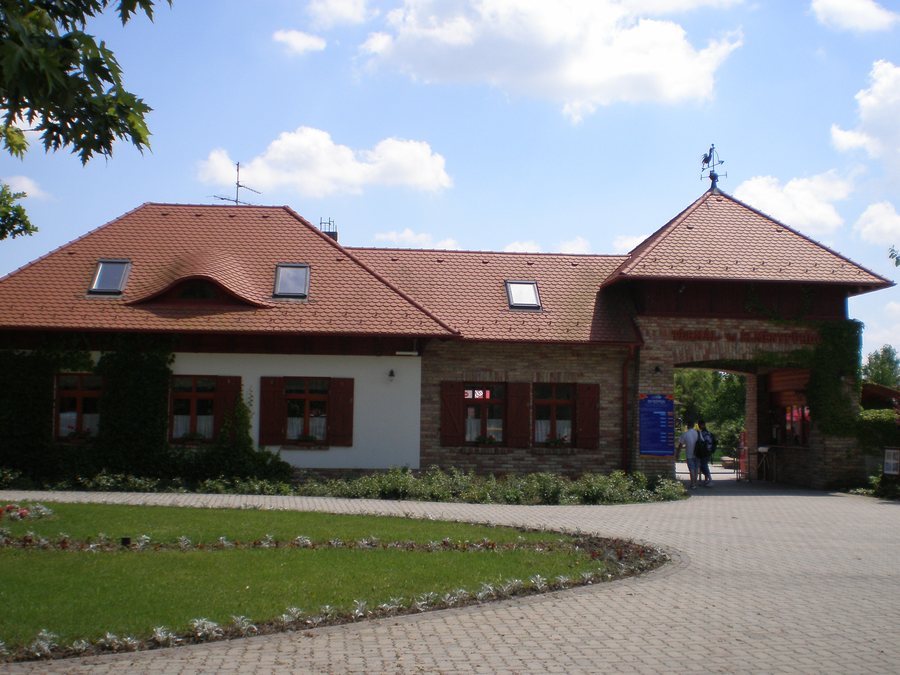 File:Lipót-Termálfürdő.JPG
Photo: Dr. Baranyi János (Bahusz at Hungarian Wikipedia) via Wikimedia Commons, CC BY-SA 3.0
File:Lipót-Termálfürdő.JPG
Photo: Dr. Baranyi János (Bahusz at Hungarian Wikipedia) via Wikimedia Commons, CC BY-SA 3.0
Lipót at a glance
- The thermal and leisure baths are Lipót’s main tourist attraction and feature six pools.
- North of the village, a 70-hectare oxbow lake covered with water lilies borders Lipót.
- St. Clement’s Church was completed in the Baroque style in 1777.
- The history of Lipóti Pékség began in Lipót in 1992 with a four-person team.
What does the thermal and leisure baths offer?
The fully renovated and expanded thermal and leisure baths bring together six pools. These include a 1,200 m² beach pool with a wave pool, a water amusement park and large slides. The thermal water was classified as medicinal water in 2004.
The baths’ landscaped grounds cover 10 hectares. Alongside swimming, visitors can enjoy beach volleyball, table tennis, badminton, massages and Aqua Zumba. The grounds also include a large playground and a water park. If you’re choosing where to stay based on leisure activities, you’ll find these options on the baths’ grounds in addition to the pools.
What does the oxbow lake north of Lipót offer?
The 70-hectare oxbow lake borders the village to the north and is covered with water lilies. A nature trail runs along its shore. Along the way, there are shelters for rain, rest areas and birdwatching hides. The oxbow lake is therefore a place to enjoy a trail, places to rest and opportunities for birdwatching.
Another natural attraction is the protected chestnut avenue on the road between Lipót and Darnózseli. The Kövecses Lake and Kengyártói Lakes are also listed as fishing waters in Lipót. The trail with its birdwatching hides and the listed fishing waters therefore appeal to different interests.
Which cultural and culinary spots define Lipót?
The history of Lipóti Pékség began in Lipót in 1992 with a four-person team. At the Lipóti bakery, traditional baking craftsmanship meets modern technology. The bakery also has a glass-enclosed gallery visitor center, which welcomes visitors during the summer holidays.
St. Clement’s Church was completed in the Baroque style in 1777. One of its most important works of art is a fresco attributed to Maulbertsch. The church also houses a Passion painting, which probably came from the Capuchin monastery in Mosonmagyaróvár. The bakery’s history and the church’s artworks offer different cultural points of interest for planning a trip.
Which other destinations can you compare?
If you’d like to compare other destinations, you can also visit Feketeerdő, Lébény, Hédervár, Mosonmagyaróvár, Jánossomorja, Halászi, Dunakiliti and Hegyeshalom.
FAQ
How large are the thermal and leisure baths?
The baths have six pools and 10 hectares of landscaped grounds. The beach pool covers 1,200 m².
What can you find at the oxbow lake?
The 70-hectare oxbow lake, covered with water lilies, borders Lipót to the north. A nature trail runs along its shore, with rain shelters, rest areas and birdwatching hides.
Which artworks are in St. Clement’s Church?
One of the most important works of art is a fresco attributed to Maulbertsch. The church also houses a Passion painting, which probably came from the Capuchin monastery in Mosonmagyaróvár.
When does the Lipóti Pékség visitor center welcome visitors?
The glass-enclosed gallery visitor center at the Lipóti bakery welcomes visitors during the summer holidays.
For the broader travel overview: Mosonmagyaróvári.

