
Ștefan Vodă District: Discover Nature, Wine and Culture
Accommodation in Ștefan Vodă District
Ștefan Vodă District combines the landscape along the Dniester with wetlands, viticulture, museums and historic sites.
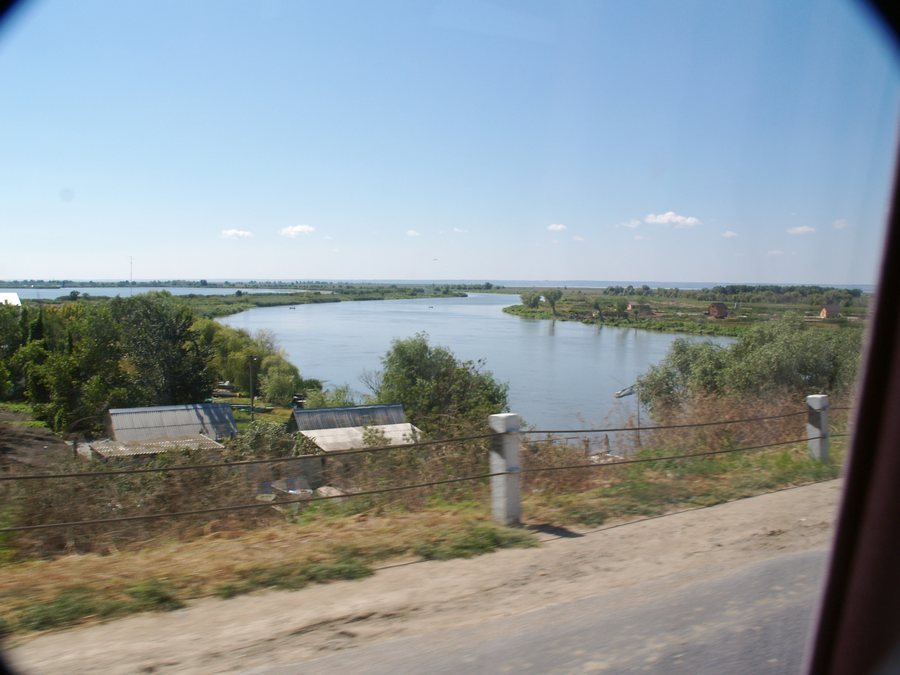
The natural area in Ștefan Vodă District includes the Nistrul de Jos National Park, also known as the Nistrul de Jos Ramsar Wetland, Lunca Talmaza, the Cioburciu–Răscăieți section and the Dniester meanders between Olănești and Crocmaz. Nistrul de Jos National Park encompasses the Nistrul de Jos Ramsar site, a wetland of international importance.
Several hiking and cycling trails run through Cioburciu, Răscăieți and Talmaza in Ștefan Vodă District.
Which natural and aquatic landscapes characterize the region?
Lunca Talmaza is a particularly diverse landscape. It includes a 24-hectare lake, a bend in the old riverbed, canals, ponds, marshes and floodplain meadows.
In Talmaza, the old riverbed Nistrul Orb, also known as Nistru Chior, is considered worth seeing because of its well-preserved wetland flora and fauna. There is also a nature observation point in the same locality.
Mlaștina Togai lies east of Crocmaz. The mixed nature reserve covers 50 hectares and is located 100 meters from the riverbed of the Dniester.
Râpa de Piatră lies northwest of Tudora on the right bank of the Dniester, 190 meters from the river, and covers 7.27 hectares. The area is a geological or paleontological natural monument in Ștefan Vodă District.
Where do the hiking and cycling trails run?
The Ștefan Vodă Wine Route provides a dedicated link between the wine and cycling themes: it can be explored by bicycle along the Chișinău–Palanca cycling route.
What makes the Ștefan Vodă wine region special?
The Ștefan Vodă wine region is influenced by the Dniester and its proximity to the Black Sea.
The wines of the Ștefan Vodă geographical wine region have been known outside the country since the 19th century.
At Château Purcari, the wines are paired with à la carte dishes. Château Purcari also offers tours of its historic wine cellar with a personal professional guide, information about the production process and a wine tasting.
Which museums and historic sites are there?
The Ethnographic Museum in Crocmaz has four themed rooms: Casa Mare, Gospodăria bunelului, Ecaterina Malcoci and Ograda țărănească.
Moara lui Tihon is a historic windmill attraction in Talmaza. It stood on a hilltop overlooking the Dniester Valley.
The La Bunici Museum in Tudora is a multifunctional museum housed in a small thatched cottage. In Ermoclia, Parascovia Cotoman has been weaving carpets for almost 50 years on a loom inherited from her grandmother, using an old technique.
What applies to the Express Tour?
Et Cetera’s Express Tour is offered for groups of four or more people.
How do you choose a suitable location for your hotel?
For comparing other destinations as part of your travel planning, you can also consider Orhei District, Transnistria, Leova District, Soldanesti, Causeni, Soroca District, Făleşti and Sîngerei District.
FAQ
How large is the Ștefan Vodă wine region?
The Ștefan Vodă wine region covers approximately 10,000 hectares.
How long is the Cioburciu–Purcari cycling route?
The Cioburciu–Purcari cycling route is 22 kilometers long.
When was the Ethnographic Museum in Crocmaz founded?
The Ethnographic Museum in Crocmaz was founded in 1986.
Which water route has been used for many years?
The Dniester–Black Sea water route has been used for many years.
For the overarching travel overview: Moldova.

