
Rimetea – Historic Architecture and Nature Trails
Accommodation in Rimetea
Culture
Rimetea showcases its architectural heritage through around 201 traditional buildings. Among them are 170 historic buildings with individual architectural and ethnographic value. The historic buildings are located along a historically valuable street grid divided into social quarters; they are arranged around squares and in rows. The traditional buildings represent five different traditional building types.
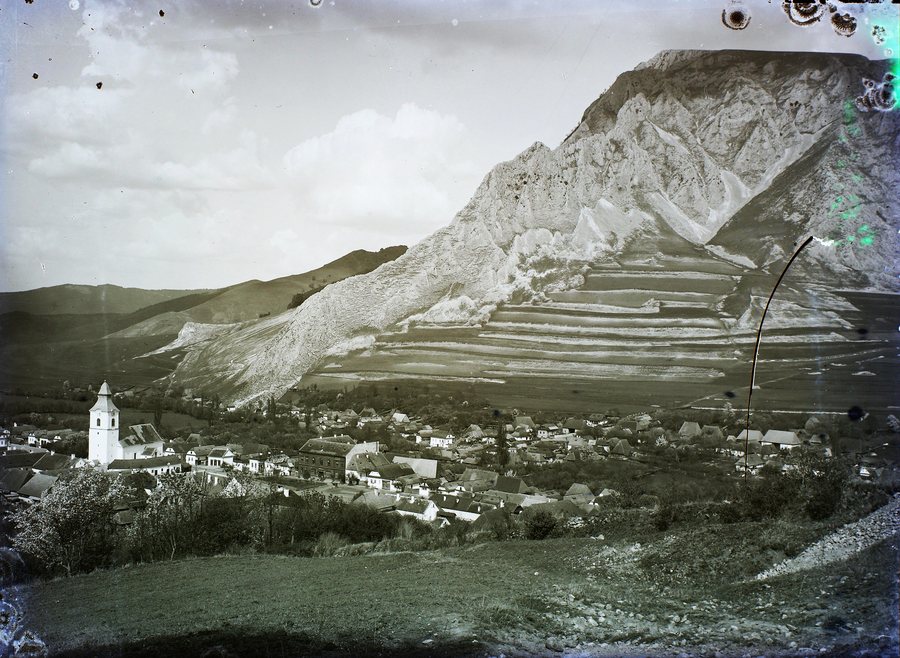 File:Torockó (Rimetea) község látképe, balra az unitárius templom, jobbra a Székelykő. Románia 1907. - Fortepan 86538.jpg
Photo: Photo: FOTO:Fortepan — ID 86538 : Adományozó/Donor: Magyar Földrajzi Múzeum / Erdélyi Mór cége. archive copy at the Wayback Machine
File:Torockó (Rimetea) község látképe, balra az unitárius templom, jobbra a Székelykő. Románia 1907. - Fortepan 86538.jpg
Photo: Photo: FOTO:Fortepan — ID 86538 : Adományozó/Donor: Magyar Földrajzi Múzeum / Erdélyi Mór cége. archive copy at the Wayback Machine
The homogeneous architectural ensembles are set in a natural landscape. A building dating from 1668 is considered the oldest rural building in the region. Traditional furniture, embroidery, traditional costumes and wrought-iron elements illustrate the local tradition of iron ore mining and ironworking. The village cemetery features a unique burial method as well as numerous historic gravestones representing various artistic styles. A mill dating from 1752 is considered the oldest mill of its kind in the Carpathian Basin.
The “Transcultural Apuseni” cultural route passes through Rimetea. The medieval fortress “Cetatea medievală de la Râmetea - Piatra Secuiului” is located at Piatra Secuiului in Râmetea.
Nature
Piatra Secuiului, known as Székelykő in Hungarian, is a mountain peak east of the village of Rimetea in the Trascău Mountains. Piatra Secuiului is part of the Trascău ROSCI0256 Natura 2000 site and is known for the biodiversity of rocky habitats, calcicolous flora and rare bird species.
Trails
The most frequently used access route to Piatra Secuiului is a hiking trail marked with a blue cross that starts in the village of Rimetea and is indicated as taking 3–4 hours. The themed trail “Minunile de la Rimetea” is located near the municipality of Rimetea and follows the hiking trail marked with a yellow triangle to the 14th-century iron mines. The trail includes six interactive panels about local nature and culture and covers the forest, meadows rich in butterflies, birds in the old orchard, and the role of water in nature. Its viewpoints offer views of Piatra Secuiului and Colții Trascăului. The two trails therefore differ not only in their markings but also in the type of information they provide: access to the summit is associated with a stated duration, while the themed trail conveys information about nature and culture through panels and viewpoints. This makes it possible to consider duration and focus separately.
Trail markings, stated duration and thematic focuses provide different points of comparison for personal planning.
More destinations
More destinations: Pleși, Ocna Mureș, Lancrăm, Bucium, Blaj, Pianu De Jos, Ampoița and Scărișoara.
When comparing hotels in Rimetea, you can view travel dates, room category and cancellation policies side by side on the offer pages. This information helps you clearly identify practical differences between offers before considering the destination’s cultural and landscape-related themes.
Custom
Fărșang is a custom practiced in Rimetea at the end of carnival; Rimetea is among the best-known places associated with this custom. During the festivities, young men of marriageable age go from household to household in the village and primarily parody a wedding, a funeral and a doctor. At the end of carnival, a straw effigy dressed in old clothes is burned as a symbol of spring.
To the main travel overview: Alba.
