
Discover Ohaba: Churches, Museums and Nature
Accommodation in Ohaba
Ohaba can be explored through its church and local history, nature observations and winter themes. Specific years, named personalities, museum collections and information about the municipality make the different facets of the place tangible.
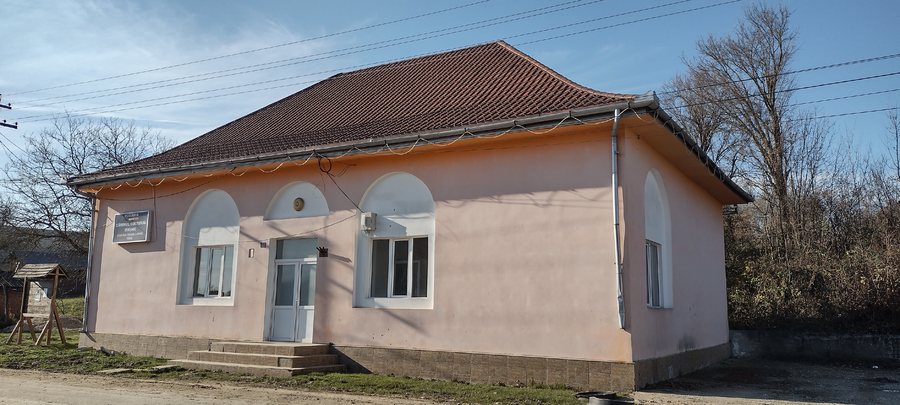 File:Căminul cultural, Ierșnic, comuna Ohaba lungă.jpg
Photo: Sinnrer via Wikimedia Commons, CC BY-SA 4.0
File:Căminul cultural, Ierșnic, comuna Ohaba lungă.jpg
Photo: Sinnrer via Wikimedia Commons, CC BY-SA 4.0
In Ohaba, church architecture, museum heritage, natural surroundings and a winter theme exist side by side. The individual details can be read according to the desired focus, without reducing the place to just one of these aspects.
Culture and Local History
Ohaba was first mentioned in 1372 in a document in connection with Ioan, the voivode of Transylvania. The first documented wooden church in Ohaba stood in the village cemetery; it was mentioned in 1815 and consecrated by Bishop Vasile Moga.
The Orthodox Church of Ohaba is dedicated to Saint Nicholas and was built in 1926 from donations by members of the community under the care of Priest Eugen Imbarus. The brick church in Ohaba, begun in 1926, was completed in 1927 and consecrated by Metropolitan Nicolae Bălan.
The upper Orthodox Church of Ohaba, dedicated to the holy archangels Michael and Gabriel, was built in 1934 and was formerly Greek Catholic. Next to the church in Ohaba stands a monument erected in 1977 to the village residents who fell in the First and Second World Wars.
Museums and Traditional Culture
The parish museum in the churchyard of the church in Ohaba was built in 1983. The ethnographic exhibition of the Orthodox parish is located at Ohaba No. 306.
The church museum of Ohaba includes a traditionally furnished peasant room with six mannequins showing the development of local traditional dress since the period before 1900. The church museum also contains religious and secular books, old books, pulpit books and Bibles from the 17th and 18th centuries.
The traditional winter custom “butoi” preserved in Ohaba involves the rhythmic striking of knives against scythes in orderly rows, accompanied by bells and spurs. Ohaba also has a ski slope called “Vârtoape”. Cultural, landscape and winter highlights can be weighted separately according to interest when planning your own trip.
Landscape and Activities
There are small mud volcanoes in the municipality of Ohaba, on the Secaș and near Roghina. Fishing is also possible in the Secașul Mic River within the same municipality. In Alba County, the Podișul Secașelor Natura 2000 site also includes Ohaba.
Getting There
The municipality of Ohaba is directly connected by road. One road connection leads from Ohaba via Berghin to Alba Iulia. Cunța is 20 km from the municipality of Ohaba and is one of the nearest CFR railway stations.
When choosing a hotel for Ohaba, travel dates, room category and cancellation conditions can be considered side by side as practical points of comparison. The cultural character of the place, with its churches, museums and traditional winter custom “butoi”, remains visible as a separate focus without combining the landscape and winter themes of the place.

