
Cotmeana: Monasteries, Churches and Nature
Accommodation in Cotmeana
Culture
Cotmeana combines several historic churches and monastic complexes with a richly documented architectural history. The Mănăstirea Cotmeana Monastery was first founded by Radu I before 1385 and rebuilt by Mircea cel Bătrân between 1387 and 1389. It preserves the oldest church in a surviving monastic complex in Romania.
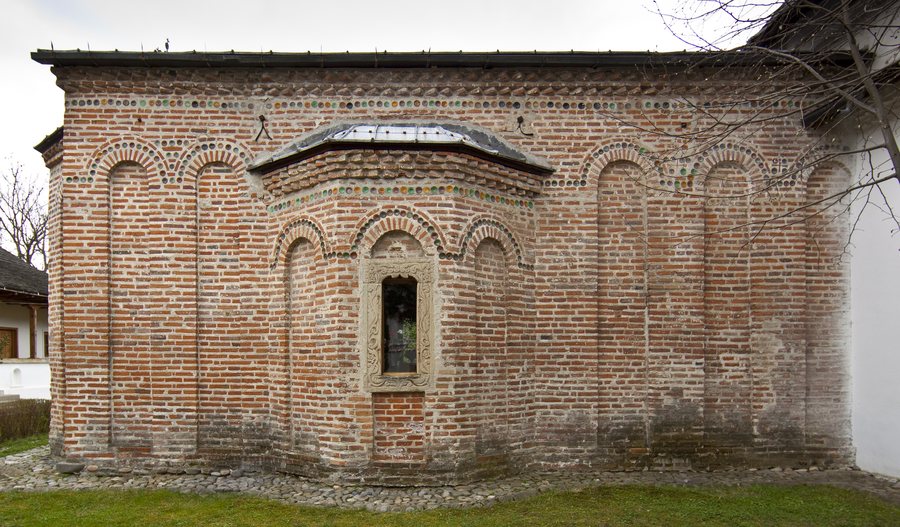
The “Buna Vestire” Church in Mănăstirea Cotmeana dates from 1389, was restored and extended in the 17th century, and has a three-apse layout. Its founding period, later restoration and architectural form thus represent different stages that can be considered separately.
In the municipality of Cotmeana, Mănăstirea Bascovele dates from 1695; it was founded by Șerban Cantacuzino. The church of Mănăstirea Bascovele was destroyed by an earthquake in 1835 and rebuilt in 1843. These dates make the impact of the earthquake visible just as clearly as the subsequent reconstruction.
Other religious buildings are also part of the local history. The “Intrarea în Biserică” Church in Ursoaia was once the church of Schitul Bascovele and dates from 1695. The “Adormirea Maicii Domnului” Church in the former settlement of Grajduri, now Bascovele, dates from 1795. The names and historical status therefore remain part of the respective classification.
Nature
The municipality of Cotmeana is part of the Platforma Cotmeana Natura 2000 site (ROSCI0354). The Cotmeana River is one of the municipality’s most important waterways. The protected-area designation and the river course thus represent two distinct natural features within the municipality.
For orientation within the locality, these details can be read separately from the churches and monasteries: The protected area identifies the broader natural environment, while the Cotmeana River denotes a specific watercourse within the municipality.
Geographical Setting
Mănăstirea Cotmeana is located in the municipality of the same name on the road between Pitești and Râmnicu Vâlcea. The road route is therefore just as much part of the geographical setting as the connection to the municipality.
The ecumenical route to Mănăstirea Cotmeana is a pilgrimage route along which visitors can discover the history and architecture of old churches and monasteries in Argeș County. It combines the religious and architectural-historical focus of the route with a clearly defined type of route.
After continuing along DN 7, the ecumenical route leads to Mănăstirea Cotmeana; it is located 32 km from Pitești. The road route, type of route and distance thus provide different details for understanding the journey.
The local history, natural features and route each therefore set their own priorities: The churches and monasteries represent various architectural and historical periods, the Natura 2000 site and the river represent the landscape, while DN 7 and the distance define the geographical framework of the pilgrimage route.
Community Life
Cotmeana Community Day takes place on March 25 and includes an annual fair. The date supplements the historical and geographical details with a fixed event in community life.
In Cotmeana, years from 1385 to 1795, the reconstruction after the 1835 earthquake, the Platforma Cotmeana natural area, the Cotmeana River and the route via DN 7 stand side by side. Each of these references describes a separate aspect of the locality, without merging the monastery, nature and route topics into a single statement.

