
Cuza Vodă between Natural Landscape and Village History
Accommodation in Cuza Voda
Cuza Vodă can be viewed from two different perspectives: the landscape around the water and the history of the village. Those who consider nature, culture and seasonal topics separately can organize their own travel interests more clearly.
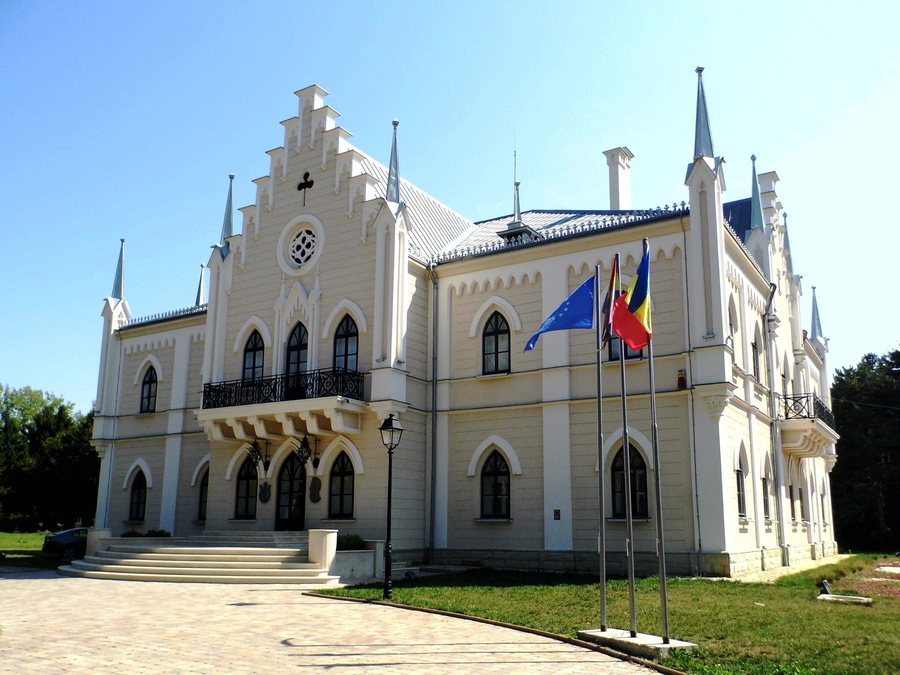 File:Palatul Cuza Vodă de la Ruginoasa, Iași, România.jpg
Photo: Gabriel Todica via Wikimedia Commons, CC BY-SA 4.0
File:Palatul Cuza Vodă de la Ruginoasa, Iași, România.jpg
Photo: Gabriel Todica via Wikimedia Commons, CC BY-SA 4.0
Landscape and Nature Conservation
Lake Iezer is of natural origin. The Iezerul Călărași protected area is a lowland wetland with open water surfaces, running waters, lakes, marshes, reed beds, meadows and agricultural land. It provides migratory and passage birds, including rare and legally protected species, with conditions for breeding, feeding and staying.
Since July 2012, the Iezerul Călărași nature reserve has been protected under the Ramsar Convention as a wetland of international importance. The Natura 2000 area ROSPA0051 Iezerul Călărași is a special protection area for birds located 21 percent within the administrative territory of the commune of Cuza Vodă, 15 percent within the city of Călărași and 2 percent within the commune of Grădiștea. A cycle tourism route runs in the immediate vicinity of the Natura 2000 area Iezerul Călărași. For personal planning, the natural landscape, bird protection and cycle route can be considered as separate focuses alongside one another.
History and Culture
The village of Cuza Vodă was established through the allocation of land to farmers, which began in 1899. The Dridu settlement lies on the northern edge of the former Lake Călărași, opposite the village of Ceacu and 400 metres east of Furt Valea Plopului.
The memorial plaque “Monumentul eroilor căzuţi în Al Doilea Război Mondial” commemorates 128 soldiers who fell in the war of 1944–1945. The monument “Monumentul eroilor căzuţi în Al Doilea Război Mondial” consists of a white marble slab on a four-tiered plinth and is decorated along the edges with botanical and floral motifs.
The “Biserica Sf. Ioan Botezătorul” church in Cuza Vodă was built between 1907 and 1914; it was painted in 1912. The folk theatre play “Jienii” is associated with a performance in the village of Cuza Vodă on the occasion of the winter holidays; its main character is Iancu Jianu. The “Zilele Comunei Cuza Vodă” are held annually in summer. Those comparing cultural topics can distinguish between memorial sites, architectural history and seasonal event themes.
Roads and Connections
National road DN3 runs through the commune of Cuza Vodă and connects Călărași with Bucharest. County road DJ306 branches off near Ceacu and connects the commune of Cuza Vodă northwards with Dragoș Vodă, where it joins DN3A. For personal travel planning, transport routes and the selection of individual excursion destinations can be treated as separate questions.
When comparing hotels for Cuza Vodă, you can place travel dates, room category and cancellation conditions side by side on the offer pages. This allows specific offer details to be considered separately from the town’s nature, culture and event topics.
More Local Pages
Olteniţa, Budesti, Belciugatele, Frăsinetu de Jos, Călăraşi, Ciocănești
To the higher-level travel overview: Călăraşi.

