
Tureni – Turenilor Gorge and Historical Traces
Accommodation in Tureni
Trails
From the higher-lying village of Tureni, the Turenilor Gorge can be reached via hiking trails. Those who follow the route through the gorge take a difficult trail marked with a blue triangle. A second option is the trail on the left side of the gorge, marked with a blue dot. Trail 31, marked with a blue stripe (“Bandă Albastră”), is the shortest walking connection between Tureni and the Turda Gorge; its general direction runs from north to south. For gorge routes, travellers should check the current trail conditions before setting out. Before a gorge tour, travellers should check the current trail conditions and compare the chosen marking with the intended route. For church visits, current opening hours should be checked before arrival and taken into account when planning the day.
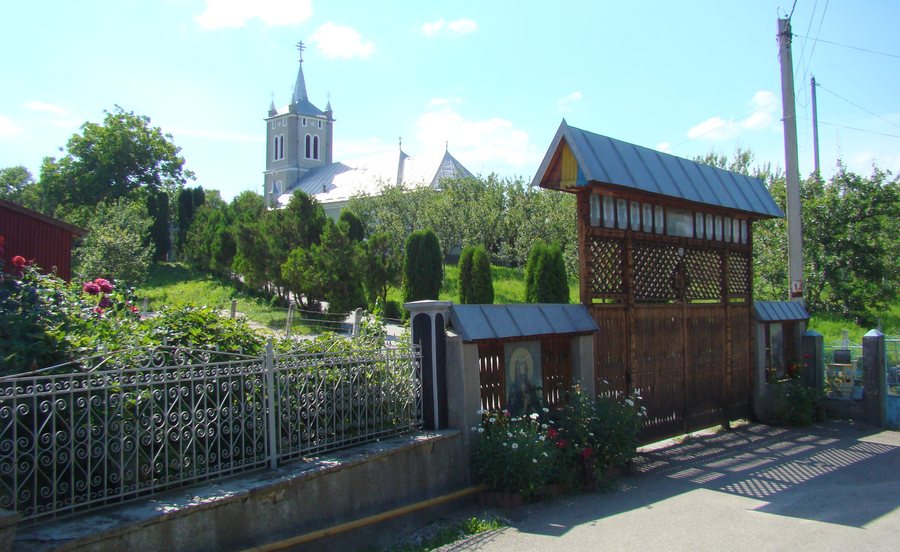 File:Biserica ortodoxa din Tureni (1).JPG
Photo: Țetcu Mircea Rareș via Wikimedia Commons, CC BY-SA 3.0
File:Biserica ortodoxa din Tureni (1).JPG
Photo: Țetcu Mircea Rareș via Wikimedia Commons, CC BY-SA 3.0
Nature
The Turenilor Gorge, also known as the Turului Gorge, is a 25-hectare nature reserve. It lies north of the city of Turda in Cluj County and was designated a floristic nature reserve of national interest with mixed value.
The Turenilor Gorge is 1,850 metres long. Its walls are 100 to 150 metres high and feature karst formations, including waterfalls, plunge pools and caves. The Turenilor Gorge was formed by the Pârul Racilor stream in Jurassic limestone. Thus, geological formations and rare plant species come together in the gorge. In addition to the karst formations, rare plant species are part of the gorge’s natural environment.
The 29 caves include Peștera cu Silex, which is 64 metres long, and Peștera de sub grohotiș, which is 27.5 metres long. There are also Peștera Vulturilor and Șura Mică. Rare plant species such as Sorbus dacica, Seseli elatum ssp. osseum and Silene otites occur in the same natural environment.
The Turenilor Gorge also has the themed trail “Aventură în epoca de piatră”, established by Potaissa Junior Ranger.
History
Tureni has been documented since 1276. Human settlement dates back to the Neolithic; most finds were made in the area of the Turenilor Gorge. Archaeological research in the Turenilor Gorge led to the discovery of 53 settlement complexes between 1985 and 1988. These settlement complexes date from the Middle Neolithic onward.
Culture
The Biserica Ortodoxă Română Tureni bears the patronage of “Sfânta Treime”. It was built in 1881 as a nave-shaped church with a brick-and-stone half-vault. Its iconostasis is made of wild cherry wood and was carved by Gheorghe Căienar from Cluj-Napoca. For church visits, it is advisable to check the current opening hours before arrival.
Other Places
Other places: Dealu Negru, Someșu Cald, Frata, Sic, Huedin, Gilău, Moldovenești, Săvădisla
To the higher-level travel overview: Cluj-Napoca.

.JPG)