
Sic – Churches, Dance Tradition and Nature Reserve
Accommodation in Sic
Sic can be explored through three different themes: architecture, nature and regional dance tradition. For trip planning, it is helpful to consider them separately, as the churches, museum and nature reserve each have different areas of focus.
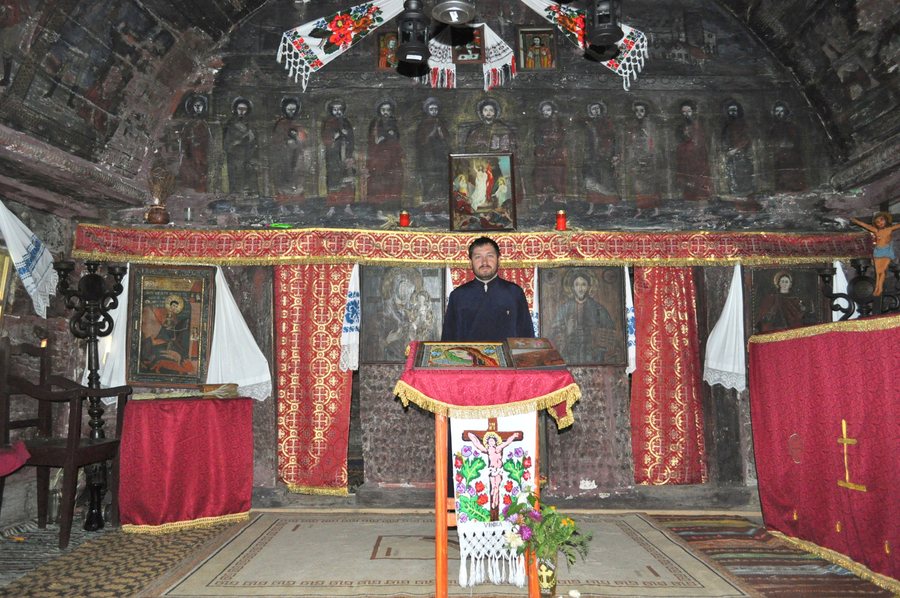 File:RO CJ Biserica de lemn din Sic (38).JPG
Photo: Țetcu Mircea Rareș via Wikimedia Commons, CC BY-SA 3.0 ro
File:RO CJ Biserica de lemn din Sic (38).JPG
Photo: Țetcu Mircea Rareș via Wikimedia Commons, CC BY-SA 3.0 ro
Culture
The Biserica de lemn din Sic dates from 1731. It was built from oak beams joined using dovetail and straight notch joints. Four glass icons on the iconostasis belong to the Nicula school. Here, the year of construction, craftsmanship and sacred visual art can be distinguished as three separate points of reference.
The Biserica Reformat-Calvină Sic is an architectural monument with Gothic stylistic features. In 1555, a synod of the Reformed churches of Transylvania was held there. Fragments of 14th-century frescoes have also been preserved there. The architectural form, church history and surviving paintings represent three distinct historical layers.
The historical references differ: one church is characterized by its materials and joining techniques, the other by its style, synod and frescoes. The museum adds dance and the footwear used for it to this perspective. This kind of structure keeps the differences between the individual stops visible.
The Muzeul Dansului Sic comprises a museum collection dedicated to the traditional dances of Sic; it displays a collection of 460 pairs of boots used in traditional dance. The dance theme and the exhibits represent two distinguishable approaches to local culture.
Casa satului is a traditional thatched-roof house and is among the sights in Sic promoted for tourism by the local community. In addition to religious buildings and the museum, the cultural selection also includes a traditional residential building.
Nature
The Stufărișurile de la Sic nature reserve is a nature reserve of national interest in the Fizeș Basin, which is also known as the Transylvanian Delta.
The area protects migratory bird species that breed and live in wetlands with abundant reeds and cattail vegetation. It has a themed trail in the form of a boardwalk built on wooden posts, with two pavilions and an observation tower. When planning, protected bird species, typical wetland vegetation and the design of the trail can be considered as different aspects of nature. The protection status, birdlife, vegetation and trail design thus represent different layers of the same topic.
When comparing hotels in Sic, you can first check the travel dates, room category and cancellation conditions side by side on the booking page. These three details provide an objective framework for planning your stay without reducing the choice between churches, the museum and the nature reserve to a single expectation.
More local pages: Băișoara, Moldovenești, Jucu de Sus, Nădăşelu, Margau, Lunca Vişagului, Dej, Turda
Tradition
Dance and food can be considered two related but separate cultural themes in Sic. At the folk dance camp held in Sic, cooking competitions were part of the two-day closing programme.
For the overarching travel overview: Cluj-Napoca.

.JPG)