
Găești – Culture, History and Parcul Central
Accommodation in Găești
Găești combines a named cultural centre, historic buildings, a central green space and rail connections with Bucharest and Pitești. This brings different themes together for a stay: the exhibition at the “Gheorghe Zamfir” Cultural Centre, cultural events, the city’s history, Parcul Central, the city library and travel by train.
Culture and Historic Buildings
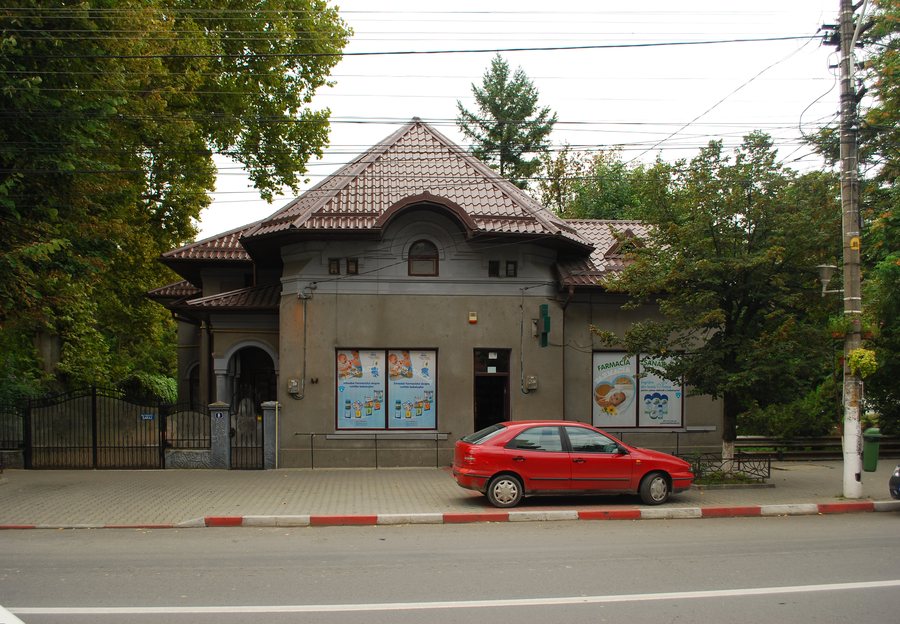
The “Gheorghe Zamfir” Cultural Centre is located in Găești in Casa Ciubuc, a historic monument. The permanent exhibition includes personal items belonging to the artist, trophies and awards, posters, documents and stage costumes. The individual exhibition groups show different aspects of his artistic work.
The cultural offerings also include the “Dumitru Stănciu” Cultural House in Găești. It hosts artistic events, performances, exhibitions and educational activities. Another historic monument in Găești is the Biserica “Sf. Nicoiae” (Boanga), a Byzantine-Wallachian Orthodox church building erected in 1812. The cultural centre, cultural house and church therefore differ in their collections, event offerings and architectural history.
History and Cultural Heritage
Găești was first documented on 19 July 1498. Archaeological finds from Găești belong to the Gumelnița culture of the Late Neolithic. Another historical turning point followed when Găești temporarily became the capital of Dâmbovița County after Târgoviște was burned down during the Turkish War in the Austro-Turkish War of 1736 to 1739.
The “Grigore Olănescu” manor house in Găești was built in 1890 and is part of the city’s cultural heritage. The years 1498, 1736 to 1739 and 1890 place different periods and events in the city’s history: the first documented mention, its temporary political significance and the construction of the manor house.
Parcul Central
Parcul Central is Găești’s most important green space for recreation, walks and relaxation. The park has footpaths and play areas. It therefore includes both paths for walking and designated areas for staying and playing; these features complement the cultural and historical attractions with a public space in the city.
Library and Everyday City Life
The “Aurel Iordache” City Library offers the lending of books for home use and access to the reading room. It is named after Aurel Iordache, a writer and monographer from Găești. Its two forms of use and the history behind its name are distinct points of reference in everyday city life.
Travel by Train
Găești is connected by rail with Bucharest and Pitești; a passenger and freight railway station is located within the city’s administrative area. The rail connections therefore represent a separate practical aspect alongside culture, history, the library and the park. When comparing hotels in Găești, the travel period, room category and cancellation conditions can be checked separately based on the information provided in each case.
Other Places
Other places: Fieni, Moroeni, Crevedia, Târgovişte, Corbii Mari, Pucioasa, Cazaci, Tătărani.
For the higher-level travel overview: Dimbovita.

