
Hățăgel: Stone Crosses, River and Village Culture
Accommodation in Hățăgel
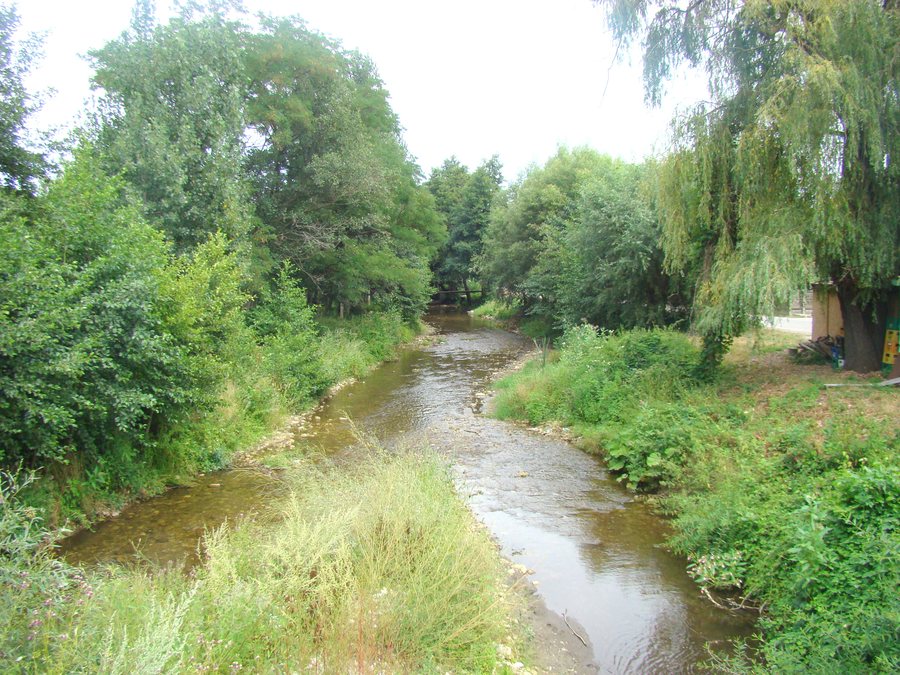
In Hățăgel, ancient stone crosses, religious heritage and the Grădina Ulpia Christiana open-air museum are set against a settlement divided in two by the Galbena River. If you are planning a stay, these features offer concrete clues to the character of the place: Hățăgel can be discovered through its cultural traces as well as its physical layout.
Hățăgel at a glance
- The Galbena River flows through Hățăgel, dividing the settlement in two.
- County road DJ 687 C connects Hățăgel with the commune center.
- The Nedea “Duminica Mare” is associated with the first Sunday after Pentecost.
What cultural traces shape Hățăgel?
The “Duminica Tuturor Sfinților” church belongs to the Hățăgel parish and was consecrated on May 28, 2017. The ancient stone crosses offer another cultural point of reference. Large stones have been placed on a hill at the entrance to Hățăgel from the direction of Roman Sarmizegetusa, with ancient crosses leaning against them. Other stone crosses have been preserved along the road through Hățăgel, in the fields and at the settlement’s boundaries.
One of the crosses was erected in memory of Romanian soldiers who died on the front lines of the First World War. The village landscape thus includes both a dated religious landmark and historical memorials at several locations. If you are interested in the local culture, you can consider these distinct forms without treating them as a single monument site.
What can you expect at Grădina Ulpia Christiana?
The garden in front of Daniil Stoenescu’s family home was transformed into an open-air museum and named Grădina Ulpia Christiana. Its collection includes millstones, river stones, remains of ancient and funerary monuments, and petrified fossils. The different groups therefore range from worked stones to monument fragments and fossils. This sets the garden apart from the stone crosses preserved at various locations throughout the settlement and along its boundaries.
This contrast can help you find your bearings: the garden brings together several types of objects in one named location, while the crosses are scattered across different parts of Hățăgel. The open-air museum’s collection and the individual memorials in the village thus offer distinct cultural points of reference. Which interests you more depends on whether you want to focus on a variety of object types or on the distribution of historical markers throughout the village.
How do the river and connections shape the village?
The Galbena flows through Hățăgel, dividing the settlement in two. The river is therefore not just a landscape feature; it is part of the village’s physical layout. Together with the scattered stone crosses, it provides a way to orient yourself that takes account of both the settlement’s structure and its cultural points of reference.
County road DJ 687 C connects Hățăgel with the commune center. This provides a concrete point of reference for initial travel planning in terms of the village’s connection to the commune. If you are considering Hățăgel as a place to stay, you can weigh its cultural attractions and the settlement divided by the Galbena as separate aspects of your choice.
What timing does the Nedea offer?
The Nedea “Duminica Mare” in Hățăgel is associated with the first Sunday after Pentecost. This gives visitors interested in culture a specific calendar reference: the timing is determined by its relation to the feast of Pentecost. If you want to plan your trip around this cultural event, take the date of Pentecost into account.
Discover more destinations: Şoimuş, Sarmizegetusa, Gurasada, Peştera, Vața De Jos, Câmpu Lui Neag, Râu Bărbat, Teliucu Inferior.
FAQ
When was the “Duminica Tuturor Sfinților” church consecrated?
The church of the Hățăgel parish was consecrated on May 28, 2017.
What does one of the stone crosses commemorate?
It was erected in memory of Romanian soldiers who died on the front lines of the First World War.
How was Grădina Ulpia Christiana established?
The garden was established after Daniil Stoenescu followed an alleged exhortation by Arsenie Boca to speak with stones.
Go to the main travel overview: Hunedoara.

