
Tomeşti: Churches, Monastery and Nature
Accommodation in Tomeşti
In Tomeşti, the Church of “Sfântul Ioan Evanghelistul” is a cross-shaped brick building. It is 25 metres long and 7 metres wide; in the area of the apses, its width is 11 metres.
Culture
The interior of the Church of “Sfântul Ioan Evanghelistul” and the open porch were painted in 2004. The different dimensions, architectural forms and dates provide objective points of comparison between the religious buildings in the locality.
Vlădiceni Monastery is located in the village of Vlădiceni, within the Tomeşti commune, on the historic site referred to in the chronicles as “Poiana Vlădicăi”. The bell tower stands at the entrance to the monastery complex, which is surrounded by a stone wall. It has an upper floor and a wide opening.
According to tradition, in 1415 Prince Alexandru cel Bun and Metropolitan Iosif Mușat encountered a procession carrying the relics of Saint John the Great Martyr of Trebizond at the site of today’s Vlădiceni Monastery. The clearing there was given the name “Poiana Vlădicăi”, which also appears in the chronicles.
The “Ivirita” icon returned to Vlădiceni Monastery in November 2010 and is located in the left part of the naos of the main church. It was painted on Mount Athos in 1930; both the icon and the stand framing it are made of yew wood.
The wooden Church of “Întâmpinarea Domnului” in the village of Tomeşti bears the date 1771. The village of Goruni is also home to the branch church of “Sfântul Nicolae”, which is made of wood and masonry. The Catholic parish of Tomeşti was founded in 1997.
Nature
The ROSPA-0042 “Pădurea Bârnova” Natura 2000 site is located within the Tomeşti commune. Two oaks in the village of Vlădiceni are protected as natural monuments and are more than 300 years old. The centuries-old oak of Vlădiceni is one of the local visitor attractions.
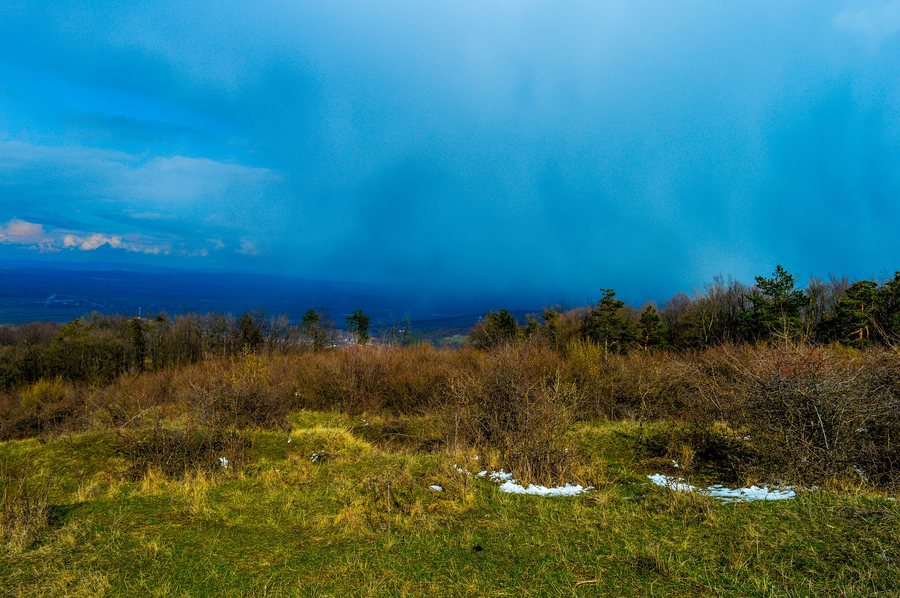
Vlădiceni Monastery lies at the foot of a wooded hill. From this hill, the entire industrial district of the city of Iași can be seen. The wooded areas in the south of the commune could offer the commune’s residents opportunities for recreation.
Geographical location
The DN 28 crosses the Tomeşti commune and connects Iași with Vama Albița. From there, the route continues to Chișinău. The connection establishes a clear geographical link between Tomeşti, Iași, the border route and the Moldovan capital.
An agro-food market operates in the commune seat of Tomeşti, where local and other goods are traded. For a hotel in Tomeşti, you can compare the respective offer pages, particularly the travel dates, room category and cancellation conditions; these three details can be objectively compared side by side and weighed according to your travel plans before making a decision.
Community life
The Catholic community in Tomeşti organises meetings, processions, ecumenical celebrations and interfaith camps. An illuminated cross and an ecumenical chapel stand on Dealul Ceriului.
Pottery and willow weaving are considered traditional local practices in Tomeşti. The various cultural, natural and community-related topics can be considered separately when planning, depending on whether buildings, landscapes, regional goods or community activities are the main focus.
Other places: Alexandru Cel Bun, Deleni, Roşcani, Hândrești, Valea Adâncă, Valea Lupului, Miclăușeni, Buhalnița
To the higher-level travel overview: Iasi.

.jpg)