
Targu Mures: Culture, Citadel and Cornești Plateau
Accommodation in Targu Mures
Targu Mures combines important cultural sites with the extensive paths and viewpoints of the Cornești Plateau. For your trip planning, the history of libraries, art, fortress architecture, regional archaeology and active experiences in nature come together here.
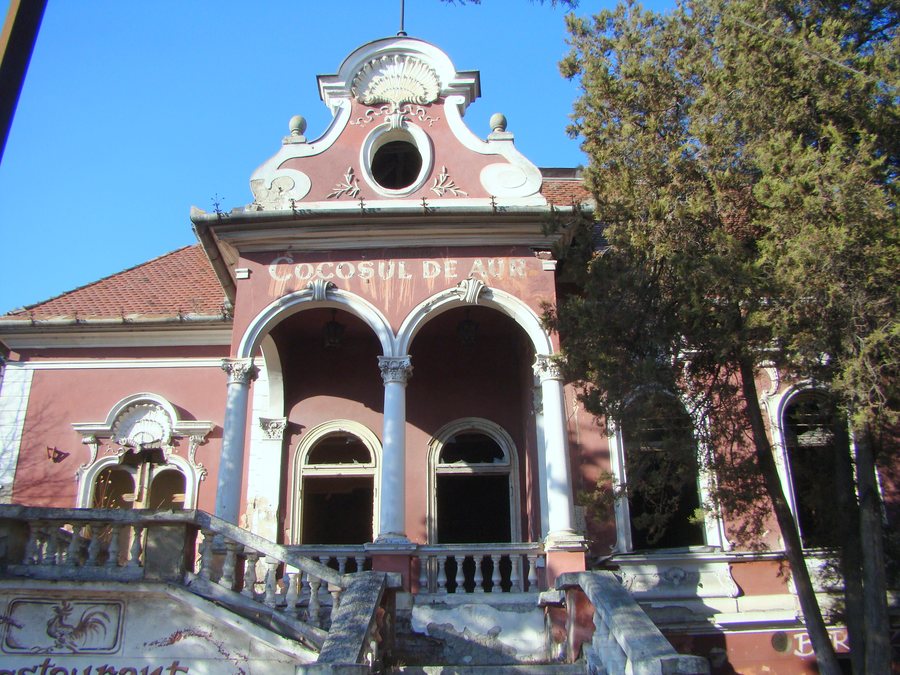 File:RO Targu Mures Casa Burger (1).jpg
Photo: Țetcu Mircea Rareș via Wikimedia Commons, CC BY-SA 4.0
File:RO Targu Mures Casa Burger (1).jpg
Photo: Țetcu Mircea Rareș via Wikimedia Commons, CC BY-SA 4.0
The Cornești Plateau can be reached on foot, by bicycle, car or bus. The bus operates in summer. On the plateau, long walks lead along avenues and through the surrounding forests; at a designated viewpoint, you can admire the city panorama.
For active days, the Cornești Plateau offers a modern playground, a fitness park, running and cycling paths, as well as a renovated amphitheatre. This allows you to vary how you spend your time there: a walk can be combined with exercise, a cycling tour or a break at a viewpoint. Families will find a dedicated focus in the playground, while the running and cycling paths appeal to other interests.
The observation tower in the Târgu-Mureș Zoo also provides a special highlight. From above, visitors can look out over the forest and the animals.
Which cultural sites shape the visit?
The Teleki Library focuses on the history of books and education. It is an encyclopaedic and scholarly book collection founded by Sámuel Teleki and open to everyone. Count Teleki Sámuel opened the first public library in Transylvania in 1802. The site therefore represents not only a collection of books, but also the historical aspiration to make knowledge publicly accessible.
The collection includes incunabula, famous Bibles and hand-painted atlases from the 17th century. These different types of objects make the library particularly interesting for visitors who wish to view historical books, religious prints or old depictions of the world in a cultural context. The Bolyai Museum expands this focus to include the history of mathematics: it was founded in 1937 and displays preserved personal belongings of the two mathematicians.
At the Palace of Culture, you can visit the foyer, staircases, Hall of Mirrors, Small Hall and Great Hall. There are also the Hungarian Classical Art Gallery, the Modern Romanian Art Gallery and commemorative exhibitions dedicated to the mayors Dr György Bernády and Dr Emil Dandea. The Palace of Culture thus combines interior spaces, art collections and commemorative exhibitions in a single visit. Depending on your interests, you can focus on architecture, Hungarian classical art, modern Romanian art or the two commemorative exhibitions.
What do the Citadel and museum reveal about the region?
The medieval Citadel offers a distinct gateway to the history of Targu Mures. The present complex was built in the 17th century on the site of an older fortification dating from 1492. Its pentagonal layout and seven bastions give the complex a clearly recognisable fortress structure. The Citadel has been completely renovated, allowing its historical form and renewed structural condition to be viewed together.
In the Citadel, the Archaeological and Historical Museum presents the history of the region, its cultural heritage and the area’s archaeological heritage. Those interested in the development of the area can thus combine architecture, the museum and the Citadel’s layers of history without limiting themselves to a single era.
The Bolyai Museum is also part of the historical cultural offering. The memorial room is now located on the ground floor of the Teleki Library building. This creates a direct spatial relationship between the library building and the history of mathematics: the personal belongings of the two mathematicians have not merely been preserved as a collection, but are displayed in this memorial room within the Teleki Library building.
How can culture and nature be combined when planning your hotel stay?
You can choose a hotel in Targu Mures according to the focus of your trip, without assuming a particular location or range of amenities. Those interested in culture can include the Teleki Library, Palace of Culture, Citadel and Archaeological and Historical Museum in their plans. For days outdoors, the Cornești Plateau, its avenues, the surrounding forests, the running and cycling paths, as well as the observation tower in the Târgu-Mureș Zoo are the main attractions.
For couples or families, combining culture and exercise can make daily planning straightforward: visits to interiors, galleries or historic sites can be paired with walks, cycling paths, the playground and fitness park. The specific focus remains open and can be chosen according to your interests. Those wishing to explore art and architecture in greater depth will find several areas in the Palace of Culture; those who prefer nature and observing animals can combine the plateau with the zoo’s observation tower.
If you would like to compare Targu Mures with other destinations, you can also include Saschiz, Absdorf, Gheorghe Doja, Chibed, Bistra Mureşului, Eremitu, Trei Sate and Hetiur in your further travel considerations.
FAQ
How do you reach the Cornești Plateau?
The Cornești Plateau can be reached on foot, by bicycle, car or bus.
What special holdings are kept in the Teleki Library?
The collection includes incunabula, famous Bibles and hand-painted atlases from the 17th century. The library is an encyclopaedic and scholarly book collection founded by Sámuel Teleki and open to everyone.
What is the medieval Citadel’s layout?
The present medieval Citadel was built in the 17th century on the site of an older fortification dating from 1492. It has a pentagonal layout and seven bastions and has been completely renovated.
What does the Bolyai Museum display?
The Bolyai Museum, founded in 1937, displays preserved personal belongings of the two mathematicians.
To the overarching travel overview: Mures.

.jpg)