
Agapia Between Monastic Culture and Forest Landscapes
Accommodation in Agapia
A specific cultural landmark in Agapia is the historic Agapia Monastery: its restoration was completed at the beginning of 2009; it was subsequently reopened to tourist and ecumenical visitors.
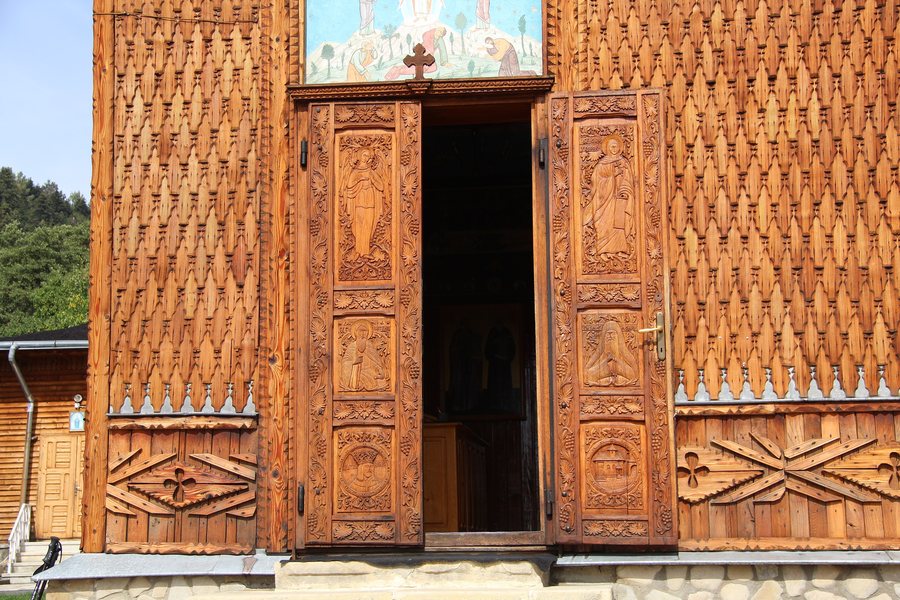
Culture
The murals by Nicolae Grigorescu at Agapia Monastery were painted between 1858 and 1862. The monastery museum has four rooms displaying religious objects: icons from the 16th to the 18th century, old carved and filigree crosses, manuscripts, and old printed works.
The Alexandru Vlahuță Memorial House is located in the monastic village of Agapia, where the writer Alexandru Vlahuță was born and spent his childhood. The Agapia Veche Hermitage dates from the second half of the 14th century. The new Agapia Monastery was built between October 16, 1642, and September 3, 1644, and consecrated on September 12, 1647.
The Agapia Monastery ensemble is included on the list of historic monuments of Neamț County. When comparing the cultural sites, different focal points stand side by side: architectural history, painting, religious objects, and literary history.
When comparing hotels in Agapia, you can compare travel dates, room categories, and cancellation policies on the offer pages. Within the same planning framework, the topics of monasteries, forest reserves, nature parks, and routes can be objectively considered side by side and arranged according to your own priorities.
Further destinations for your travel planning can be found under Tupilaţi, Schitu Tarcău, Bodești, Mânastirea Agapia, Văratec, Piatra Neamţ, Roman and Trifești.
Nature
The protected forest area of Codrii de Aramă in the municipality of Agapia is associated with oaks, specifically sessile oaks. The Codrii de Aramă nature reserve covers 10.2 hectares and consists predominantly of approximately hundred-year-old oaks. It is located on Filior Hill near the village of Agapia at an altitude of between 550 and 650 metres.
Pădurea de Argint is a mixed forest nature reserve of approximately 2.4 hectares with birch trees; many of the trees are over 100 years old. Vânători-Neamț Nature Park also includes the municipality of Agapia and serves to protect the natural, spiritual, and cultural heritage of the region.
When planning nature activities, tree species, area sizes, and elevations can be viewed as different points of comparison. The combination of forest reserves and the nature park keeps several topics side by side: forest landscapes, regional nature, and the natural, spiritual, and cultural heritage.
Routes
The Monks’ Route is a 22-kilometre route that begins at Agapia Monastery and the Agapia Veche Hermitage. For personal planning, the route length provides a different reference point from the themes of monasteries, paintings, and collections.
Geographical Location
The DN15C national road crosses the municipality of Agapia; the secondary roads DN15F and DN15G are part of this connection between Piatra Neamț and Fălticeni.
The municipality of Agapia lies at the foot of the Moldavian Subcarpathians in the Ozana–Topolița Depression, on the Filioara and Agapia rivers.
For the higher-level travel overview: Neamt.

