
Sărmășag between Conacul Kemény, churches and hilly countryside
Accommodation in Sărmășag
Sărmășag initially draws attention to the Roman Catholic Church of Şărmăşag: it was built between 1991 and 1993 and consecrated on 4 July 1993. This precise dating makes it easier to place this religious building in time and provides a clear starting point for exploring the local cultural themes.
Culture
A bronze bust of Kemény János, created by Sepi Iosif, stands in the park of Conacul Kemény. Conacul Kemény itself was built in Şărmăşag in 1745 by Kemény Farkas; Kemény Farkas was a nephew of Kemény János. In this way, architectural history, family ties and an independent work of art come together in the same place.
The Reformed Church of Şărmăşag stands in the centre of the settlement on a hill. In Şărmăşag, a monument commemorates those who fell in the two world wars. Together, the two sites complement the architectural history with different forms of public remembrance: the church shapes the town centre, while the monument is dedicated to commemorating the war dead.
A small Catholic chapel was built in Şărmăşag for the wife of Kemény Farkas and was extended in 1991–1992. Together with the Roman Catholic and Reformed churches and the monument, it creates a cultural picture in which religious buildings and a culture of remembrance are visible side by side.
History
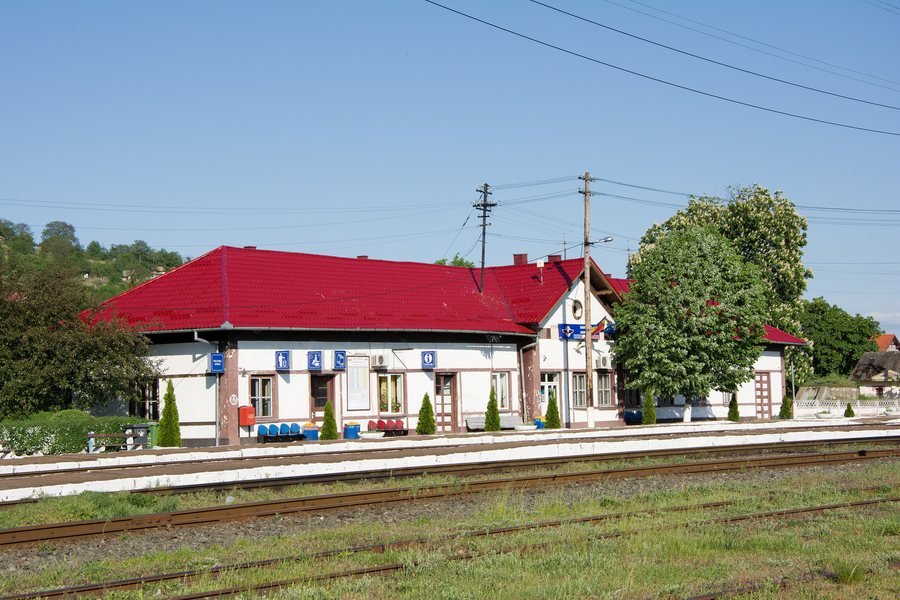
The Carei–Jibou railway line entered service in 1887; Şărmăşag subsequently developed into an important railway junction. This historical phase thus stands alongside the history of Conacul Kemény and the religious buildings, without conflating their different periods of origin.
The railway history forms a distinct focus within the history of the settlement. Those exploring Şărmăşag by topic can distinguish the railway junction chronologically from the later museum and renovation phases.
Museum
The ethnographic museum of Şărmăşag was approved in 2001, opened its doors in 2004 and was given rooms in Conacul Kemény. It displays more than 100 objects donated by villagers. Thus, the establishment of the institution and the local origin of its collection are closely connected.
Following renovations from 2006 to 2009, Conacul Kemény housed conference and event rooms, a library and an ethnographic exhibition.
Further destinations
Other places in this overview are Sânpetru Almașului, Bodia, Boghiş, Șimleu Silvaniei, Sâg, Meseșenii de Sus, Crasna and Rus.
Landscape
The municipality of Şărmăşag is located in the Dealurile Sălajului hilly region. Its hilly relief is largely uniform; ridges delimit the village area to the east through northeast. The landscape is therefore characterised both by its broader location in hilly terrain and by the specific boundaries of the village area.
For an understanding of Şărmăşag, the settlement’s history and the landscape can be considered separately: on the one hand are the churches, chapel, monument, Conacul Kemény, museum and railway; on the other hand is the uniform hilly relief with the ridges to the east through northeast.
For the broader travel overview: Salaj.

