
Videle: Churches, Valleys and Historical Traces
Accommodation in Videle
Videle combines historic churches, archaeological traces, two differently described valley areas, and public transport connections.
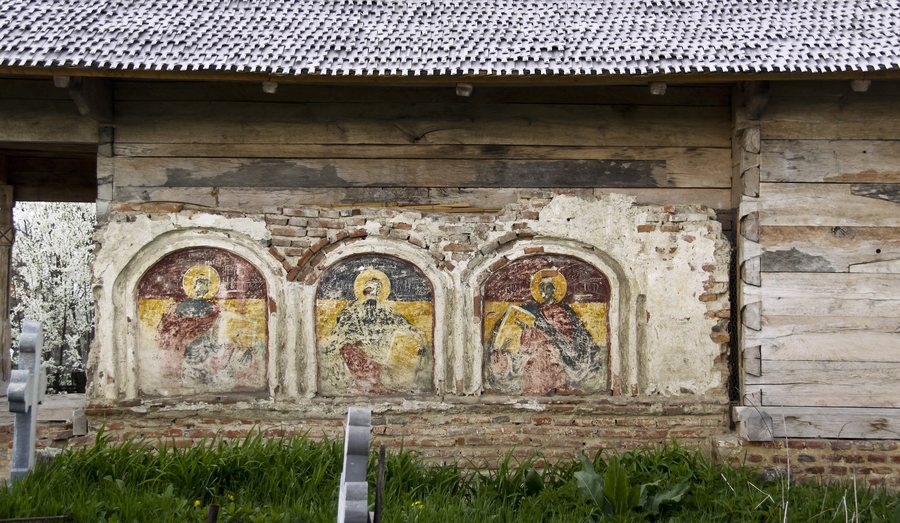 File:Videle Cartojani TR.bislemn.S tinda.jpg
Photo: Alexandru Baboş Albabos via Wikimedia Commons, CC BY 3.0
File:Videle Cartojani TR.bislemn.S tinda.jpg
Photo: Alexandru Baboş Albabos via Wikimedia Commons, CC BY 3.0
Key facts about Videle
Valea Glavaciocului and Valea Milcovăţului represent different aspects of the landscape. The religious heritage includes several churches; archaeological traces were discovered at the VID 001 site. The railway station and bus stops complement the public connections. Central Park is planned as a municipal project.
Valea Glavaciocului and Valea Milcovăţului
The Valea Glavaciocului valley is 35 km long on the Videle–Poieni section and is described as one of Videle's most important tourist destinations. The 35 km applies to the section between Videle and Poieni, not automatically to another route or the entire valley.
The Valea Milcovăţului valley features a landscape with Danubian Phragmites stands of the invasive species. It serves as a habitat for various animal species. In comparison with Valea Glavaciocului, the focus here is therefore not on a stated section length, but on the connection between vegetation and habitat.
Churches and Religious Sites in Videle
The old Cuvioasa Paraschiva Church, dating from 1759, stands in Videle's old cemetery.
The Biserica de lemn si zidărie “Cuvioasa Paraschiva” in Videle is a wooden and masonry church. Its architectural classification distinguishes it from the old church in the cemetery.
The renovated Biserica Sfinţii Trei Ierarhi features an architectural style considered unique in Teleorman County. It also includes a façade fresco and a large courtyard.
The Biserica Sfântul Andrei is located in the Fotăcheşti district and is considered a pilgrimage site.
Archaeological Traces from Different Periods
At the archaeological site “Situl arheologic de la Videle – VID 001,” pottery sherds from an undated prehistoric phase and from the Geto-Dacian La Tène period were discovered.
Railway Station and Public Connections
Videle has three bus stops used by transport companies. Public connections exist within Teleorman County as well as to Giurgiu, Bucharest, and neighboring towns.
Videle railway station was established in 1911, when the Videle–Giurgiu railway line began operating.
The Planned Central Park Project
A municipal modernization project is planned for Central Park in Videle for the period from May 26, 2026, to October 25, 2027. Three recreation and sports areas are planned for fitness, children's play, and multisport activities.
More local pages for comparison: Bogdana, Alexandria, Fântânele, Baciu, Islaz, Zimnicea, Turnu Măgurele, Mariţa.
FAQ
What was discovered at the VID 001 archaeological site?
Pottery sherds from an undated prehistoric phase and from the Geto-Dacian La Tène period were discovered.
What year does Videle railway station date from?
Videle railway station was established in 1911.
What areas are planned for Central Park?
Three recreation and sports areas are planned for fitness, children's play, and multisport activities. The municipal modernization project is designated as a planned project.
For the overarching travel overview: Teleorman.

