
Costeşti: Trails, Gorges and Culture
Accommodation in Costeşti
Trails
Buila-Vânturarița National Park lies within the territory of the municipality of Costeşti and the municipalities of Bărbătești and Băile Olănești in Vâlcea County. Its mountain landscape includes karst peaks, limestone ridges, caves, gorges, valleys, forests, mountain meadows and hay meadows; its flora and fauna are diverse.
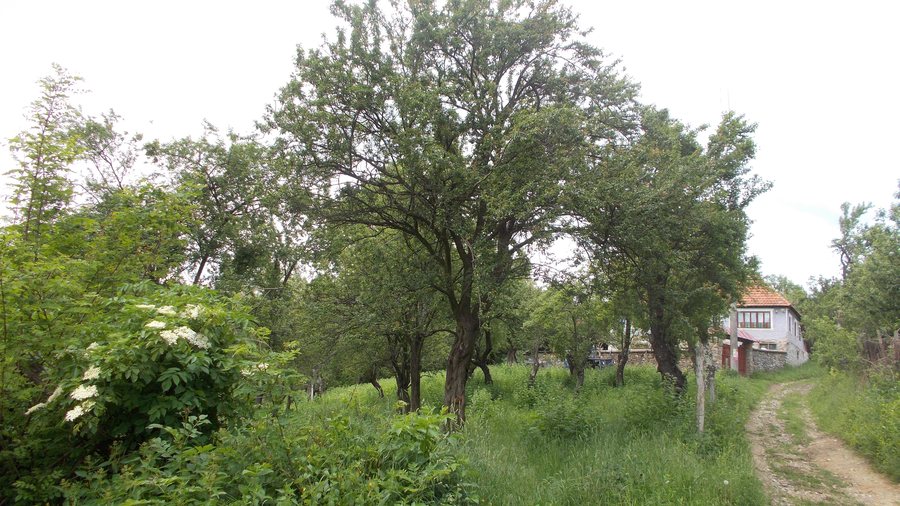
In the Buila-Vânturarița area, one route leads from Mănăstirea Bistrița via Cheile Bistriței, Între Râuri, Valea Cuca and Plaiul Zănoaga to Curmătura Rodeanu. Another route runs from the village of Pietreni via Cheile Costeşti, Cantonul Silvic Prislop, Plaiul Netedu, Vârful Netedu, Vârful Lespezi, Muntele Zănoaga and Vârful Govora to Şaua Zmeuret.
The route from Pietreni via Schitul Pătrunsa to Schitul Pahomie is considered a round trip with a walking time of eight hours. The sections are marked with a red triangle, blue dot and red cross. Different routes, trail lengths and markings make it easier to compare the options for planning your own day.
Nature
Muzeul Trovanților is an open-air geological museum at the foot of a sandstone quarry. It displays several irregularly shaped, spherical or ellipsoidal geological formations, known as trovanți, ranging in size from a few centimetres to several metres.
Muzeul Trovanților covers 1.10 hectares, was designated a protected area by Government Decision No. 1581 of 8 December 2005 and is incorporated into Buila-Vânturarița National Park. Cheile Costeştiului extends for approximately four kilometres along the Costeşti stream and has been designated a nature reserve.
Other places in this selection of destinations are Pietrișu, Curăturile, Blidari, Marița, Băile Olăneşti, Vaideeni, Malaia and Gura Văii.
Culture
Arnota Monastery can be reached from Costești: the route passes Mănăstirea Bistrița and climbs towards the Costești limestone quarry to an elevation of 840 metres. The present-day monastery church contains the tomb of Matei Basarab, who died on 9 April 1654.
Peștera Liliecilor can be reached in about 15 minutes via an easy path with railings behind Mănăstirea Bistrița; apart from light sources, no special equipment is required. The cave contains the small Ovidenia cave church from the 17th century, which is partly carved into the rock and partly built of masonry.
The route through Cheile Bistriței begins in the village of Bistrița at the gate of Mănăstirea Bistrița, where there is an information board and a signpost. Biserica 44 de Izvoare in Pietreni has been documented since 1701, and from there an unmarked path heading northwest leads to Cheile Costeștilor after about five minutes of ascent.
The wooden church of Grămești in Pietreni is dated to 1664 and is dedicated to „Adormirea Maicii Domnului“. The „Gheorghe D. Anghel“ Art Museum is located in the Constantin Popian Cultural Centre. The centrepiece of the museum is six masterpieces by Gh. D. Anghel.
For the higher-level travel overview: Vâlcea.

