
Issyk Kul: Lake, Mountains, and Travel Planning in Kyrgyzstan
Issyk Kul is one of Kyrgyzstan’s most important travel destinations, combining a vast lake with mountains, resort towns, and expansive landscapes. If you include Issyk Kul in your trip, first decide what role it should play in your itinerary: a starting point, part of a circuit, a city-based stay, a nature stop, or a longer visit. This creates a route that works well on the ground rather than simply ticking off a long list of place names.
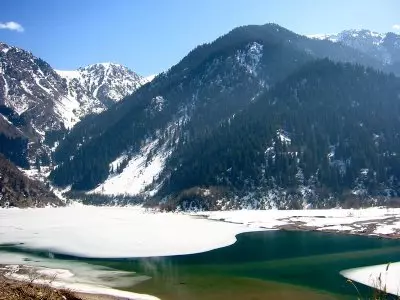 Bergsee mit schneebedeckten Bergen im Hintergrund.
Quick facts: Issyk Kul
- Issyk Kul lies in northeastern Kyrgyzstan, in a basin surrounded by mountains.
- Lakeside towns, beaches, spa traditions, valleys, and viewpoints each offer a different focus.
- The lake’s size makes a tightly packed circuit with too many daily stops impractical.
- Swimming, hiking, and driving days depend greatly on the season, weather, and road conditions.
- Bishkek can be combined with the lake as an arrival or departure stop.
- Check transport, accommodation, local regulations, and current safety information before your trip.
Overview and character of the destination
Lakeside towns, swimming areas, mountain panoramas, excursion destinations, and long drives all shape a stay at the lake. When planning, it is important to consider distances, season, transport, and specific onward destinations together. Long distances, transport connections, and seasonal conditions can significantly affect your itinerary.
Visitors should not underestimate the lake’s size and should choose accommodation locations to suit their planned route. Realistic planning means choosing a few fixed bases and leaving time for the journeys between them. This helps with arrival days, long bus or train rides, and in regions where the weather, season, or local holidays can change the day’s plans.
Cities, landscapes, and culture
Beaches, lakeside promenades, valleys, viewpoints, and cultural stops around the lake offer a range of travel experiences. A well-planned itinerary combines popular places with quieter stretches. Capital cities, old towns, museums, and markets provide a sense of place, while coasts, mountains, rivers, lakes, and spa towns change the pace and make a trip feel less crammed.
Issyk Kul is best enjoyed when relaxation by the water and mountain excursions are not packed too tightly together. It is especially helpful to give each day a clear focus. A museum, city neighborhood, viewpoint, or scenic stretch is more likely to stay in your memory than a schedule that squeezes too many stops into a short time.
Routes and combinations
The lake combines well with Bishkek, Osh, and other destinations in Kyrgyzstan or Central Asia. Kyrgyzstan Bishkek Central Asia The best combinations follow actual transport routes and connect nearby destinations with shared themes. A country overview can help you organize your options, but it does not replace checking specific routes, overnight stops, and seasonal connections.
Estimate driving times, road conditions, and return journeys realistically, especially on circuits with several stops. For a round trip, two to four carefully chosen bases are often more comfortable than changing locations every day. From these bases, you can better combine excursions, city visits, and nature destinations. If you are traveling by car, consider parking and road quality; on buses and trains, frequency, transfers, and return services matter more than the straight-line distance.
When to go and practical tips
Summer is well suited to beach stays, while spring and autumn are quieter and depend more on the weather and altitude. Spring and autumn are often good for city visits, round trips, and outdoor activities. Summer is especially suitable for coasts, lakes, long evenings, and mountain regions, but it can put greater pressure on accommodation and transport. In winter, short outings, museums, cafés, thermal baths, and ski resorts become more important.
Before booking, check current entry requirements, timetables, opening hours, public holidays, local regulations, and weather conditions. For border regions, national parks, islands, mountain routes, and historic sites, it is worth checking again shortly before departure. Leaving some flexibility in your daily schedule is not wasted time; it makes spontaneous discoveries and breaks possible. At Issyk Kul, match your accommodation location to the main daily journeys and allow realistic breaks.
Issyk Kul between lake and mountains
Issyk Kul is one of Kyrgyzstan’s main travel regions, combining a vast high-mountain lake with towns, beaches, hot springs, valleys, and excursions into the mountains. The season, lakeshore area, transport, and whether relaxation or a circuit is your priority all matter when planning.
If you combine several stops around the lake, estimate distances and road conditions realistically. This lets you experience Issyk Kul as a destination in its own right while also combining it easily with Bishkek or other regions of Kyrgyzstan.
Choose your route around Issyk Kul according to the lakeshore area, length of stay, and the focus you want. Bishkek can serve as an arrival or departure stop, while the lake itself brings together relaxation, mountain scenery, and longer drives. Kyrgyzstan and Central Asia provide the regional context; because of lakeside routes, mountain passes, and travel times, Issyk Kul should not be treated as just any brief stopover. Additional information about Kyrgyzstan and Central Asia can help with specific preparations.
When choosing where to stay, consider access to the water, excursions, amenities, road conditions, and the return journey together. Weather and season can affect swimming, hiking, and driving days in different ways. Before traveling, check the latest information on getting there and transport, travel preparation, and staying safe while traveling. A clear main focus with time to spare is more reliable than a tightly packed circuit around the entire lake.
Practical trip planning
Issyk Kul is ideal for travelers who want to combine a lakeside holiday, mountain scenery, and travel routes through Central Asia. Once you have chosen your priorities, you can bring together popular places, regional culture, and quieter stretches in a way that suits your trip. This makes it easier to balance your time, interests, and distances.
Combining lakeside towns, mountains, and travel times
At Issyk Kul, first decide whether swimming, scenery, culture, or an excursion into a side valley is your main priority. Lakeside towns and beaches pair well with walks; mountain valleys and viewpoints require their own driving time and weather contingency. Given the lake’s size, choosing a clear focus is usually more relaxing than planning a packed itinerary around the entire shore.
The Kyrgyzstan overview and Central Asia put the lake in its regional context. Bishkek works well as a city stop, while Kazakhstan and Uzbekistan offer different landscapes and cultural experiences. For nature and water destinations, see Nature and landscapes, Getting there and transport, and Travel preparation.
The latest country information on Kyrgyzstan from the German Federal Foreign Office provides additional context about the natural region. Before booking, check roads, weather, accommodation, amenities, excursion providers, and return transport for your specific travel dates.
Frequently asked questions about Issyk Kul
What is Issyk Kul known for?
The lake is known for its mountain scenery, lakeside towns, beaches, spa traditions, and excursions into the surrounding valleys.
How much time should I allow?
Several days allow time for a lakeside town, relaxation, and an excursion. If you plan a longer circuit, allow plenty of time for driving and return journeys.
Can I combine the lake with Bishkek?
Yes. Bishkek works well as a city stop before or after your stay at the lake. Check current transfer options, road conditions, and accommodation arrangements.
When is a good time to visit?
It depends on your priorities. Plan swimming, hiking, and cultural activities around the season, weather, daylight hours, and road conditions.
