
Uzbekistan: Samarkand, Bukhara, Khiva and Tashkent
Accommodation in Uzbekistan
Uzbekistan is an important destination in Central Asia, best known for its historic cities along the Silk Roads. Samarkand, Bukhara, Khiva and Tashkent differ considerably in their urban character, size, atmosphere and travel logistics. So if you want to visit them all, don’t just make a list of sights—plan your route, transport, length of stay and rest days together.
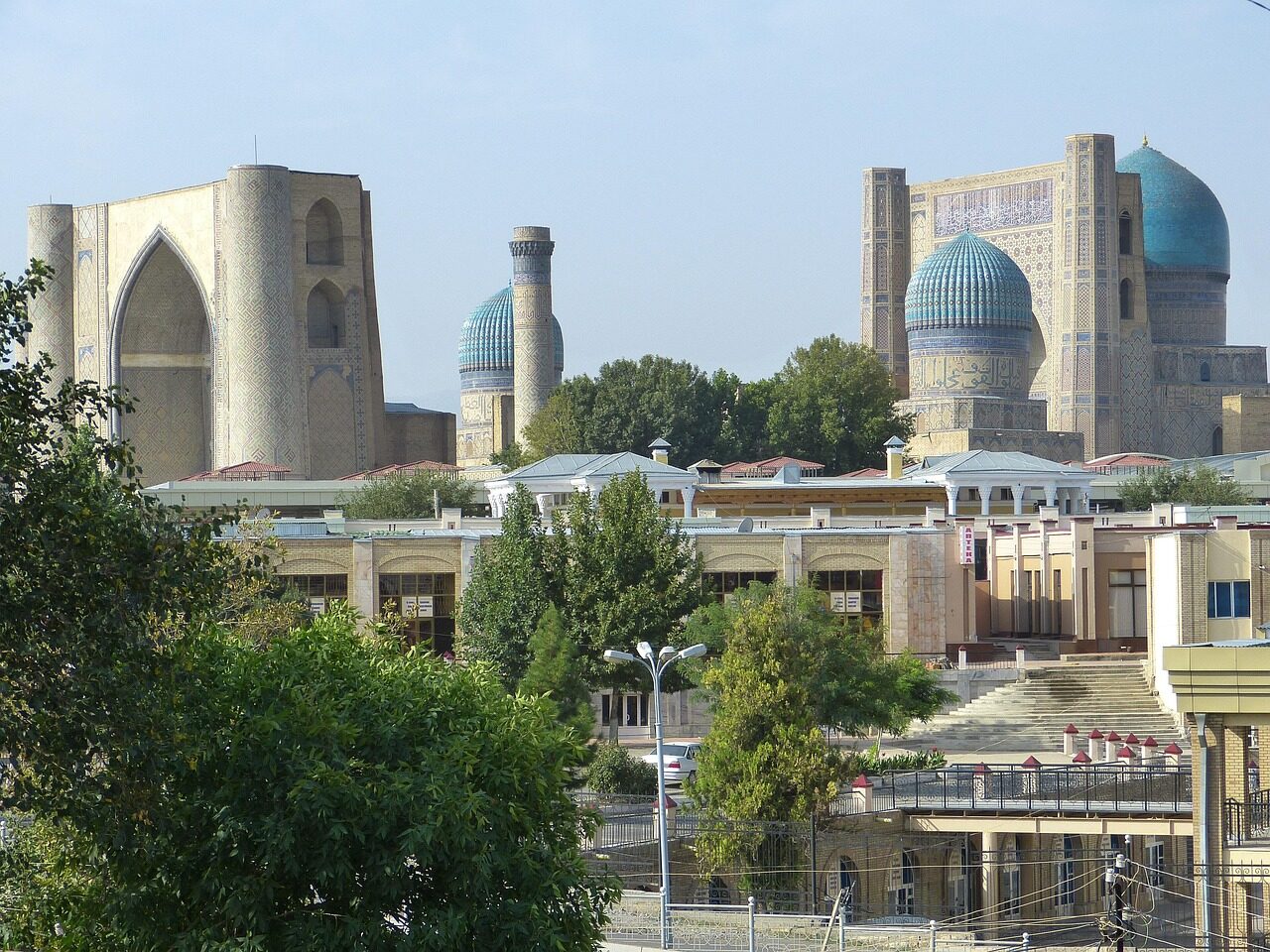 Samarkand
Photo: LoggaWiggler from Pixabay
Samarkand
Photo: LoggaWiggler from Pixabay
The long distances between cities make careful preparation especially worthwhile. Rail connections, domestic travel, accommodation locations and climate conditions can shape the pace of each day. For current entry and safety advice, the official collection of the German Federal Foreign Office is an important resource. You can also learn more about the international history of these trade routes through the UNESCO Silk Roads Programme.
Uzbekistan at a glance
- Tashkent is a modern capital and the main arrival or departure point for many trips.
- Samarkand is known for its monumental squares and buildings, and for its history during the Timurid era.
- Bukhara combines an old town, religious architecture, bazaars and a long history.
- Khiva has a particularly compact historic centre that is easy to explore on foot.
- Spring and autumn are often pleasant seasons for touring, but heat and winter cold still need to be taken into account.
- A few well-chosen bases with enough time to explore are usually better than changing locations every day.
Tashkent: arrival and onward travel
Tashkent feels different from the historic oasis cities. Wide streets, modern neighbourhoods, museums, markets and various forms of transport shape a stay here. The capital is therefore a good place for a first day of orientation or a longer stop. If you continue your journey as soon as you arrive, allow some extra time so delays, luggage and unfamiliar surroundings don’t throw your entire itinerary off course.
When choosing accommodation, consider convenient access to the train station, airport, metro or your planned destination for the day. A central location can make sightseeing easier, while somewhere quieter may be more comfortable for a longer stay. It’s best to check opening hours, public holidays and local rules with the venues or official sources shortly before your visit. This helps put older travel information into the right context.
Samarkand and its great monuments
Samarkand is known for its monumental architecture and central role in the history of Central Asia. The Registan, Bibi-Khanym Mosque, Gur-e-Amir Mausoleum and Ulugh Beg Observatory are often visited together. It’s worth resisting the temptation to squeeze every sight into one short outing. The morning and evening light, the heat, walking distances and time for explanations can shape the experience more than the number of attractions checked off.
A stay is more varied when grand squares are balanced with smaller streets, markets and breaks. At religious sites, visitors should be mindful of dress, behaviour and any access guidance. Restoration work, events and visitor rules may change, so current information on site takes precedence over older descriptions.
Bukhara and Khiva
Bukhara is ideal for longer walks through historic neighbourhoods, past madrasas, mosques, domed bazaars and squares. Distances in the centre are often manageable, but the heat and uneven paths make breaks worthwhile. An early start can make sightseeing more pleasant. The afternoon leaves time for museums, crafts, tea or a more leisurely walk.
Khiva is often visited for its enclosed historic old town. Its compact layout makes it easy to connect several buildings on foot. Even so, the city should be more than just a backdrop. Explanations of trade routes, rulers, religion and crafts help put the buildings in context. In hot weather, shade, water and splitting up the day are essential.
Routes, trains and practicalities
The classic route often runs through Tashkent, Samarkand, Bukhara and Khiva. The best order depends on available connections, your arrival point, the time of year and your preferred pace. For broader context, see the information on Central Asia; Tajikistan offers a distinct focus for a longer trip through Central Asia and requires separate planning for each leg. Add extra stops only if they can be reached without unnecessary detours. Transition days between major sightseeing stops aren’t wasted time—they help prevent an overloaded schedule.
When travelling by train, check tickets, departure stations, luggage arrangements and connections carefully. On bus or car journeys, road conditions, stops and actual travel times can differ significantly from what the map suggests. If you’re travelling with others, agree on accommodation, meeting points and transport before each change of location. This makes the trip easier to plan without taking away its flexibility.
Climate, clothing and preparation
Spring and autumn are popular for city breaks and tours, as long outdoor visits can be more comfortable then. In summer, heat and sunshine can shape the day’s schedule. In winter, plan for cooler temperatures and shorter days. These general patterns are no substitute for checking the specific forecast. Lightweight, appropriate clothing, sun protection, water and comfortable shoes are useful for many sightseeing visits.
Before departure, add your passport, entry requirements, insurance, payment options, medication and communication arrangements to your personal checklist. Respect local rules at mosques, mausoleums and other religious sites. Photography may not be permitted everywhere. If you visit markets, make time to browse at a relaxed pace and bargain considerately, without treating people’s everyday lives as mere scenery.
Planning the historic route sensibly
Tashkent works well as a modern capital and as the logistical start or end of a trip. Samarkand is known for its monumental squares, mausoleums and the history of Central Asian empires. Bukhara makes more of an impression through its old town, religious buildings and traditional urban layout, while Khiva offers a particularly concentrated stop in the walled old town of Itchan Kala.
Don’t plan the four cities as a daily sequence with no time in reserve. For each transfer, allow for travel time, luggage, check-in, rest and the location of your accommodation. If you’re considering an excursion to Termez or the arrival hub of Urgench, treat it as a separate leg of the trip. Visit markets, mosques and madrasas in appropriate clothing and with consideration for others; opening hours and access may vary.
The official tourism website of Uzbekistan can help with your preparations. The UNESCO Silk Roads Programme is a useful reference for the historical context of the trade routes. Before booking, also check current entry, safety and transport information with the relevant authorities.
Uzbekistan FAQ
Which cities are part of a classic route?
Tashkent, Samarkand, Bukhara and Khiva are often visited together. Choose your itinerary based on the time available, transport, entry arrangements and your preferred pace.
How much time should you allow between cities?
Allow enough time between transfers. This makes journeys, luggage, check-in and unexpected changes easier to manage. Changing cities every day can quickly make a cultural trip unnecessarily tiring.
What should you keep in mind at historic and religious sites?
Appropriate clothing, respectful behaviour, current access rules and consideration for people at prayer are all part of being prepared. Check opening hours and restoration work directly before your visit.
Uzbekistan rewards travellers who plan a route that brings together architecture, history, markets and the journeys between them. If you do more than simply tick off the major cities and give each one enough time at a suitable pace, you’ll experience the Silk Roads region far more fully.
