
Islands of St. Petersburg: Water, Bridges, and Neighborhoods
St. Petersburg is shaped by water, islands, and bridges. To understand the city, it helps to know where its main islands are located.
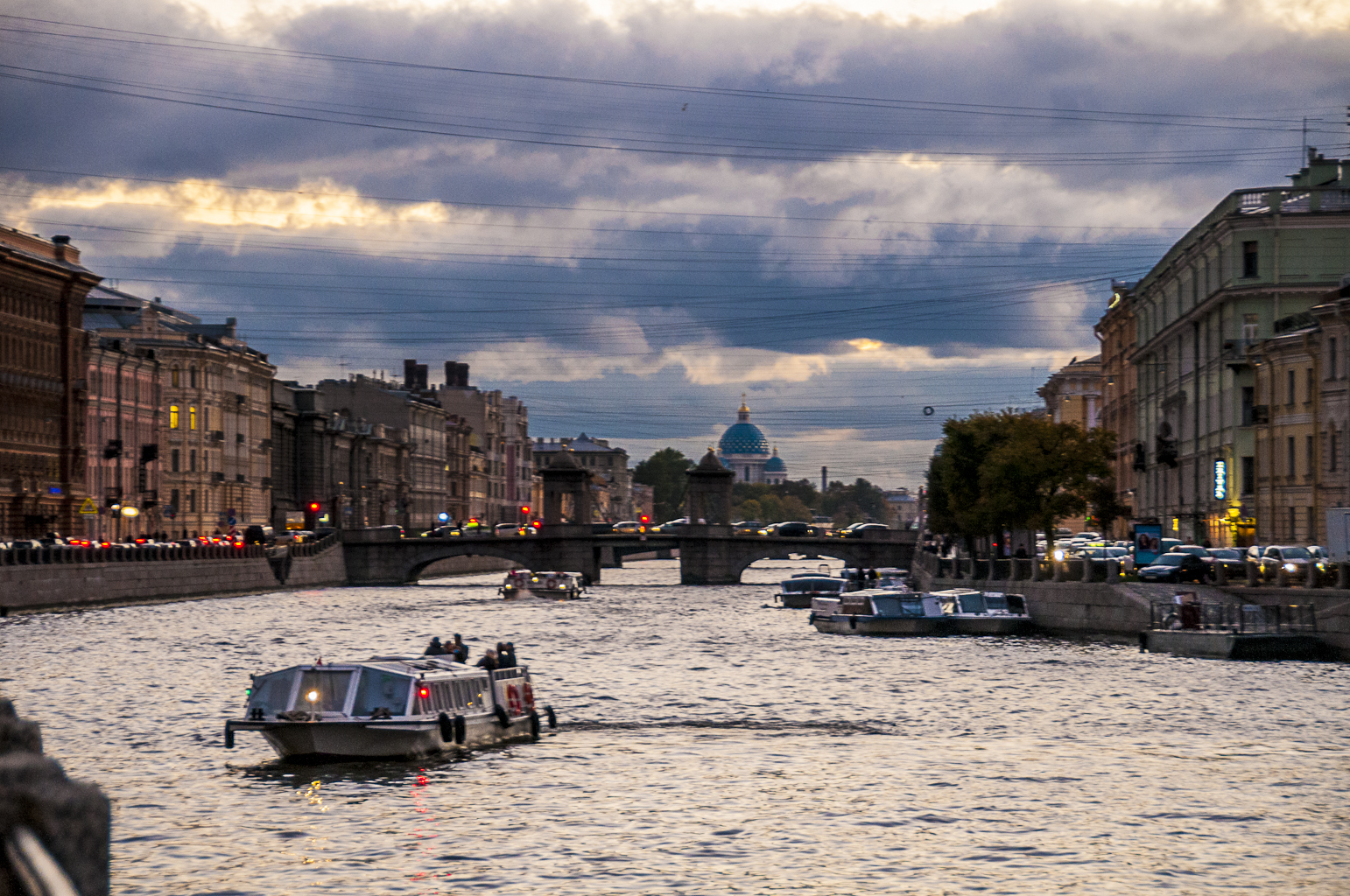 Stadtansicht von Sankt Petersburg mit Wasserweg, historischer Bebauung und Booten.
Photo: Alesia Belaya
Stadtansicht von Sankt Petersburg mit Wasserweg, historischer Bebauung und Booten.
Photo: Alesia Belaya
The branches of the Neva, canals, waterfront promenades, bridges, historic neighborhoods, and distinct cityscapes bring the island layout into view.
Quick facts: Islands of St. Petersburg
- St. Petersburg lies in an urban landscape shaped by branches of the Neva, canals, and islands.
- Vasilyevsky Island and the Petrograd Side represent different cityscapes and routes.
- Bridges, traffic, metro access, and seasonal openings can affect how much time you need.
- Waterfront walks and photo stops depend on the weather and time of day.
- Museums, theaters, and timed admission slots can be combined with flexible walking routes.
- Check the latest traffic, safety, and access information before your trip.
Planning your visit
For visitors, the most important things to consider are routes across bridges, viewpoints by the water, metro stations, and connections to museums, parks, and squares.
The islands of St. Petersburg should not be treated as a single must-see attraction. It makes more sense to plan around routes, time of day, breaks, and the location of your next stop. In a large city, it helps to combine several nearby places in one day rather than trying to fit far-apart destinations into the same time slot.
Planning on site
Before setting out to explore the islands of St. Petersburg, check a map, metro stations, walking routes, and possible wait times. For museums, theaters, train stations, and busy squares, check the latest information directly with the relevant venue or on site. Prices, closures, and access rules can change.
If you have limited time, it is better to choose one clear focus: a walk, a museum visit, an evening at the theater, a photo stop, or a short orientation tour. This keeps your visit manageable and makes it easier to fit in a meal, the return journey, or another activity. For the islands of St. Petersburg, plan indoor visits, access, and travel between stops separately.
Connections to other destinations
The islands pair well with the White Nights, Nevsky Prospekt, Palace Square, and the city’s curious details.
For further planning, explore these related pages: White Nights in St. Petersburg Nevsky Prospekt Curious St. Petersburg. These connections can help you plan realistic routes within the city and between individual stops.
Practical tips
When exploring the islands of St. Petersburg, comfortable shoes, weatherproof clothing, and a time buffer are more important than an overpacked itinerary. In St. Petersburg and Moscow, distances can look short on a map but take longer because of traffic, security checks, bridges, metro access, or crowds.
Plan photos and short breaks where the view is open and you won’t block the route. Keep your reservation or admission ticket handy until you leave a cultural venue. If you’re out in the evening, check your route back to your accommodation in advance. For the islands of St. Petersburg, match the location of your accommodation to your main routes for the day and allow time for realistic breaks.
Choose which islands of St. Petersburg to visit based on your route
The island layout of St. Petersburg is easier to understand when you plan your trip around neighborhoods and bridges rather than individual names alone. Vasilyevsky Island, the Petrograd Side, the canals, and the waterfront areas each offer a different cityscape. For a short visit, choose one continuous route; visiting several islands in one day takes extra time for bridges, traffic, and transfers.
Before finalizing your plans, check current traffic conditions, possible bridge openings, museum hours, and your return route. Waterfront walks are weather-dependent, and not every connection is equally convenient on foot. Nevsky Prospekt, Palace Square, and cultural venues can be added if you plan the order around their locations and any fixed admission times.
If you want to see bridges and waterfront areas, plan your route around the time of day and your return journey. Night travel, weather, and seasonal restrictions can affect your plans. For museums and other timed activities, choose a route with short distances; flexible waterfront walks can fill the adaptable part of your day.
Plan your route around neighborhoods, bridges, and waterfront walks rather than trying to fit in the longest possible list of places on the islands of St. Petersburg. Nevsky Prospekt, Palace Square, and the White Nights offer different experiences and should only be combined if you allow enough time to travel between them. Add special city sights based on their location and the time you actually have available.
Before finalizing your day’s route, check getting around and transport, travel preparation, the weather, possible bridge openings, and your return journey. For museums and other cultural destinations, culture and history can help you choose what to focus on, but any additional activity still needs its own time slot. One continuous island route with breaks is usually more practical than making several short trips across the city.
Conclusion
The islands of St. Petersburg are most enjoyable when you don’t try to fit in too much. With a clear route, up-to-date information on important details, and enough time for transfers, you can better understand the area and enjoy a more relaxed visit as part of a trip to Russia.
Explore islands, bridges, and waterfront walks
St. Petersburg is shaped by branches of the Neva, canals, islands, and bridges. Visit Petersburg offers additional local orientation; check specific opening times, routes, and access arrangements before each visit. The island layout is easiest to explore on one continuous route with a few clear highlights.
You can combine an island route with Nevsky Prospekt, Palace Square, the White Nights, and special city sights, but each works best at a different time of day. Vasilyevsky Island, the Petrograd Side, and the central waterfront areas should not be treated as interchangeable quick stops.
For indoor visits, museums in St. Petersburg, the Hermitage, and the Mariinsky Theatre suit different interests. Schedule a museum or theater with a fixed time first; leave flexible walks by the water as the adaptable part of the day. Bridge openings, weather, metro travel, wait times, and your return journey can all affect your plans.
Before finalizing your plans, check getting around and transport, travel preparation, the location of your accommodation, daylight hours, and current safety information. The travel advice from the German Federal Foreign Office is authoritative when making travel decisions. Comfortable shoes, weather protection, a time buffer, and a reliable way back are more important than trying to visit as many islands as possible.
FAQ about the islands of St. Petersburg
Why does St. Petersburg have so many islands?
Branches of the Neva, canals, and waterways shape the urban landscape and influence its neighborhoods, bridges, waterfront walks, and transport connections.
Which islands are important for visitors?
Vasilyevsky Island and the Petrograd Side are important points of reference. The best choice depends on your route, museum plans, accommodation, and time of day.
Can you see islands and bridges in one day?
Yes, if you follow one continuous route. Allow realistic time for bridges, traffic, weather, wait times, and possible bridge openings.
What should you check before an evening route?
Before setting out, confirm current bridge and traffic conditions, the weather, your return route, access to any timed activities, and the safety situation.
