
Quirky Saint Petersburg: Courtyards, Canals and Unusual Places
Saint Petersburg is known for the Hermitage, its palaces and broad avenues, but it also surprises visitors with courtyards, canals, bridges, unusual museums and small details of the city’s history. The official Saint Petersburg tourism portal offers current information about events and attractions. For historical context on the cityscape, the UNESCO description of the historic centre is a reliable resource. Quirky places are best seen as a complement to the major sights, not as promises of unverified “hidden gems.”
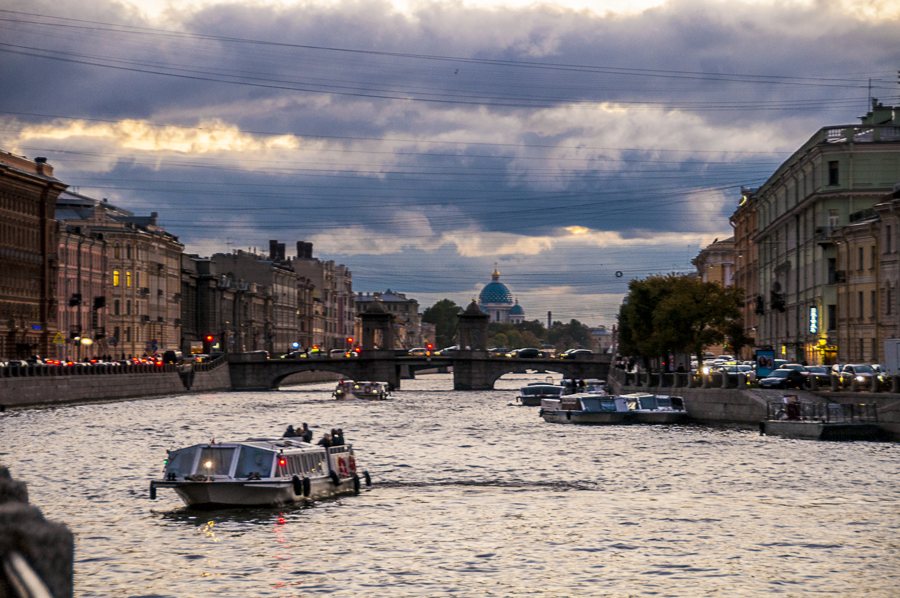 Tour boats pass beneath a bridge on a canal lined with historic buildings in Saint Petersburg.
Photo: Alesia Belaya
Tour boats pass beneath a bridge on a canal lined with historic buildings in Saint Petersburg.
Photo: Alesia Belaya
Quick facts: Quirky Saint Petersburg
- Courtyards, side streets, canals and bridges offer unusual views of Saint Petersburg.
- Private courtyards and areas that are not open to the public should be respected.
- Islands, waterways and bridges that may be open or closed can significantly lengthen journeys.
- Specialist museums and unusual collections are chosen with opening hours, access and time needed in mind.
- White Nights, winter, weather and daylight all affect the pace of a walk.
- Check current opening hours, transport, access and travel conditions before visiting.
- The most unusual impressions often come from courtyards, side streets and the crossings between islands.
- Canals and bridges shape routes, perspectives and the day’s itinerary more than an ordinary map might suggest.
- Specialist museums may be worth setting aside a whole block of time for, even if they are less well known.
- White Nights, winter and changing bridge-opening times can alter the course of a walk.
- Some historic sites can only be visited on a guided tour, at certain times or from the outside.
- Check current opening hours, transport, access and travel conditions before visiting.
Courtyards, canals and unusual perspectives
Many surprising impressions are not found at a single landmark, but in the combination of street, courtyard and water. Behind grand façades there may be leafy courtyards, former service areas or unusual passageways. Not every courtyard is open to the public, so private areas should be respected. For a walk, it is better to plan a route through one neighbourhood with a few clear stops than to hunt for a supposedly secret entrance.
The canals make Saint Petersburg especially photogenic, but they can also make it harder to find your way around. A short distance on the map may take longer because of bridges, one-way streets and islands. The city overview can help put things in context. Those visiting museums in Saint Petersburg can combine a lesser-known interior or a small specialist museum with a walk by the water.
Bridges, islands and city life
The major bridges over the Neva and its branches are engineering structures, viewpoints and part of everyday transport. During the brighter months, the bridges opening often becomes a nighttime spectacle in its own right. Check current timings, traffic arrangements and whether crossing is actually feasible; an old travel account is no substitute for an up-to-date timetable. Waiting on the wrong side of the river can make a planned return journey considerably longer.
The islands and northern neighbourhoods have a different scale from the city centre. Parks, former factory sites, university areas and residential streets can be linked into a city walk if you have enough time. Peterhof and Palace Square are historic destinations in their own right and should not be treated as quick quirky detours.
Specialist museums and remarkable stories
Alongside the Hermitage and the Russian Museum, there are collections devoted to printing, transport, literature, music, medicine, wax figures and individual professions. A specialist museum is especially rewarding if its subject has personal relevance to you. Before visiting, check the language, opening hours, admission fees and location. Some venues are small and quick to see; others tell their stories in such detail that there is hardly any time left for other sights.
Churches, homes and monuments can also reveal unusual stories. It is worth distinguishing historical information from tourist staging. Quirky Moscow offers a comparison with another Russian metropolis; Kraków and Prague are other cities whose courtyards, cellars and urban histories have developed in different ways.
Seasonal and practical planning
In summer, long outdoor walks, canal trips and nighttime views of the bridges are possible, but crowds and demand for accommodation also increase. In winter, museums, cafés and short connections become more important; snow, ice and short days call for extra time. If you have limited mobility, check bridges, stairs and underground access in advance. Choosing one main neighbourhood with two or three special stops is usually more enjoyable than constantly crossing the city as part of a packed itinerary.
Official advice takes priority in the event of current security or travel restrictions. Historical accounts of night trips, open interiors or particular events should not be taken as a guarantee that they are available now. Pulkovo Airport is covered separately when planning arrival and departure.
Discover courtyards, canals and unusual perspectives
Many memorable impressions come from the combination of street, courtyard and water. A walk through one neighbourhood is a more dependable plan than a long list of supposed hidden gems: some courtyards are private, and some passageways are only open at certain times. Plan around public routes, consideration for residents and clear stops along the way.
Saint Petersburg brings together the Hermitage, Peterhof and Palace Square as distinct highlights. Factor in the city’s railway stations and arrival and transport when travelling longer distances. Moscow is not a quick add-on to a tightly scheduled city tour.
For cultural and indoor activities, see Culture and history, Museums and exhibitions, Preparing for your trip and Travel checklist and itinerary. The UNESCO description of the historic centre provides additional historical context. Check opening hours, bridge schedules, transport and current travel advice for your dates.
FAQ: Quirky places in Saint Petersburg
What might surprise you in Saint Petersburg?
Courtyards, canals, bridges, side streets, specialist museums and historical details complement the well-known palaces and major collections.
Are hidden courtyards open to the public?
Not necessarily. Respect private areas, locked passageways and local rules; plan only around confirmed public access.
How do bridges affect a walk?
Waterways and raised bridges can affect your return journey or your route between islands. Check the current situation before taking a late walk.
How many unusual places can you visit in one day?
A few easily reached stops leave more time for travel, opening hours, photo breaks and spontaneous changes than trying to fit in the longest possible list.
